Rider-Waite tarot: the 1909 deck and its 78 scenes
The Rider-Waite is the deck of drawn scenes: each card tells a situation you can read at a glance.
By Thomas Guilhot · updated
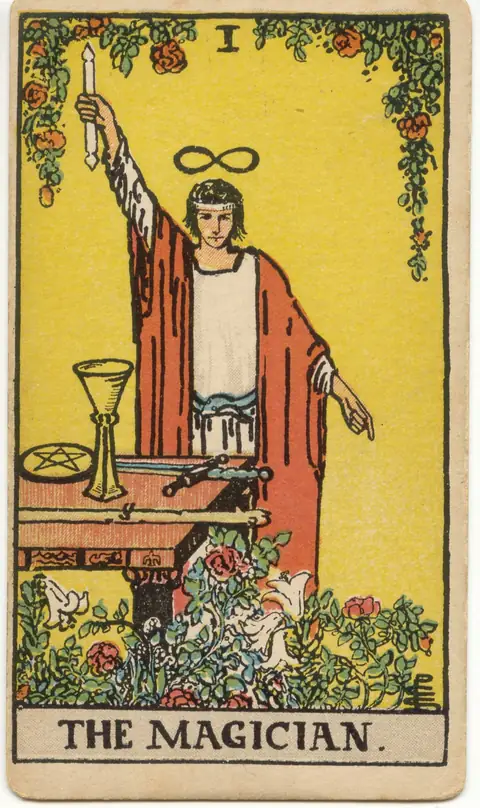
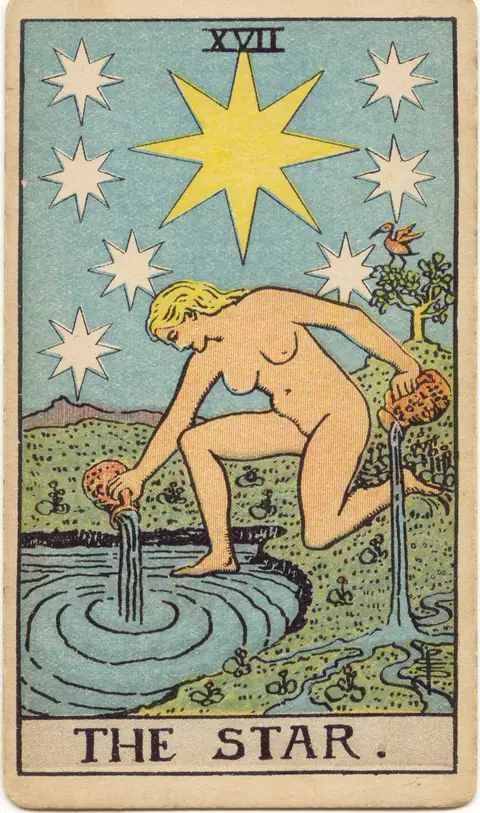
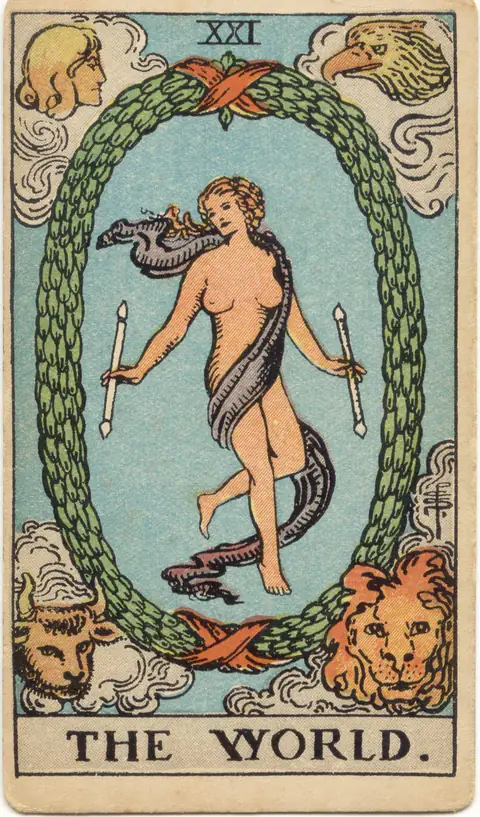
Rider-Waite at a glance
A deck of drawn scenes, where each card tells a situation you can describe before interpreting it.
- Published
- London, 1909
- Drawings
- Pamela Colman Smith
- Illustrated cards
- 78 scenes
- Reversals
- Commonly read
By Thomas Guilhot · updated
The 78 scenes
Seventy-eight cards: twenty-two Major Arcana and four suits of fourteen cards, each accompanied by a scene to describe.
- The Magician
- The High Priestess
- The Empress
- The Emperor
- The Hierophant
- The Lovers
- The Chariot
- Justice
- The Hermit
- Wheel of Fortune
- Strength
- The Hanged Man
- Death
- Temperance
- The Devil
- The Tower
- The Star
- The Moon
- The Sun
- Judgement
- The World
- The Fool
- Ace of Wands
- Two of Wands
- Three of Wands
- Four of Wands
- Five of Wands
- Six of Wands
- Seven of Wands
- Eight of Wands
- Nine of Wands
- Ten of Wands
- Page of Wands
- Knight of Wands
- Queen of Wands
- King of Wands
- Ace of Cups
- Two of Cups
- Three of Cups
- Four of Cups
- Five of Cups
- Six of Cups
- Seven of Cups
- Eight of Cups
- Nine of Cups
- Ten of Cups
- Page of Cups
- Knight of Cups
- Queen of Cups
- King of Cups
- Ace of Swords
- Two of Swords
- Three of Swords
- Four of Swords
- Five of Swords
- Six of Swords
- Seven of Swords
- Eight of Swords
- Nine of Swords
- Ten of Swords
- Page of Swords
- Knight of Swords
- Queen of Swords
- King of Swords
- Ace of Pentacles
- Two of Pentacles
- Three of Pentacles
- Four of Pentacles
- Five of Pentacles
- Six of Pentacles
- Seven of Pentacles
- Eight of Pentacles
- Nine of Pentacles
- Ten of Pentacles
- Page of Pentacles
- Knight of Pentacles
- Queen of Pentacles
- King of Pentacles
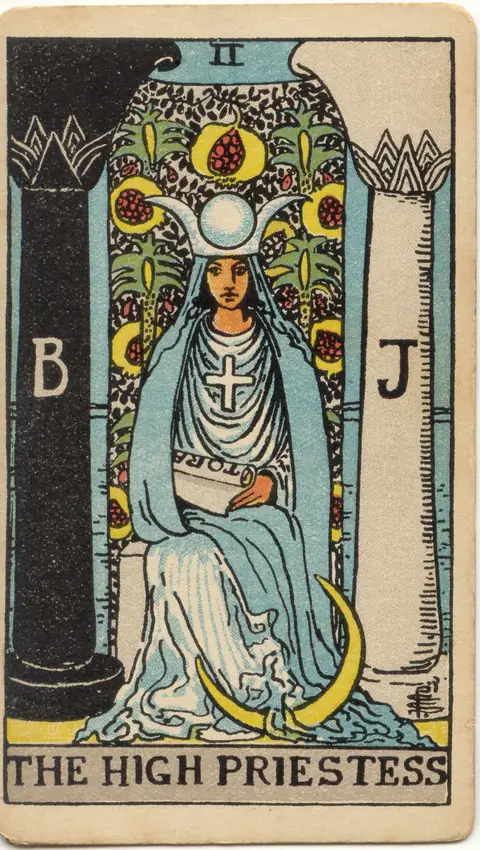
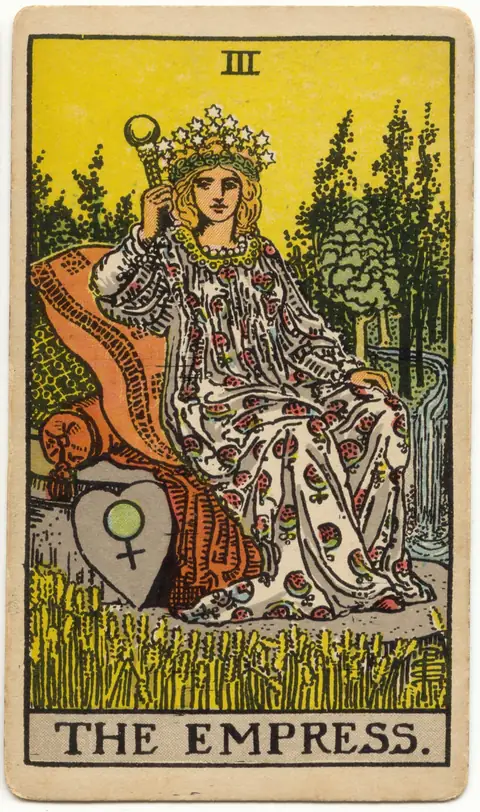
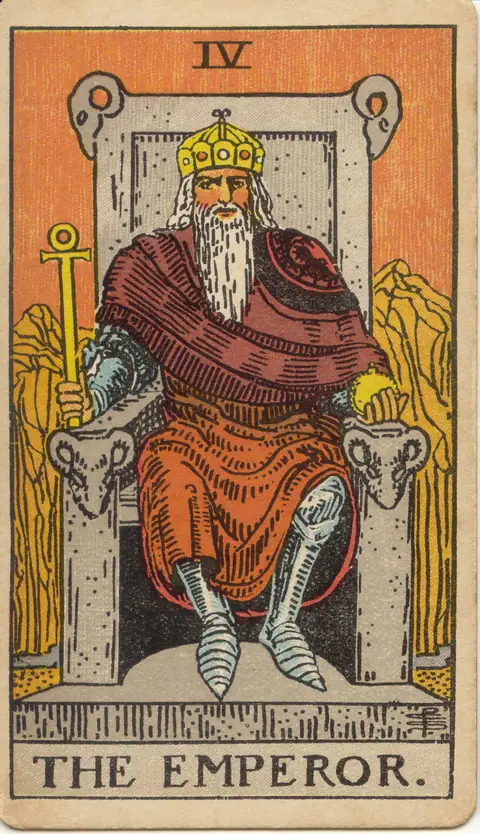
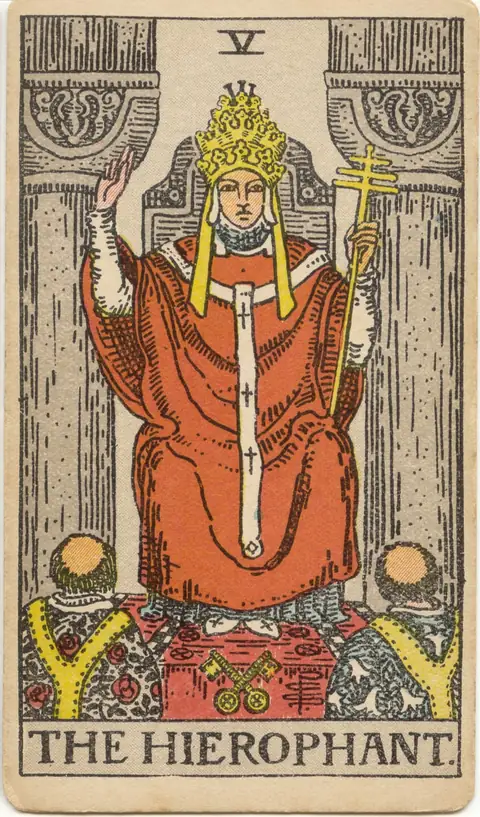
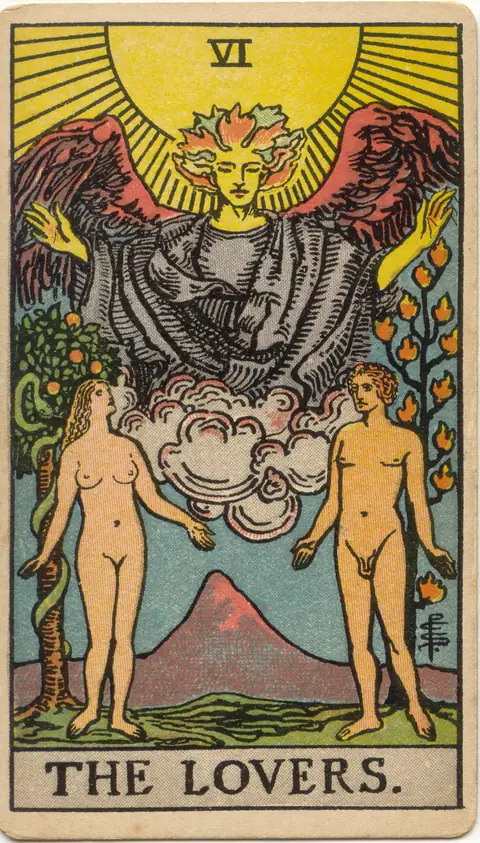
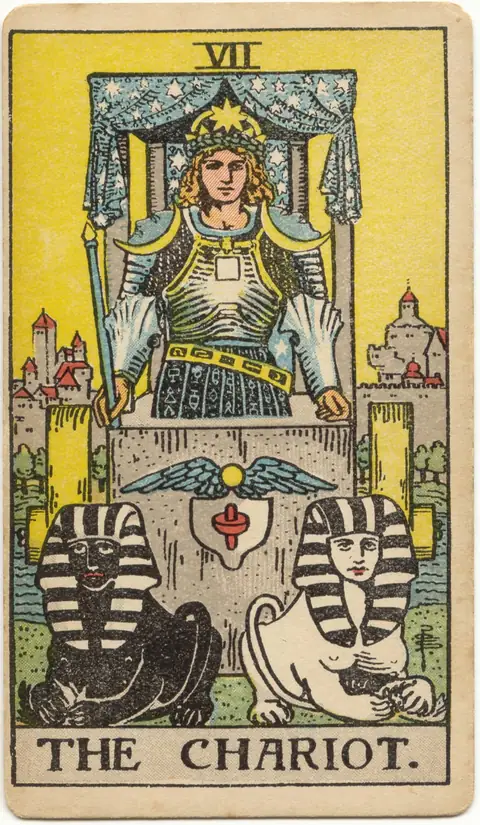
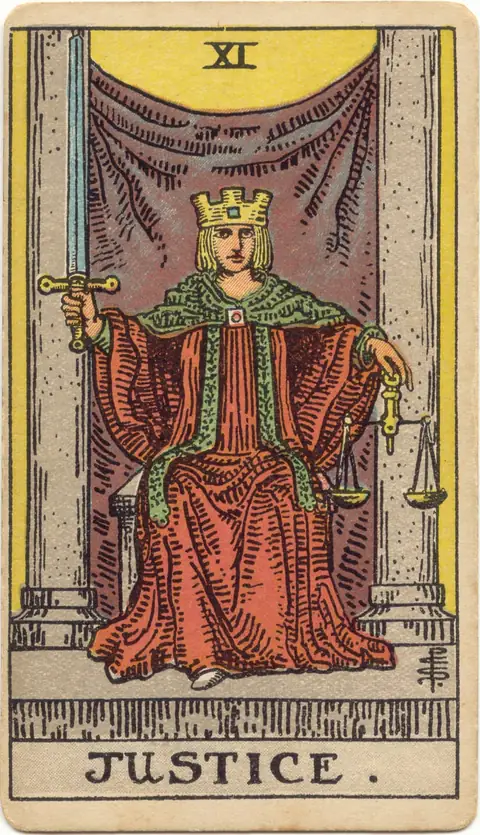
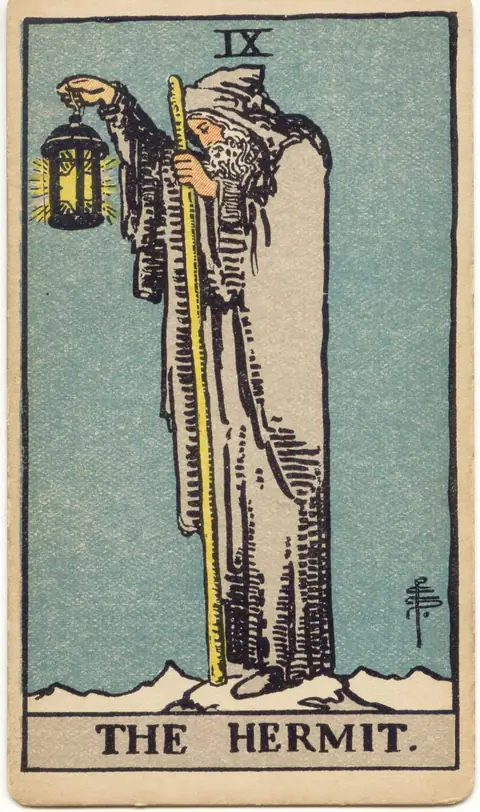
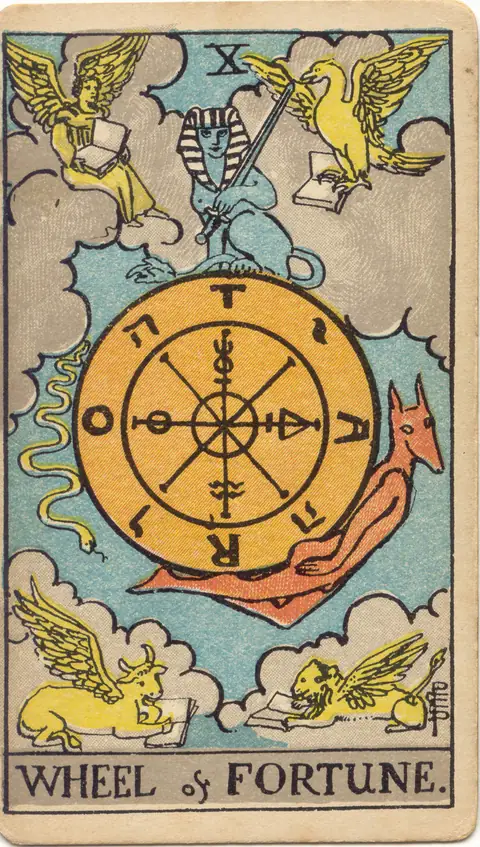
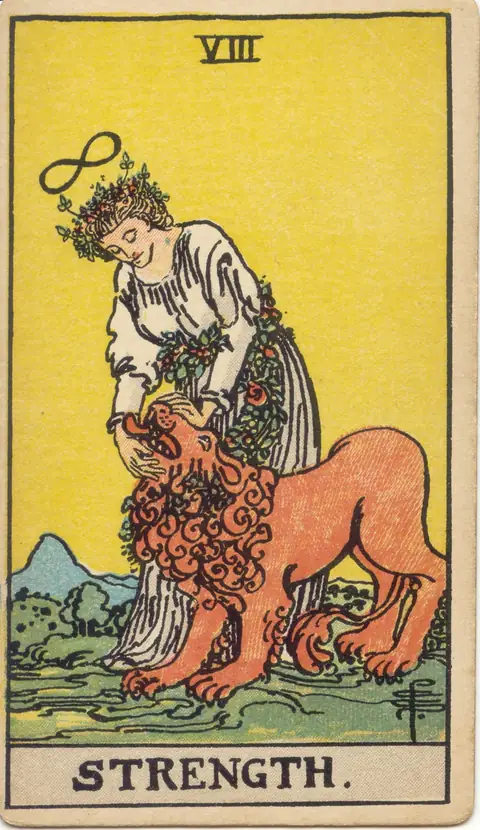
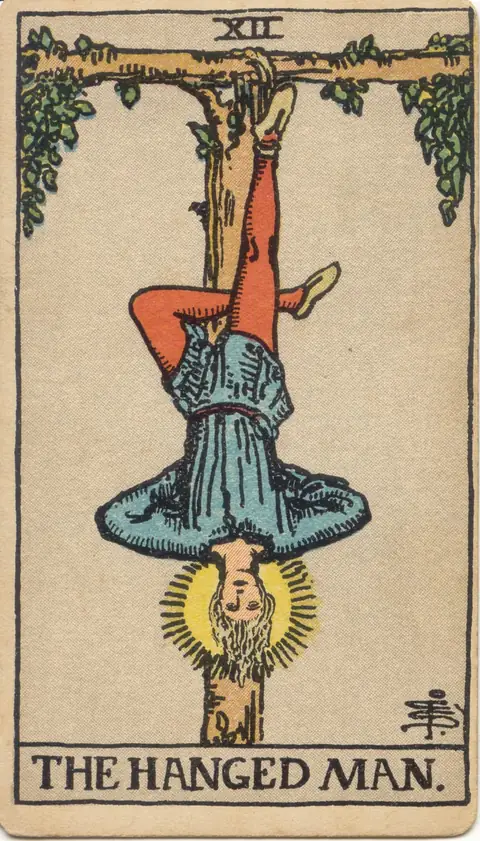
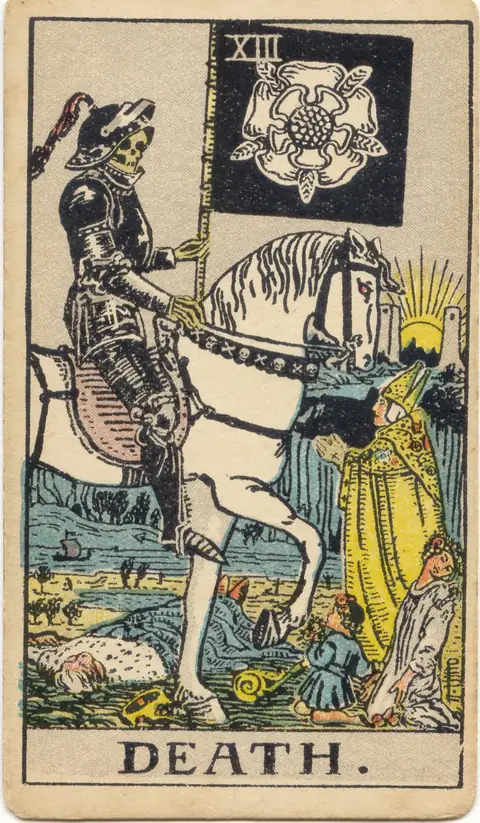
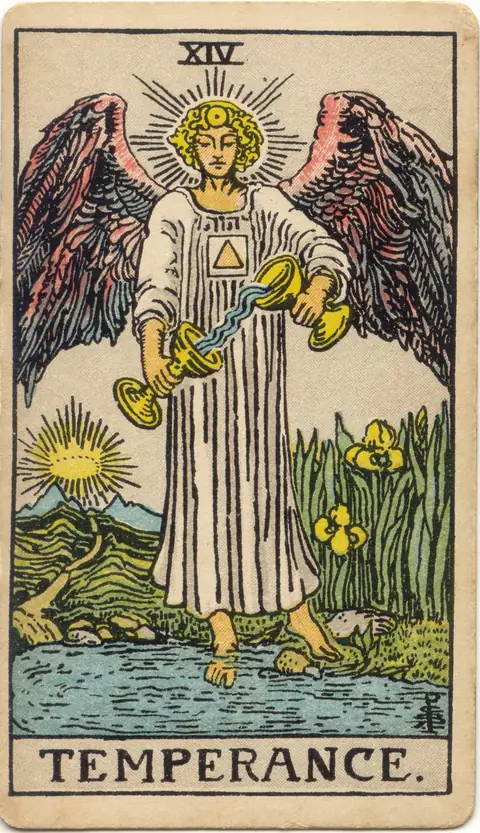
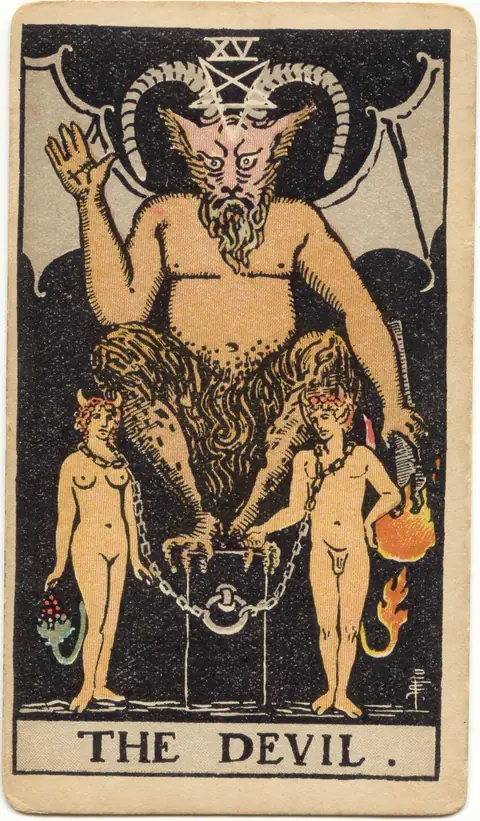
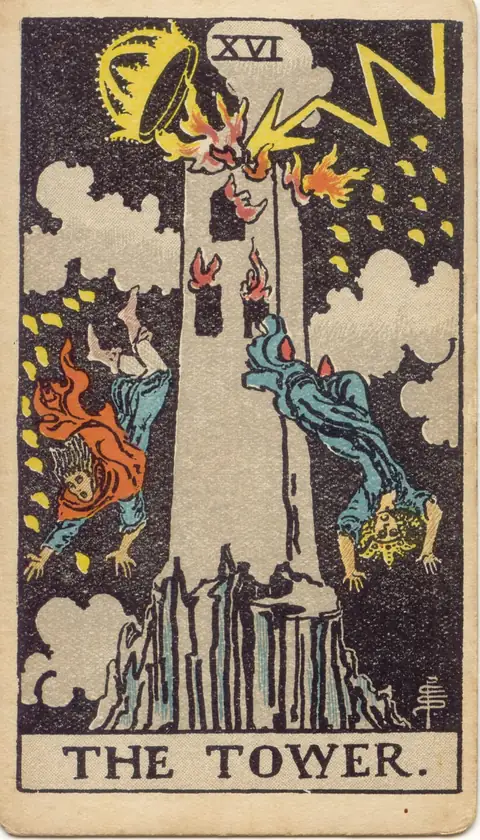
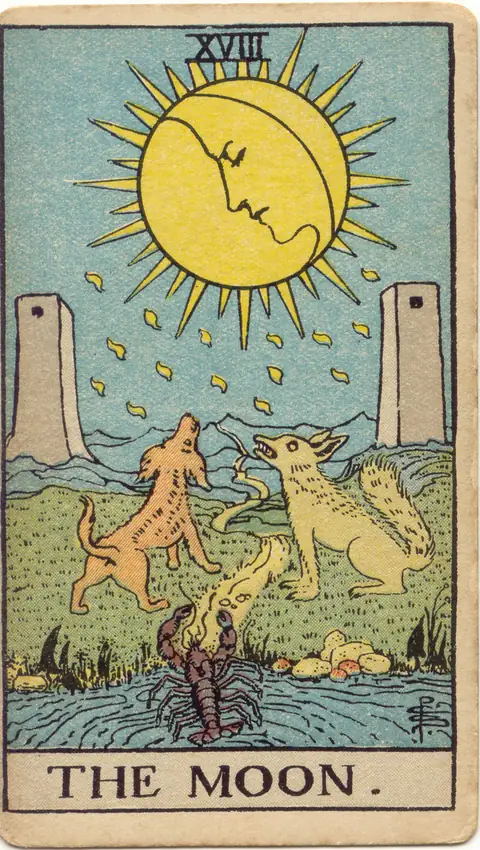
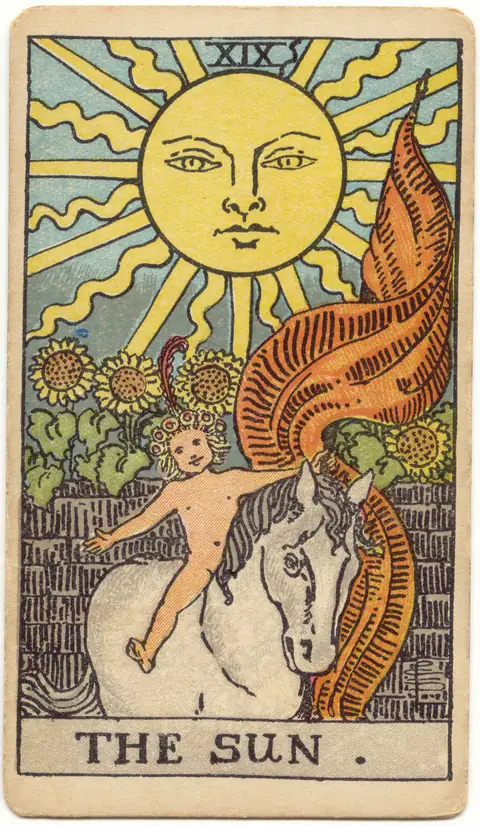
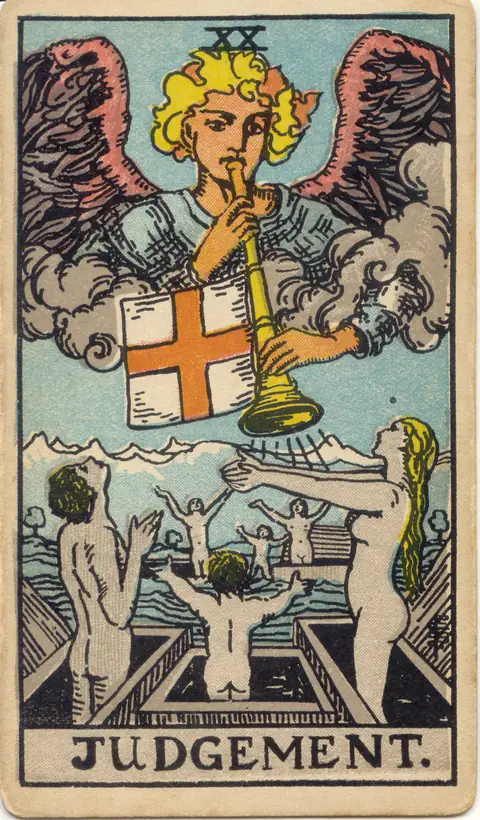
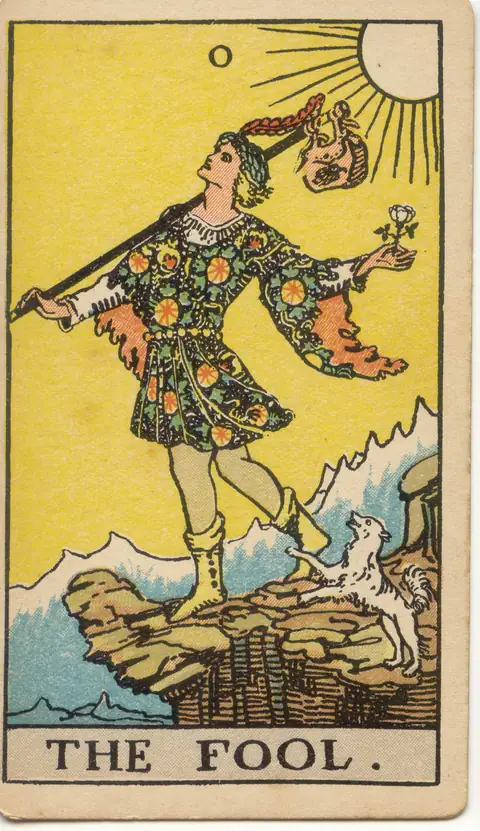
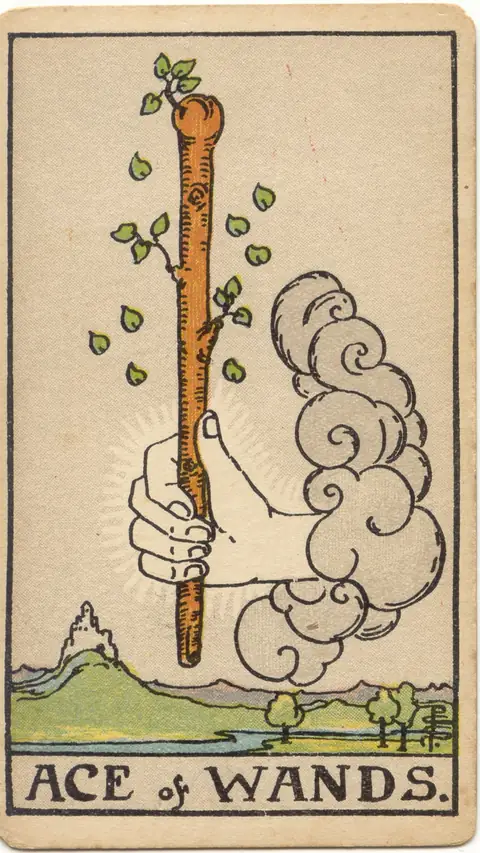
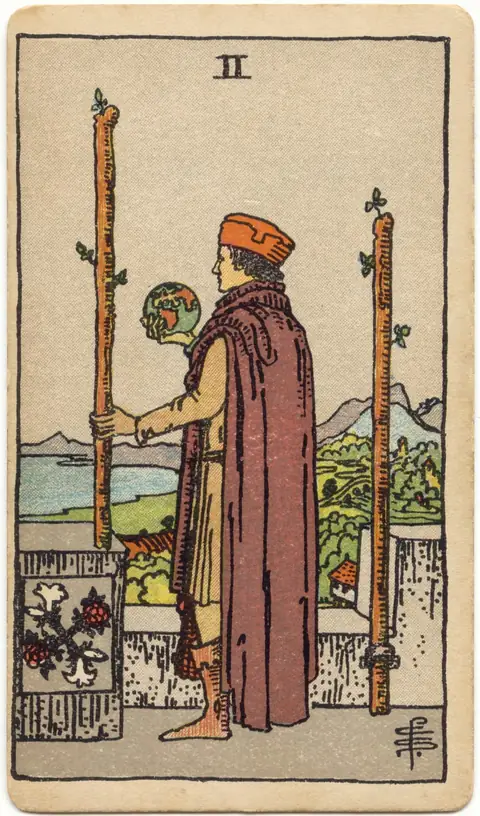
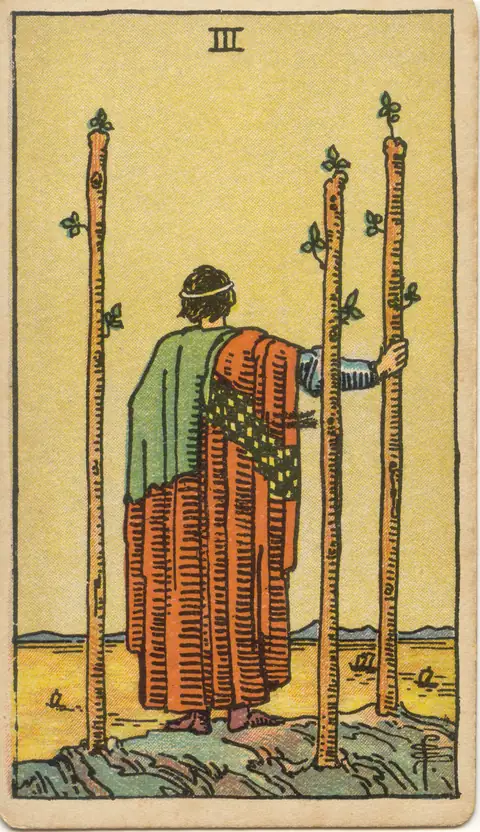
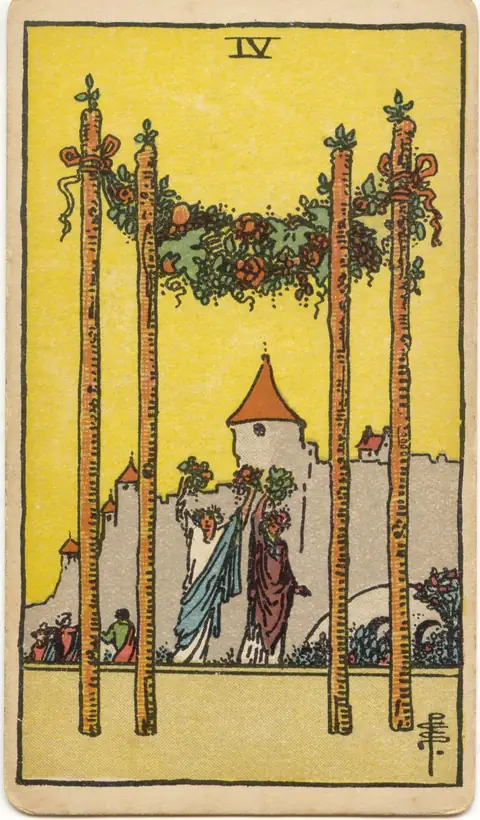
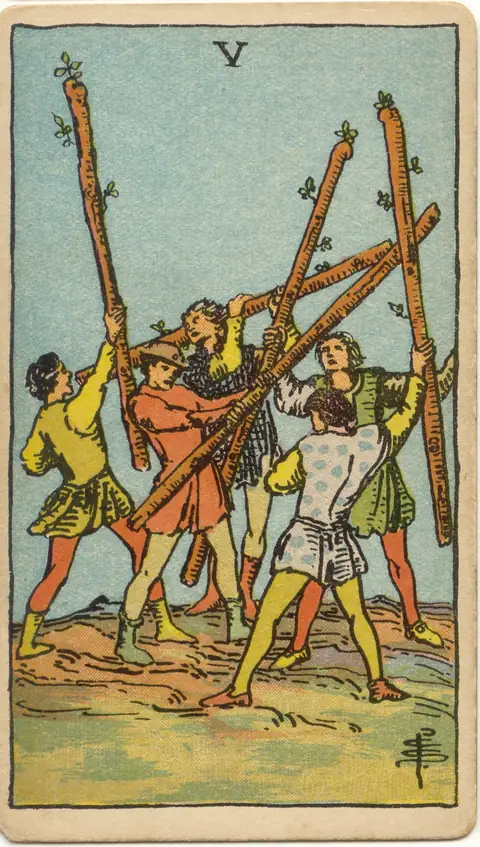
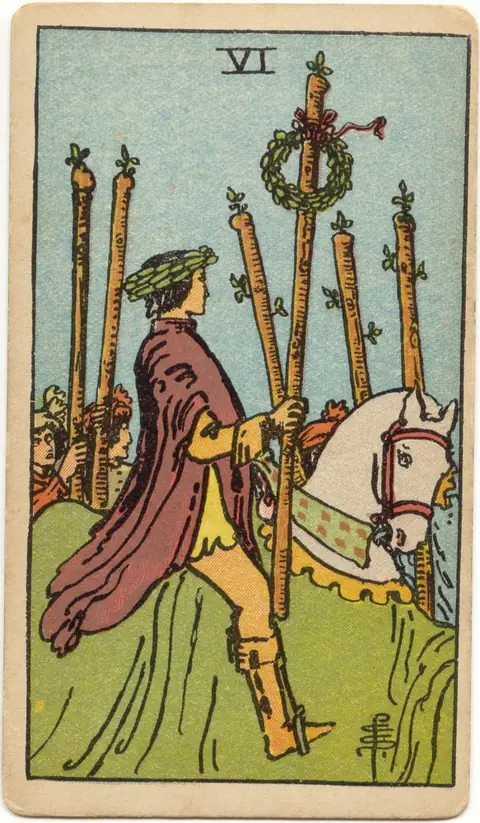
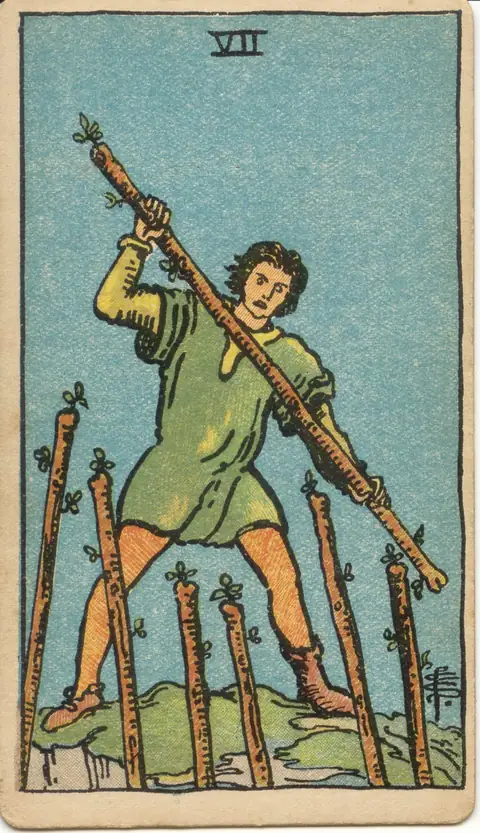
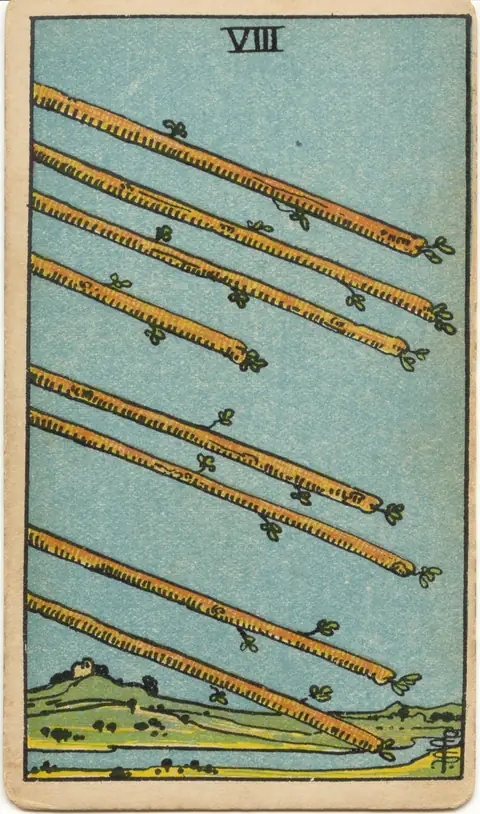
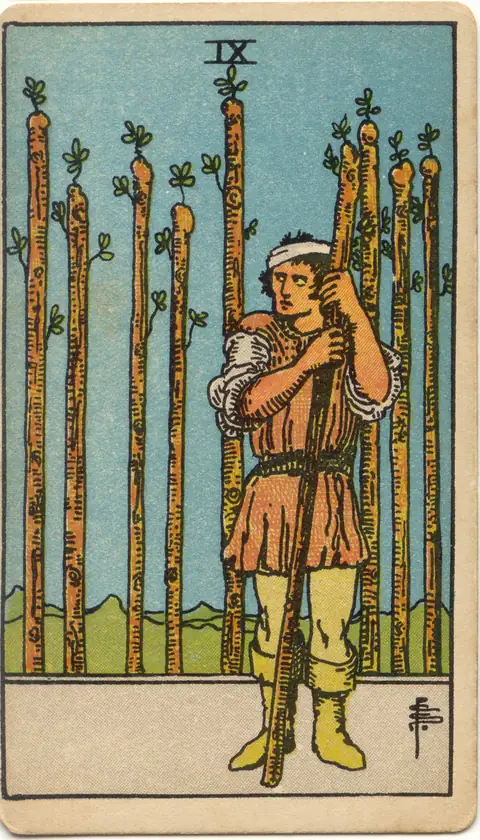
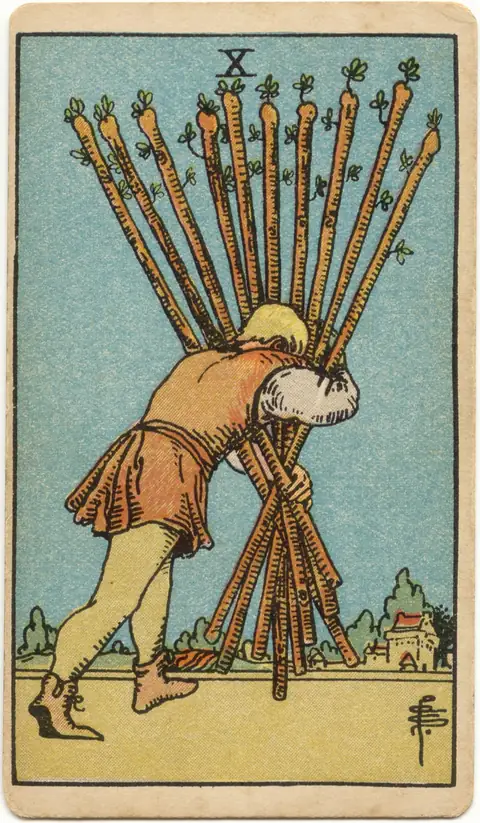
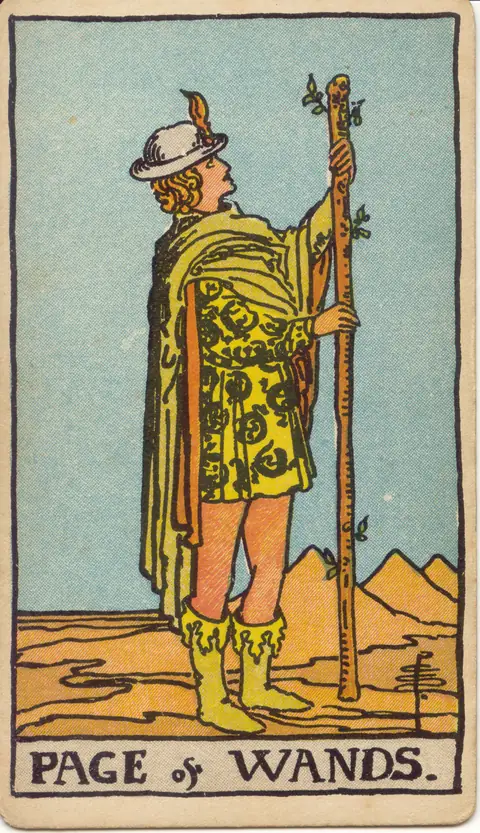
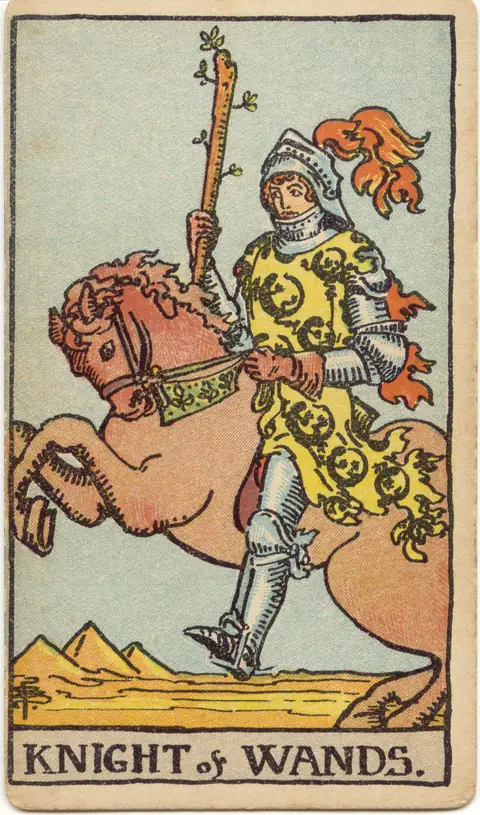
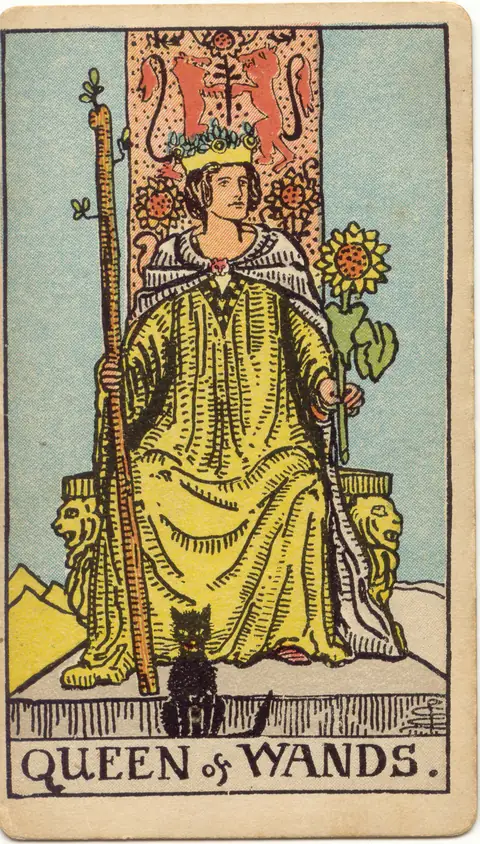
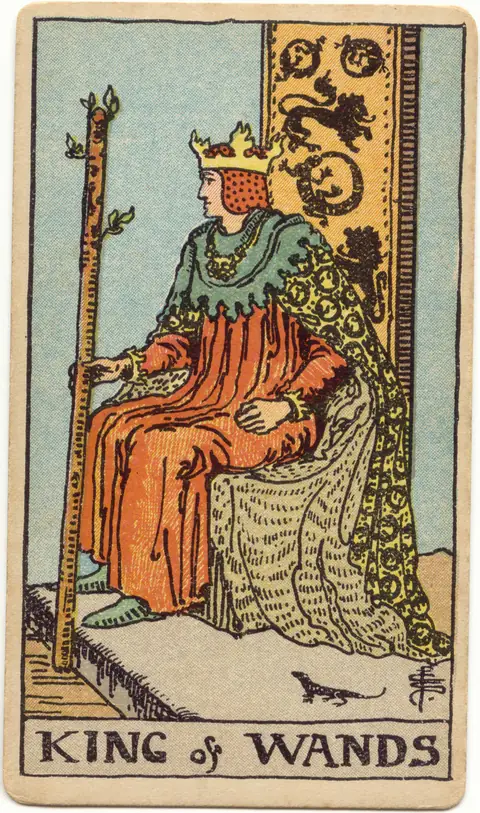
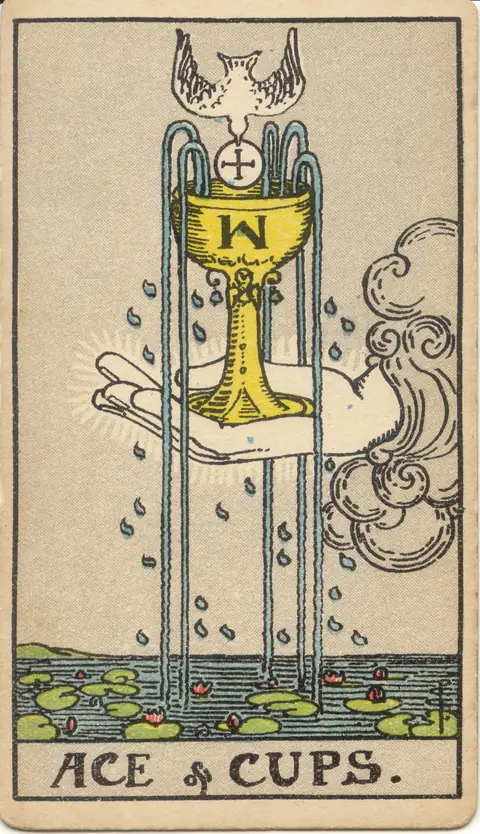
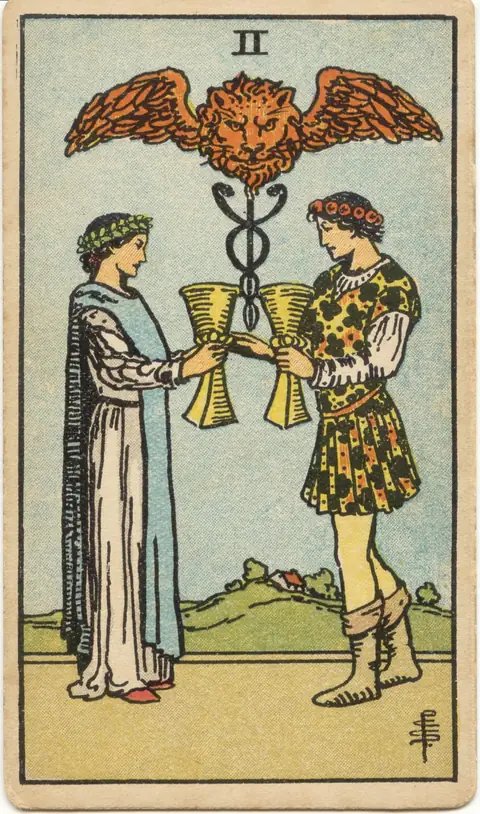
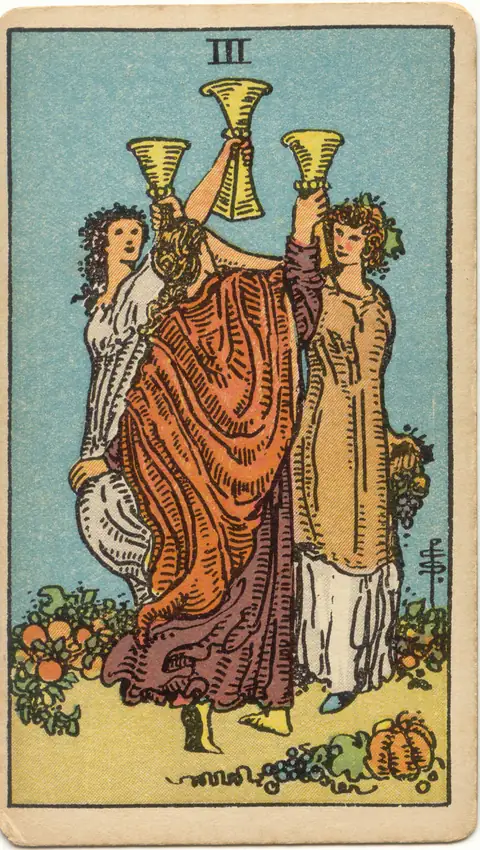
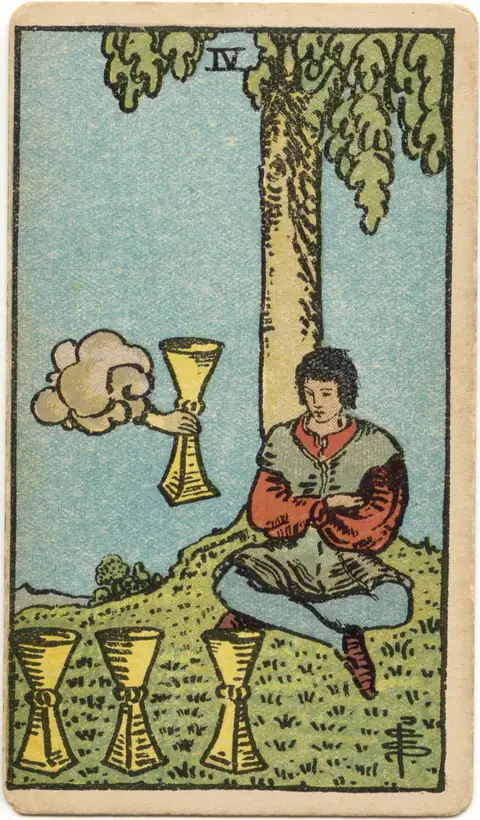
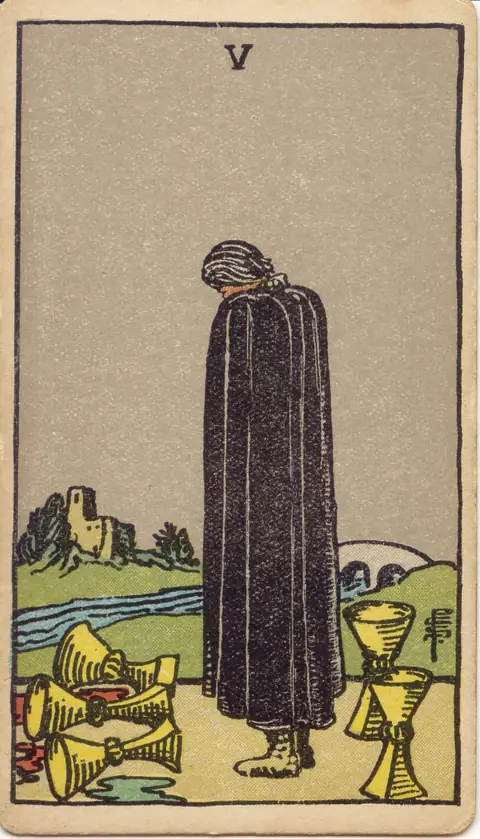
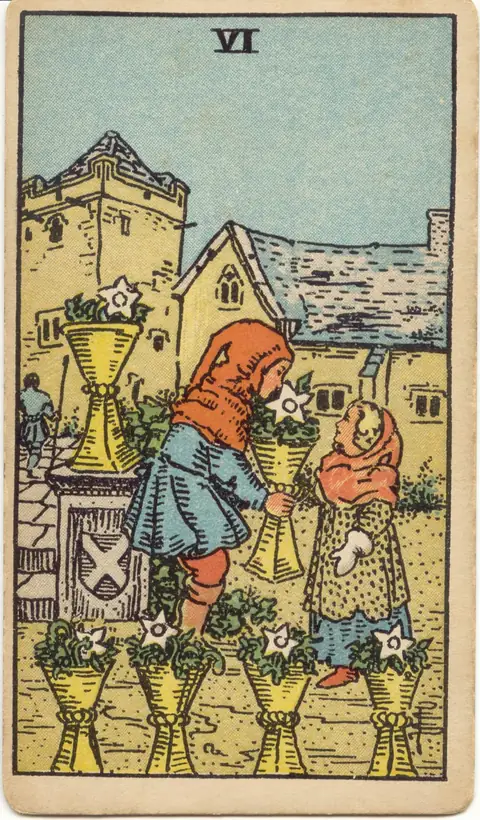
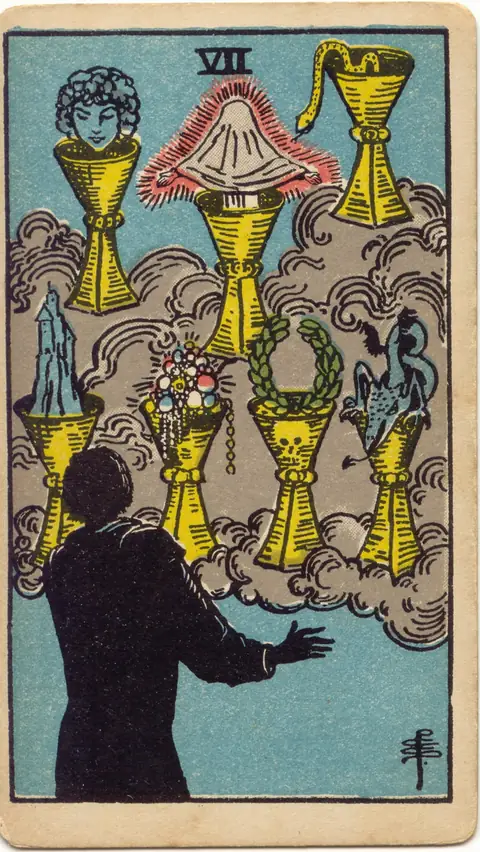
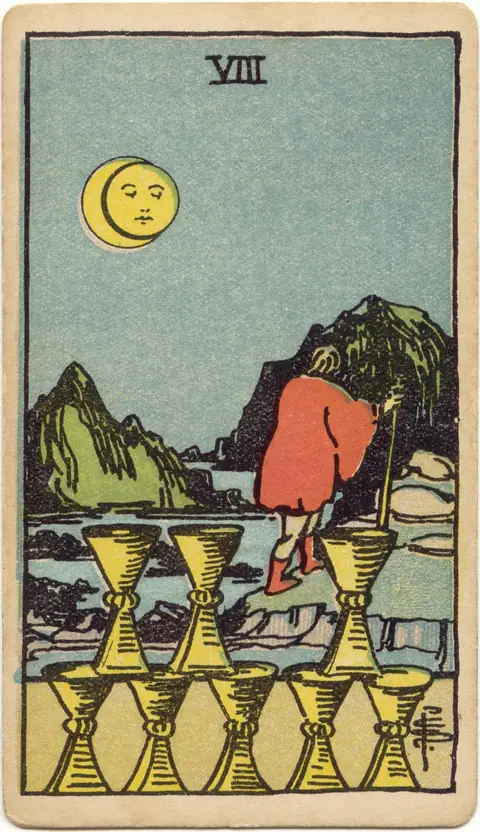
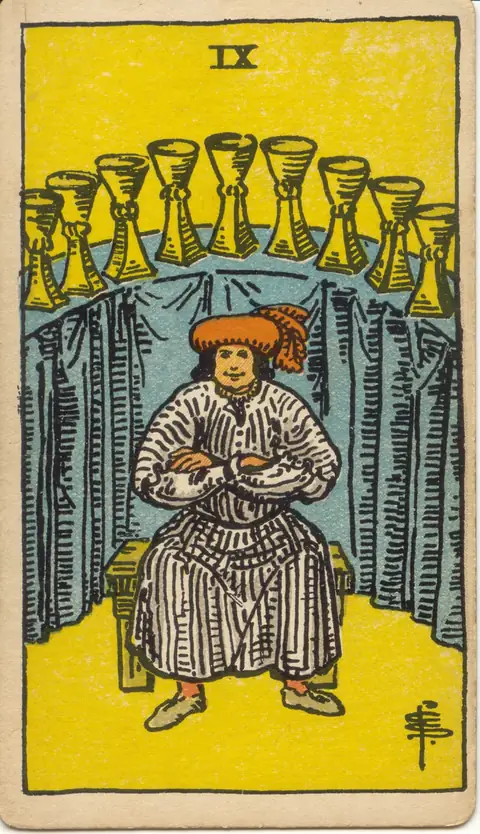
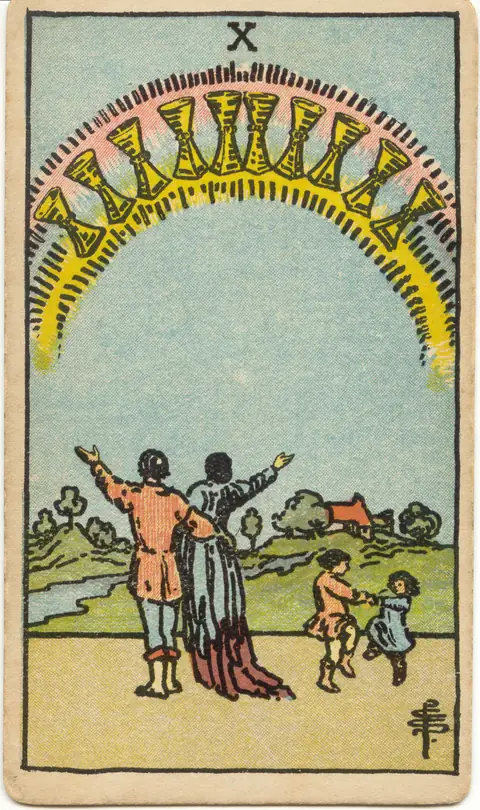
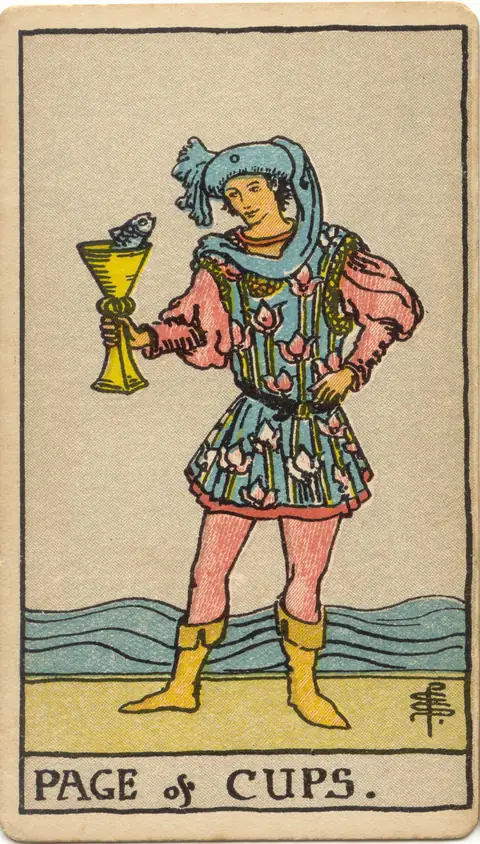
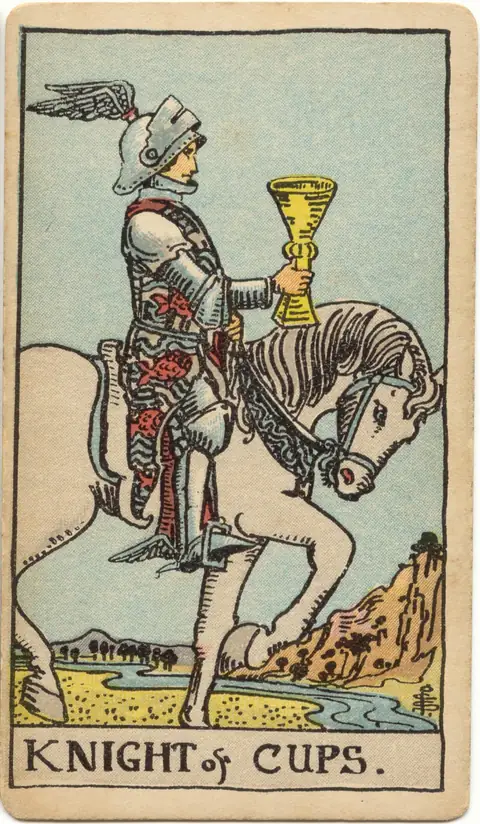
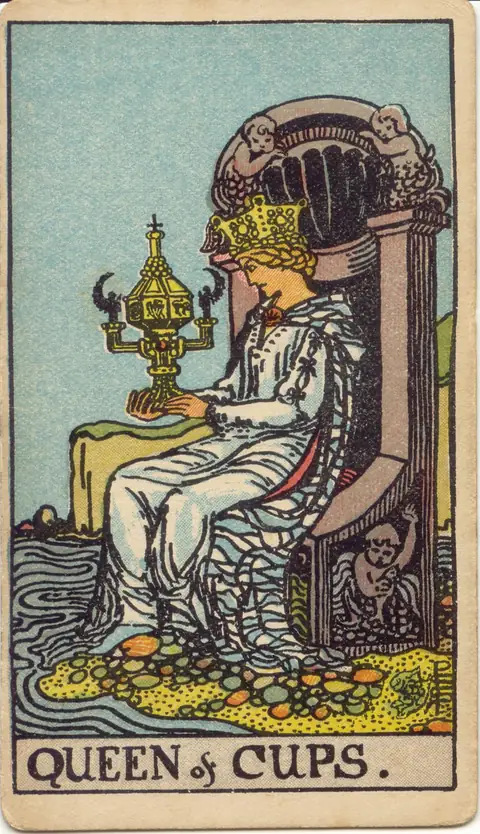
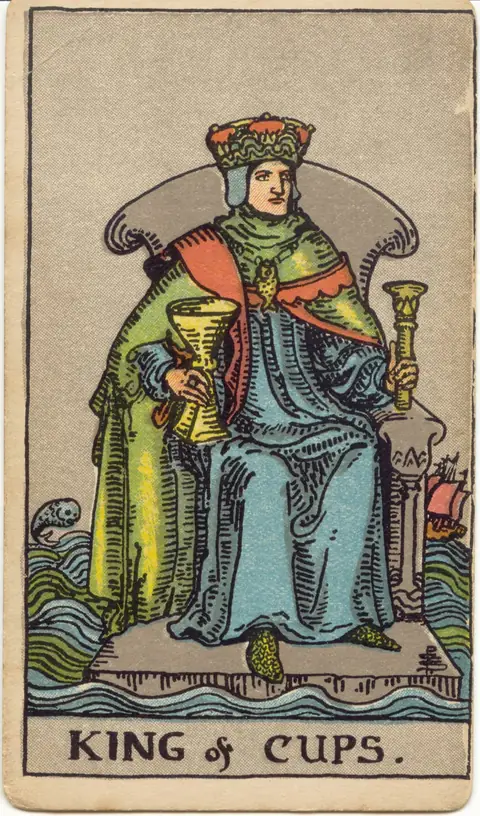
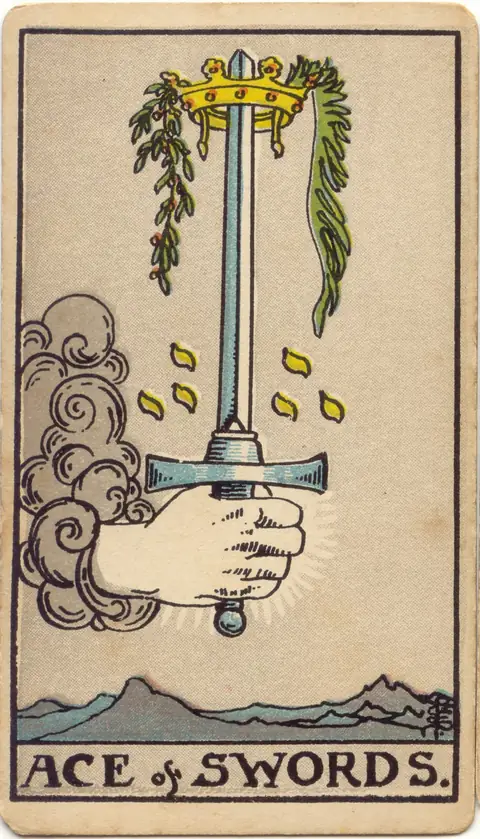
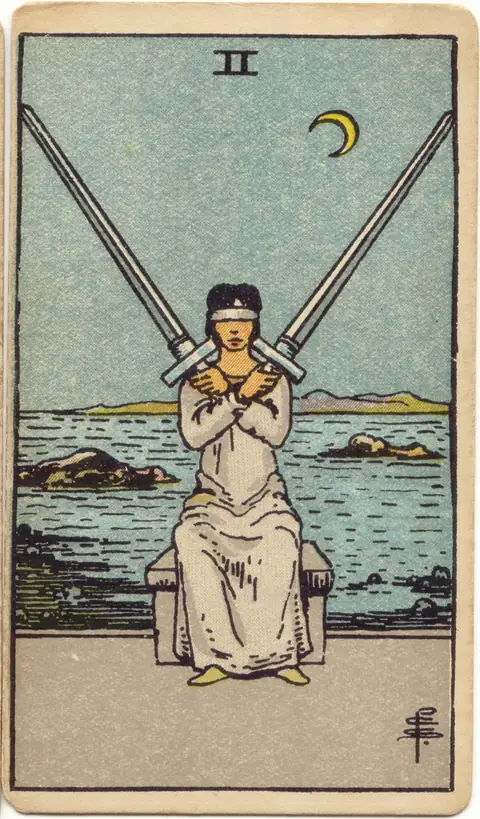
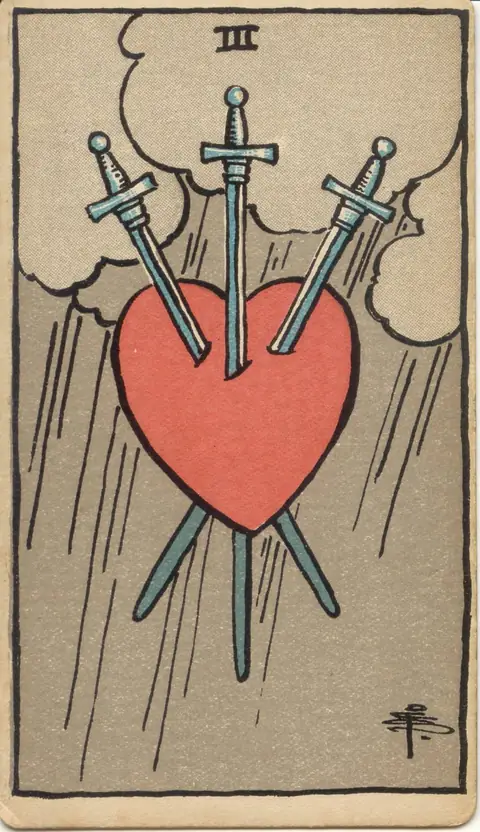
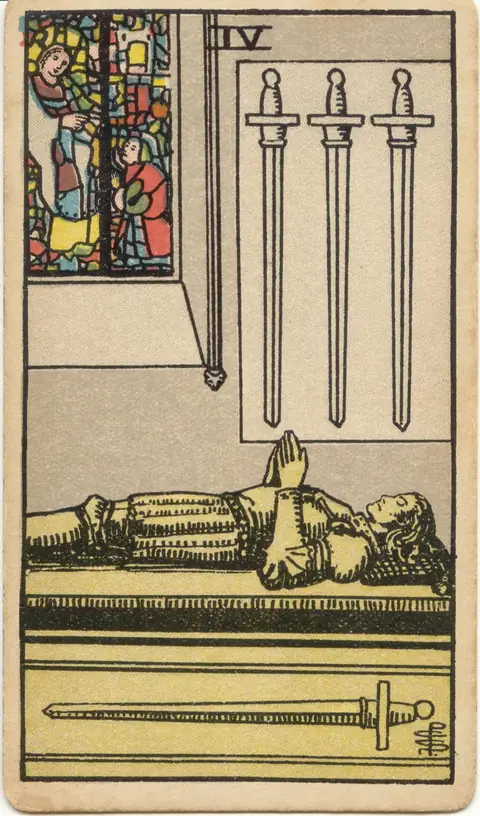
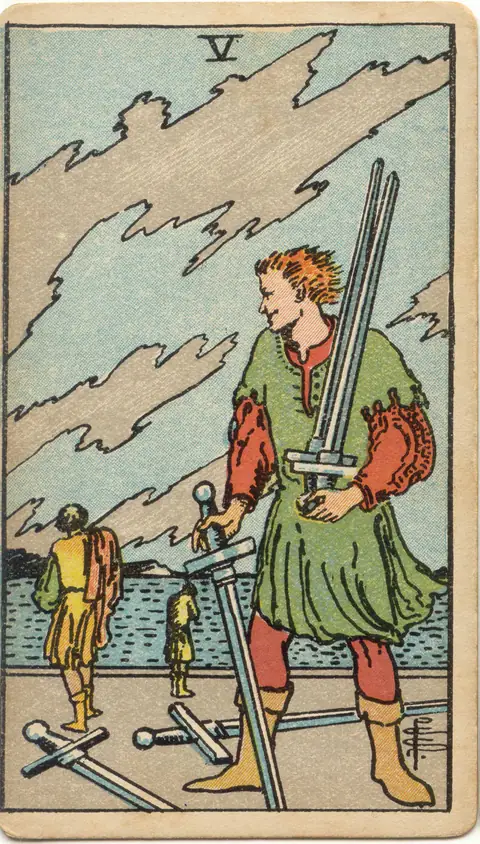
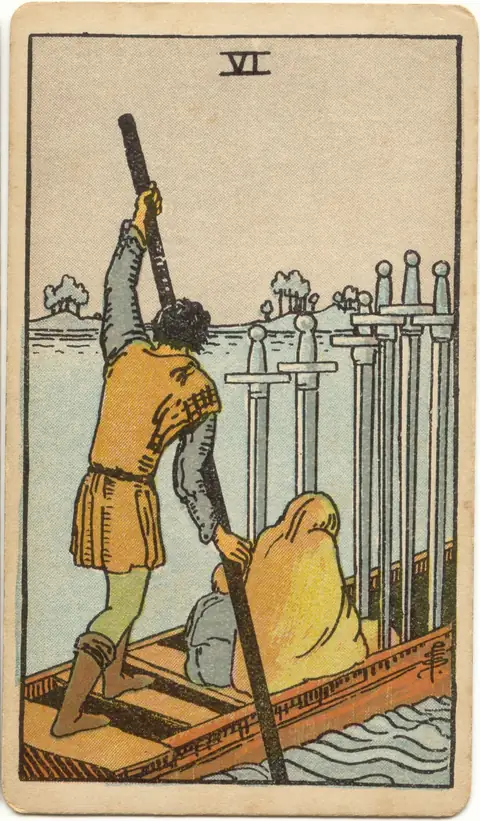
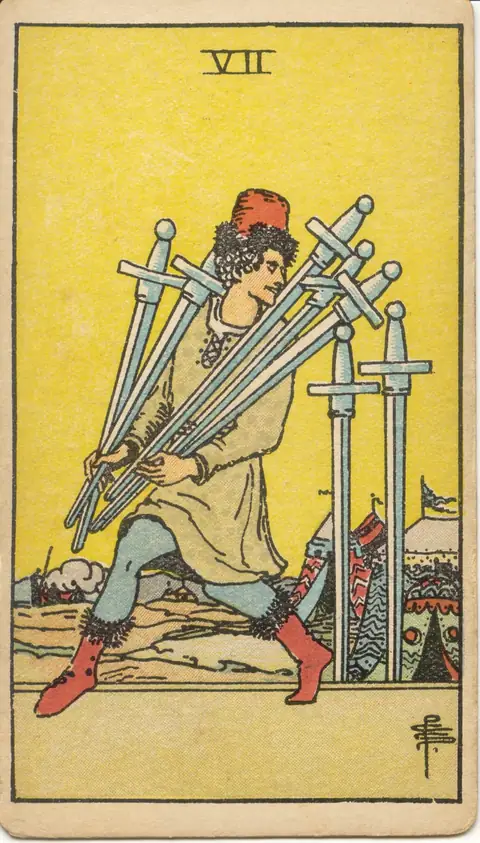
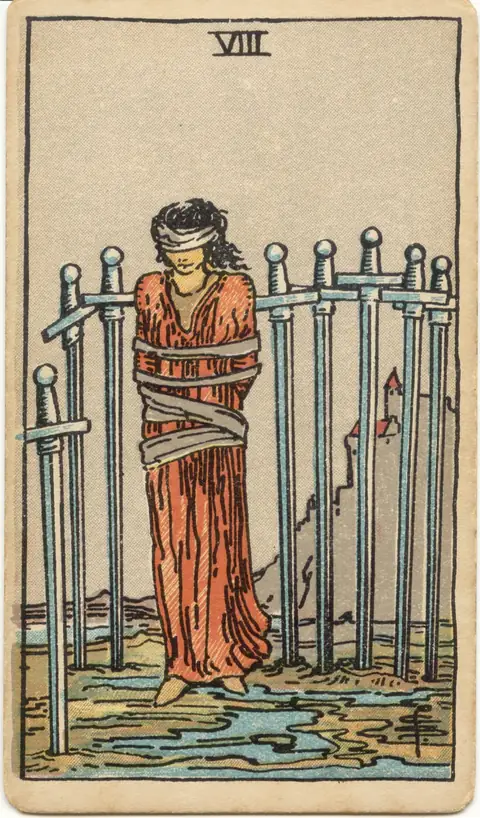
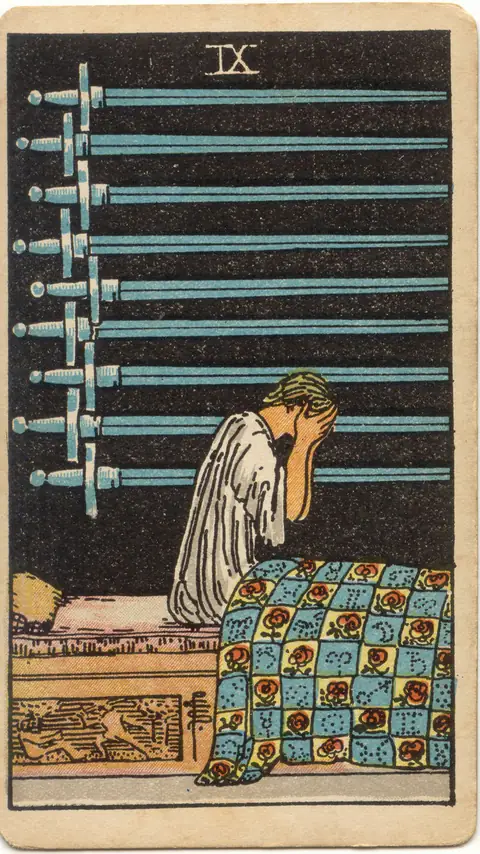
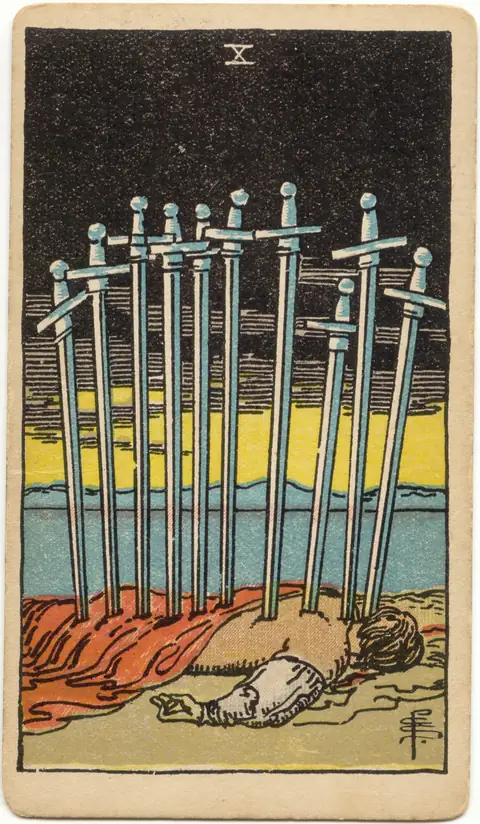
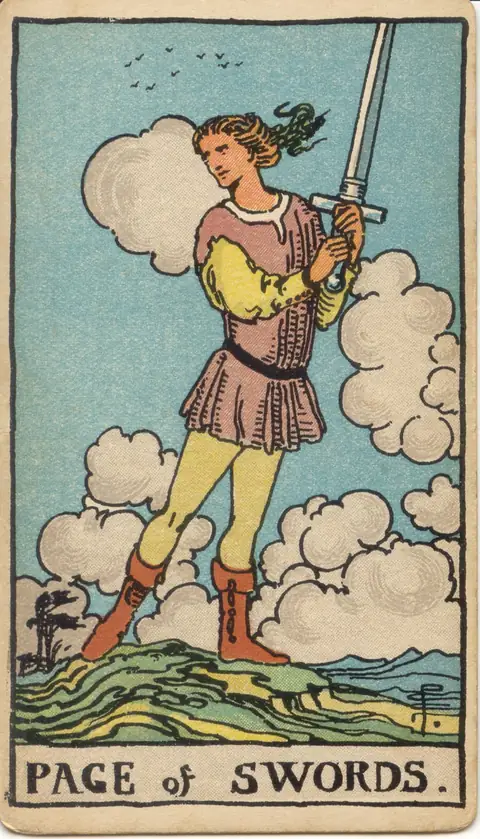
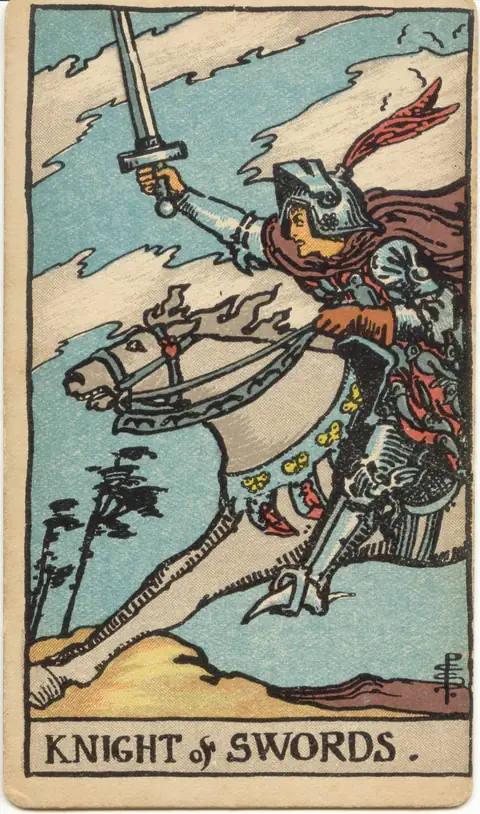
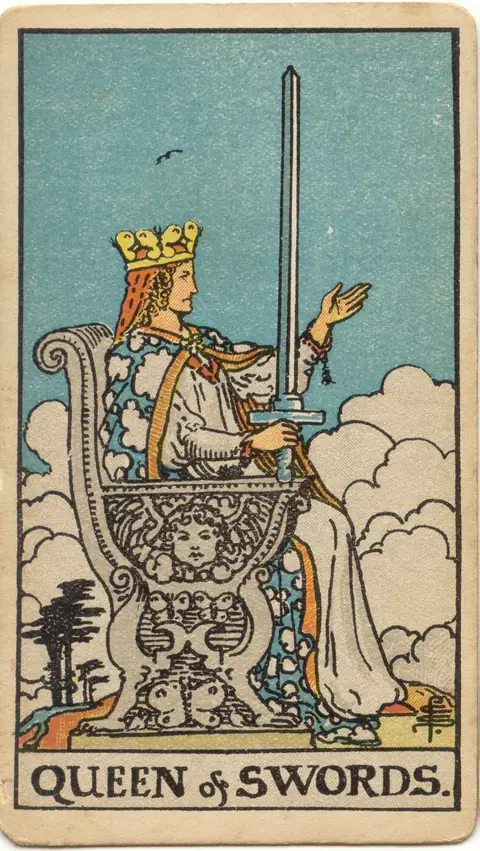
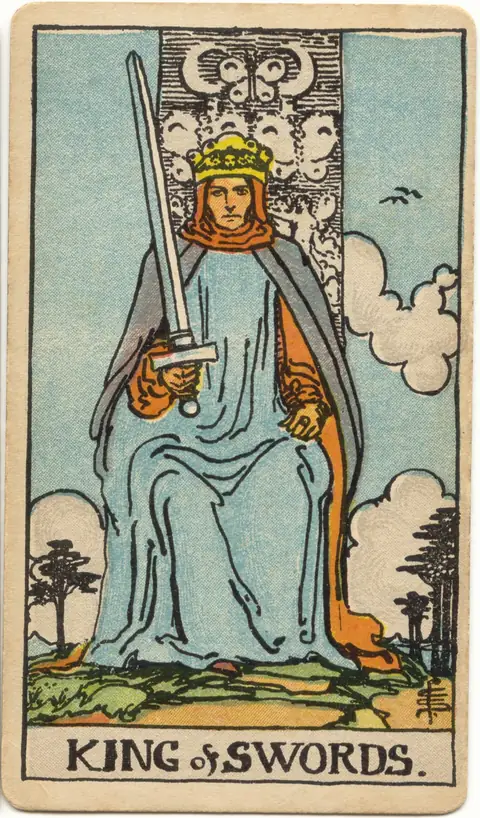
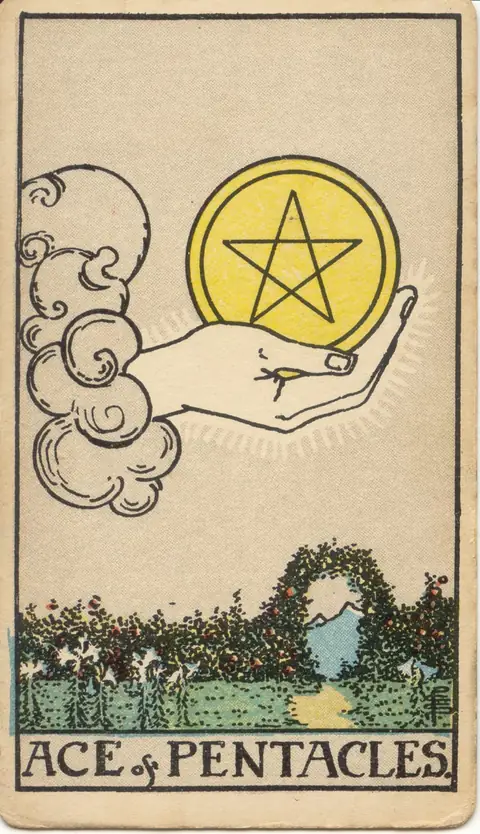
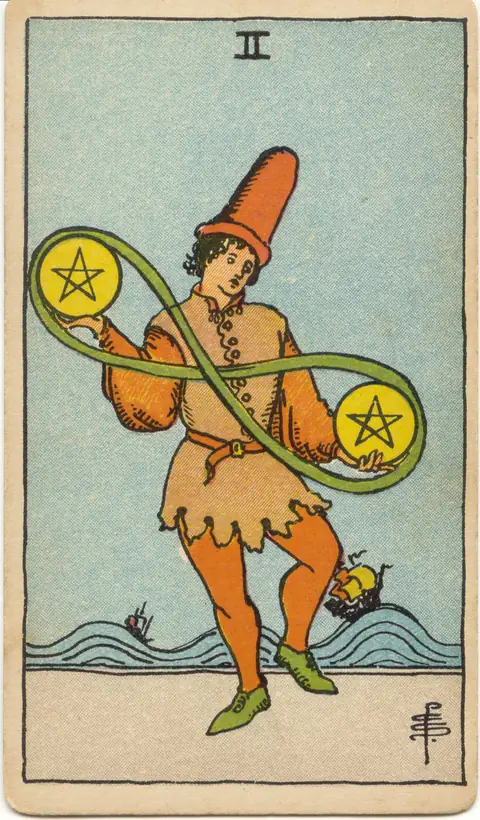
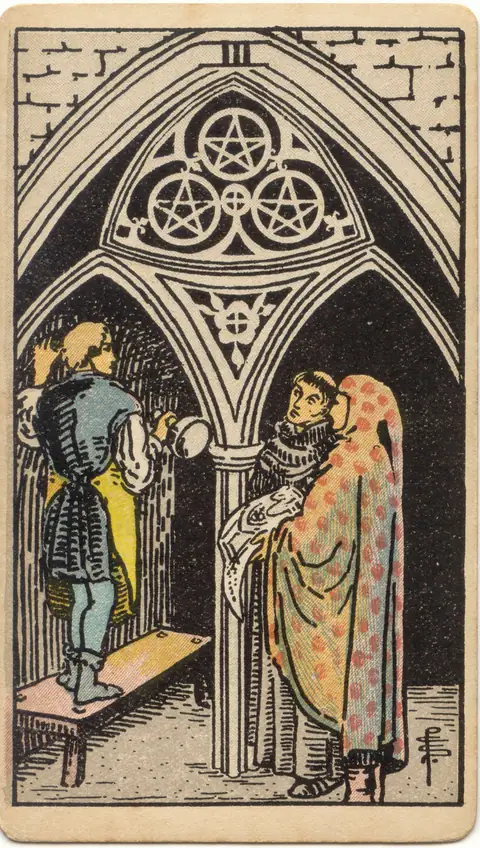
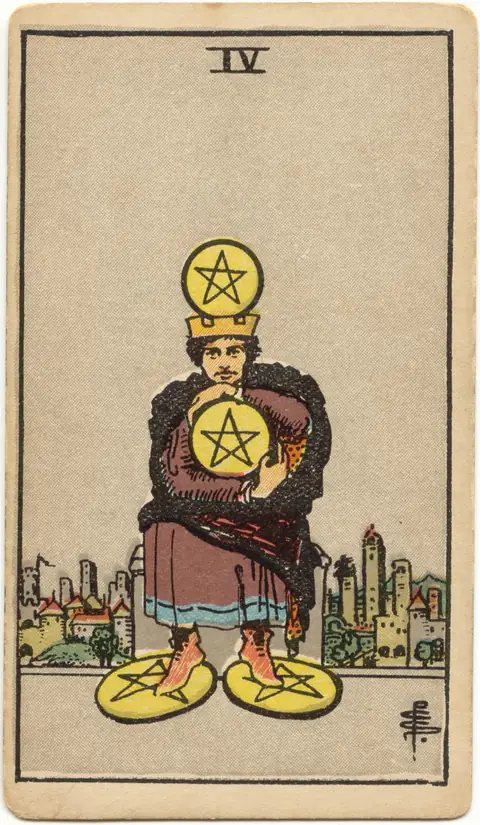
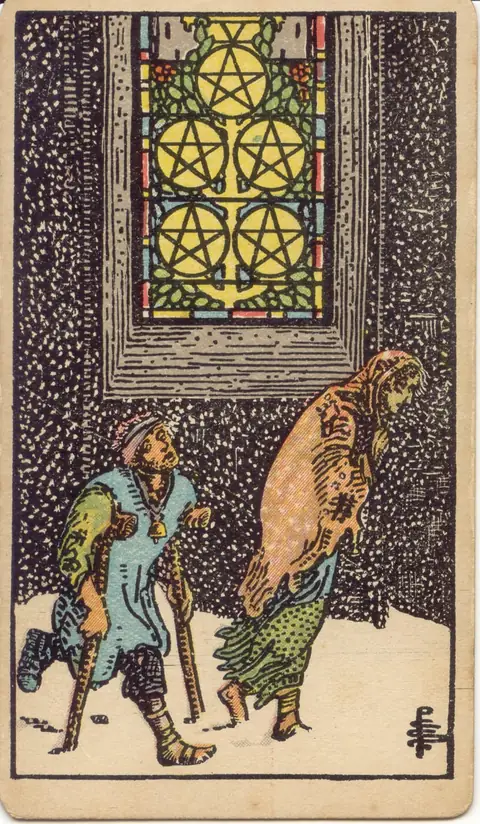
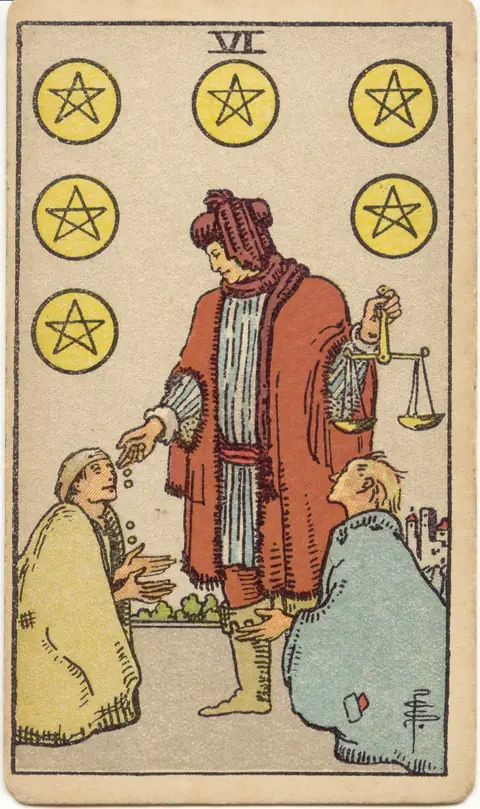
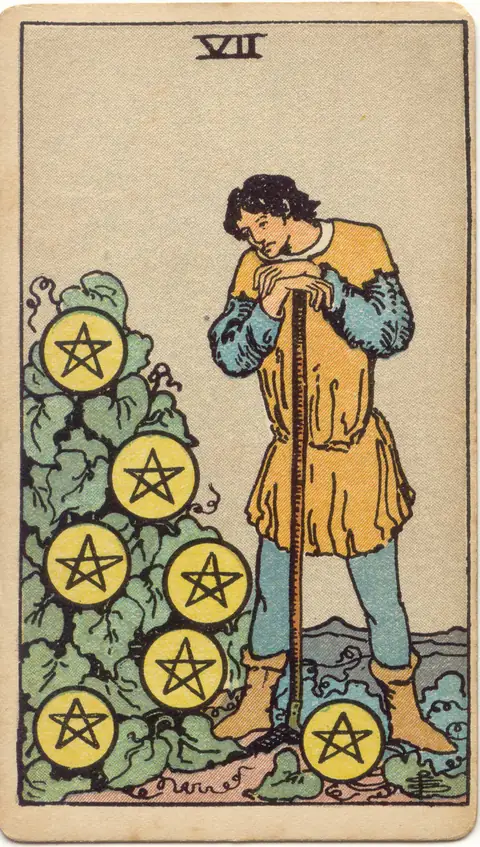
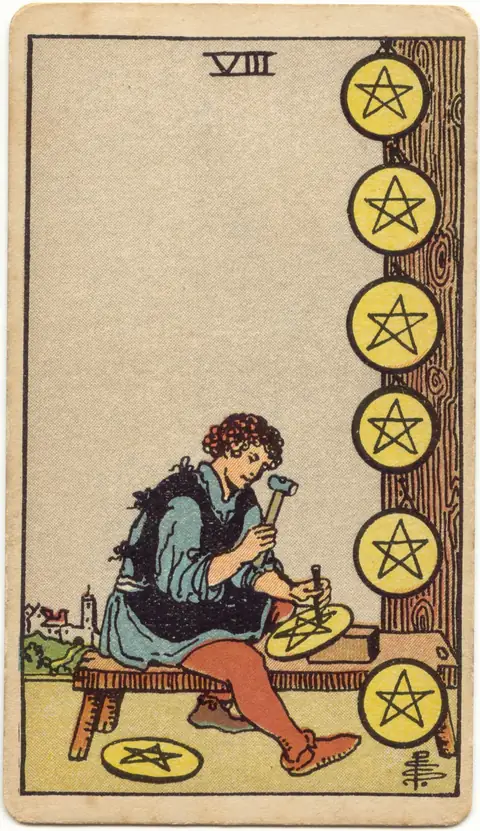
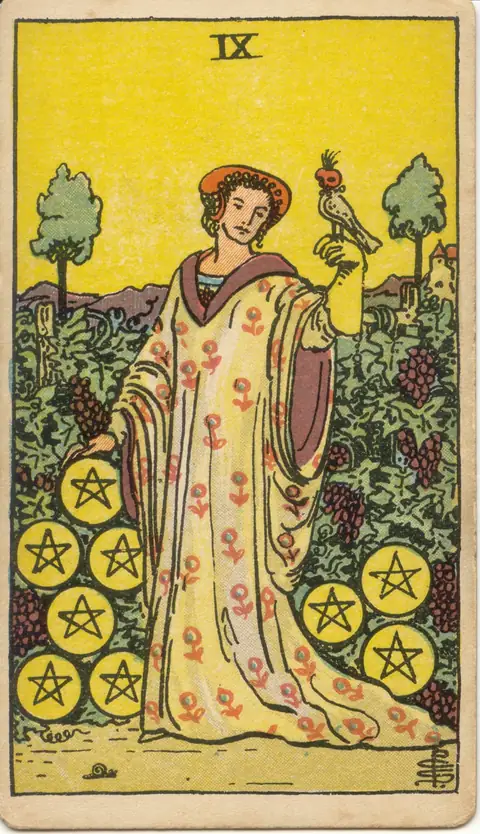
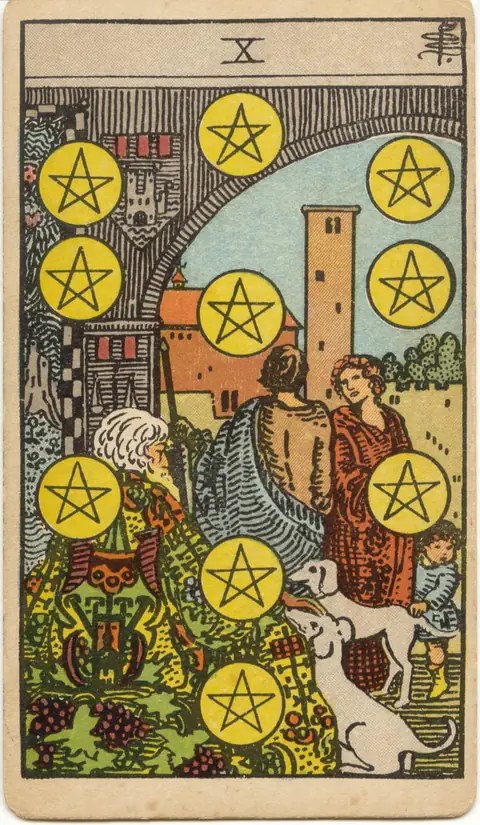
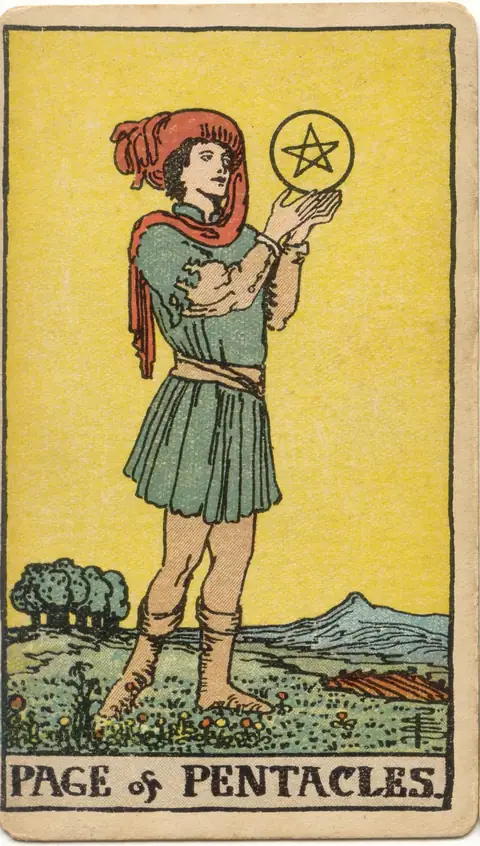
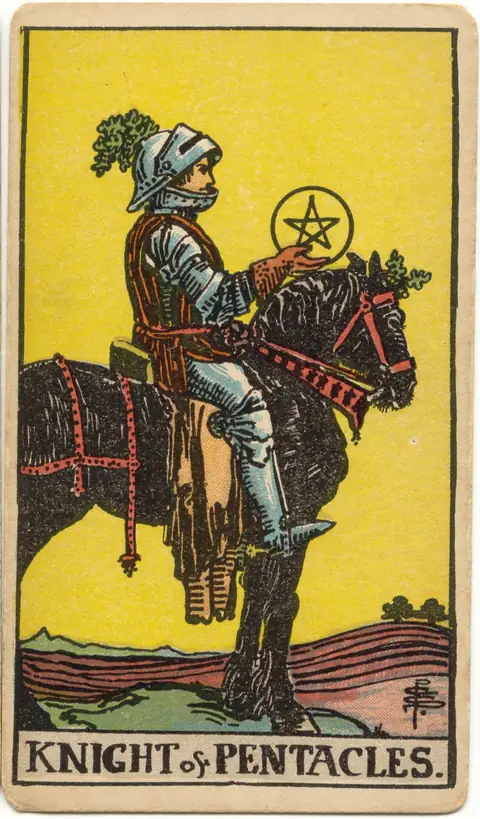
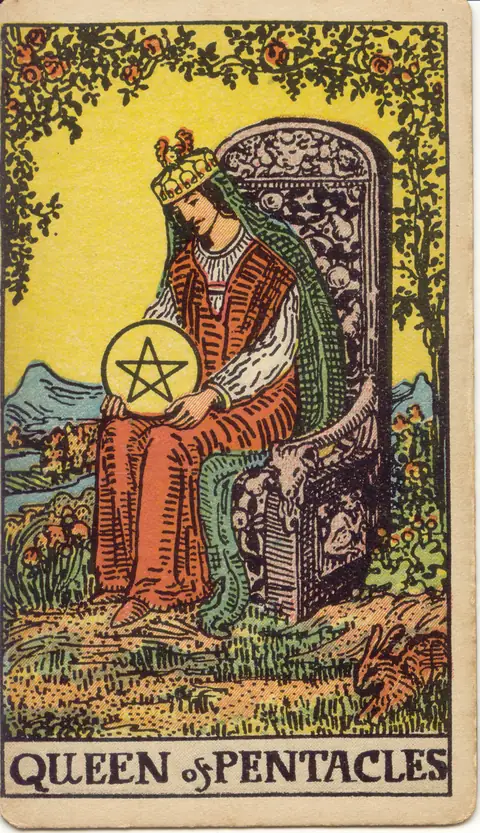
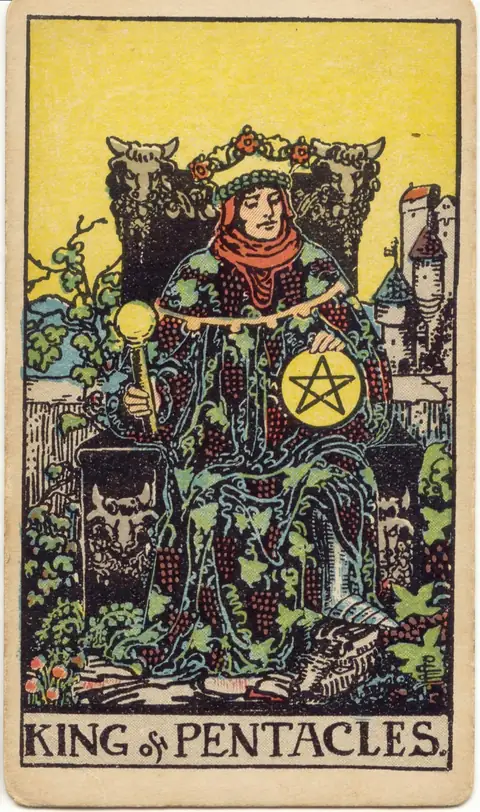
Rider-Waite: drawings by Pamela Colman Smith, 1909, public domain, via Wikimedia Commons. Images resized and compressed by Versana; Marseille Minor Arcana diagrams and card back drawn by Versana.
The key stages
In 1909, a London publisher issued a deck designed by Arthur Edward Waite and drawn by Pamela Colman Smith; the publisher’s name, Rider, is remembered alongside the designer’s.
Origins
The deck belongs to the line of tarots with numbered cards and four suits, whose structure it takes up.
The deck takes shape
In 1909, the London publisher William Rider & Son issued a deck designed by Arthur Edward Waite and drawn by Pamela Colman Smith, who went uncredited as an artist for a long time.
Reading
Pamela Colman Smith’s artwork, long left without credit, gives the deck its character of images to describe, card by card.
Today
Today, this deck serves many readers who read the cards through their images and symbols.
How to read it
The image
Describe the scene above all: figures, setting, objects, sky, colors. Every card, minor cards included, offers one; meaning arises from the relationship between these elements and your question, not from a fixed list.
The number
The number places the card within a progression, from ace to ten in a suit, from zero to twenty-one for the Major Arcana. It indicates a moment in the cycle, from the initial impulse to its end.
The position
The place in the spread guides the reading: the same scene becomes a support, a difficulty, or a question depending on the position it occupies and the cards around it.
Frequently asked questions: Rider-Waite
Where does the Rider-Waite come from?
It was published in 1909 by the London publisher William Rider & Son, designed by Arthur Edward Waite and drawn by Pamela Colman Smith, who went uncredited as an artist for a long time. Its name combines that of the publisher and that of the designer.
How many cards are in the deck?
It has 78 cards in all: 22 Major Arcana and 56 minor cards. The latter form four suits, each made up of ten numbered cards and four court cards: page, knight, queen, and king.
How does it differ from the other deck?
The Rider-Waite illustrates every card with a drawn scene, while the Marseille deck leaves its minor cards as patterns. One invites you to describe images, the other to count and observe the suits, while the Major Arcana stay close in principle.