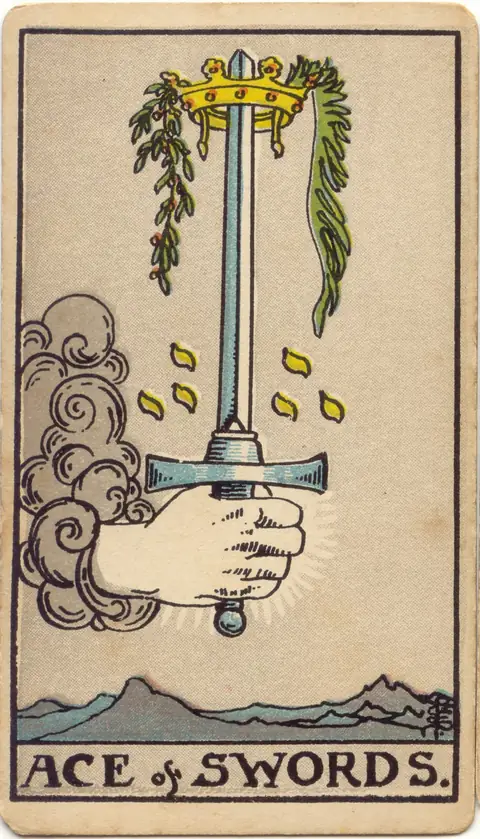
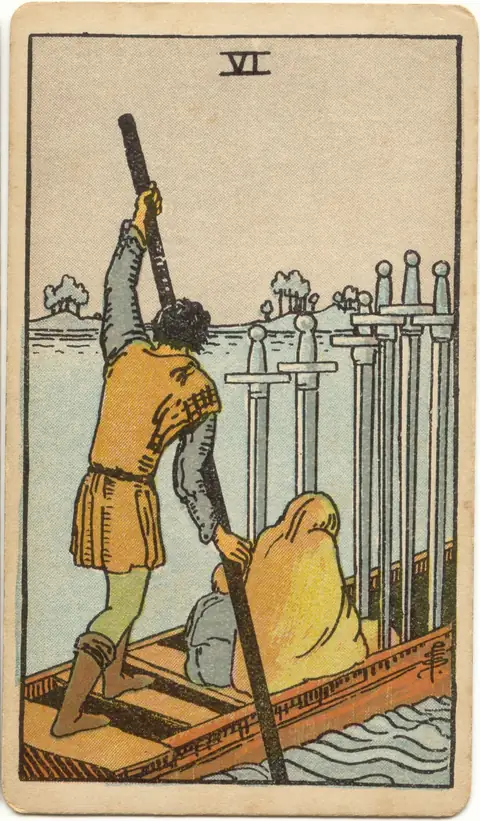
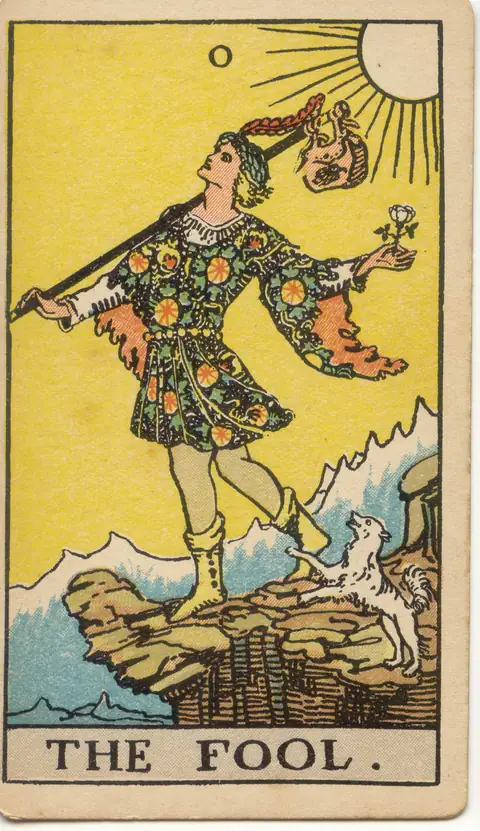
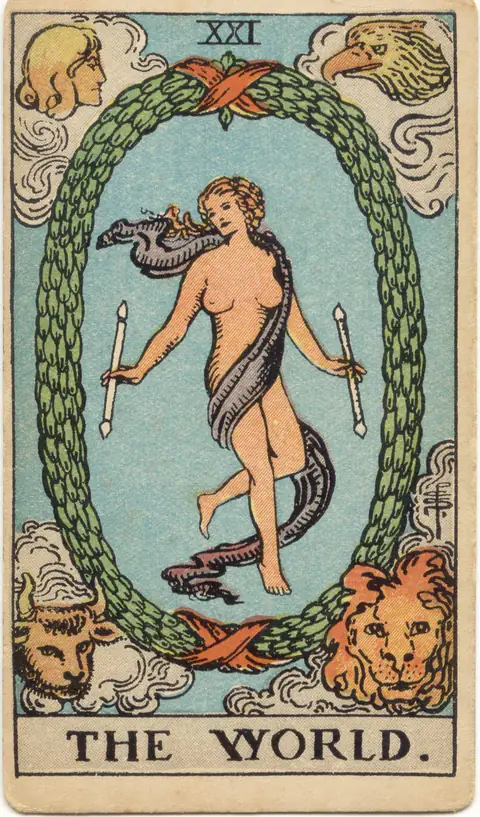
- The situation
- The hand calls for clarity: a sharp idea, a frank word, a decision that cuts through the fog. What was confused can be named.Reversed: The situation stays tangled: ideas jostle each other and none is yet clear enough to settle things.
- What helps
- What helps: a crystal-clear idea, said aloud or set down on paper. Naming the central point gives you a firm footing to move forward.Reversed: Support still needs clarifying: laying out ideas one by one helps you find a thread before launching in.
- What holds you back
- What holds you back here comes down to precision: a lively idea that is too cutting, or a wish to settle everything at once, can tense up the exchange.Reversed: The obstacle is a held-back impulse: the thought is there but shuts itself in, and the fog keeps you from putting it into words.
- Your way of being
- A frank and direct way of being: the idea comes quickly, the words go straight to the point, with a desire to see clearly above all.Reversed: A stance held back from your own ideas: they turn around inside, without finding words to come out.
- What connects you
- Between you, a clear word can open a new chapter: saying simply what each person thinks, with no detours or insinuations, gives you a common starting point again.Reversed: The bond stays in the fog: the right words are slow to come, each person keeps their thoughts to themselves, and the exchange goes in circles.
- What is at stake
- What is at stake is giving form to a new intuition: choosing what you want to say, saying it clearly, and accepting that it changes what follows.Reversed: What is at play: finding a clear thought amid the noise, without rushing and without blaming yourself for the confusion.
- Where it can lead
- A new clarity could open up: a frank idea, a decision that cuts through the fog and gives a first concrete step to take.Reversed: An opening could come from letting ideas settle: clarity would return little by little, without forcing.