Major Arcana tarot cards: meaning of the 22 cards
The Major Arcana are the twenty-two great cards of the tarot: strong images that speak of a choice, a passage, a meeting with yourself.
By Thomas Guilhot · updated

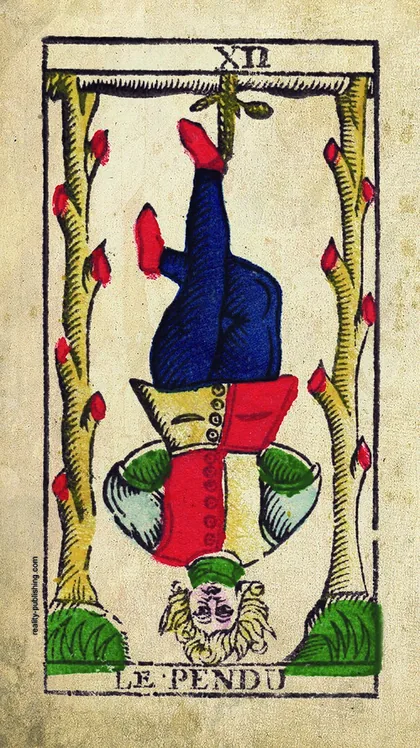
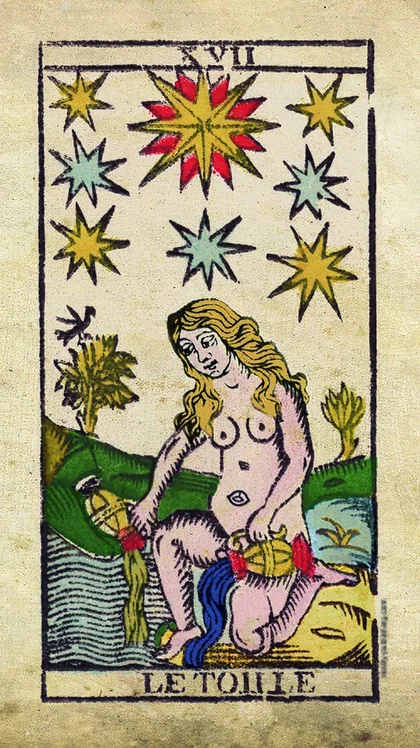
From the Magician to the Fool
Twenty-two cards in Marseille order, from the Magician to the Fool, each with its Rider-Waite counterpart: click a card to read it.
- IThe Magician
- IIThe High Priestess
- IIIThe Empress
- IIIIThe Emperor
- VThe Hierophant
- VIThe Lovers
- VIIThe Chariot
- VIIIJustice
- VIIIIThe Hermit
- XWheel of Fortune
- XIStrength
- XIIThe Hanged Man
- XIIIDeath
- XIIIITemperance
- XVThe Devil
- XVIThe Tower
- XVIIThe Star
- XVIIIThe Moon
- XVIIIIThe Sun
- XXJudgement
- XXIThe World
- unnumberedThe Fool


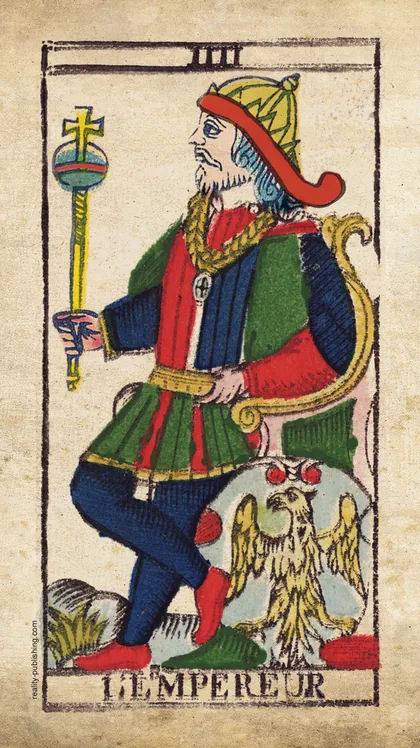
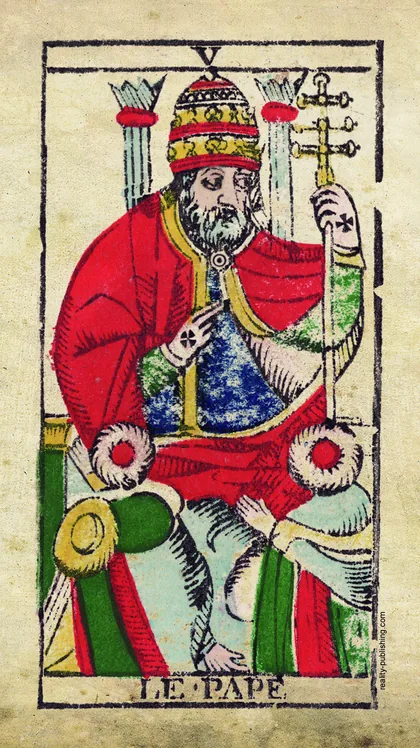
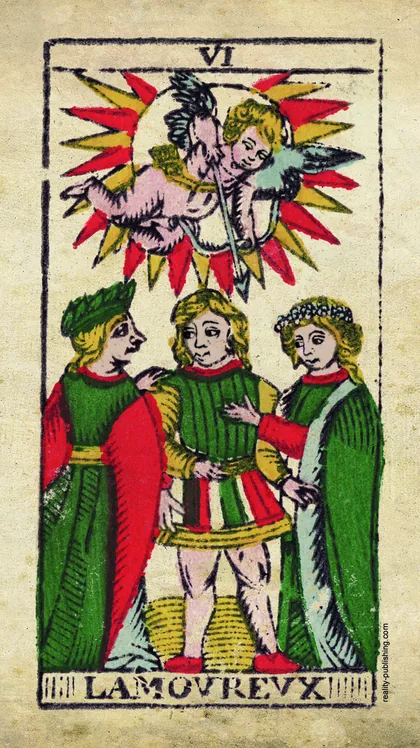
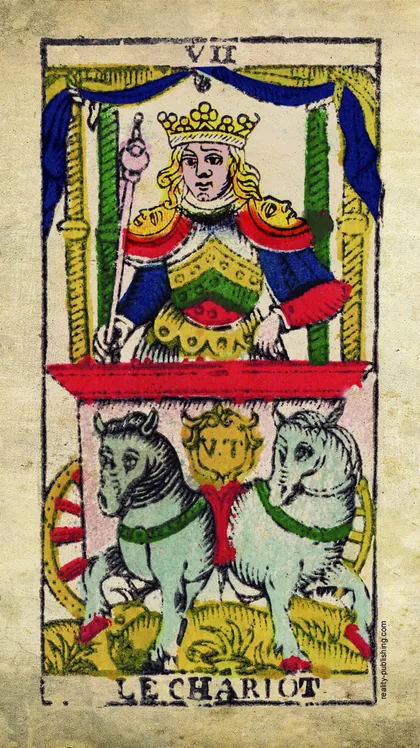
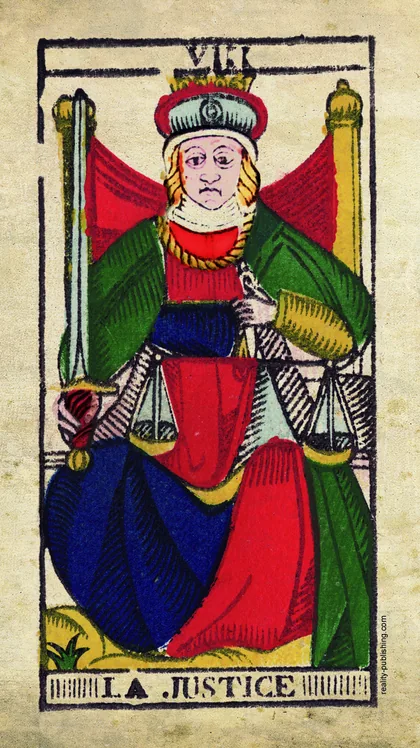
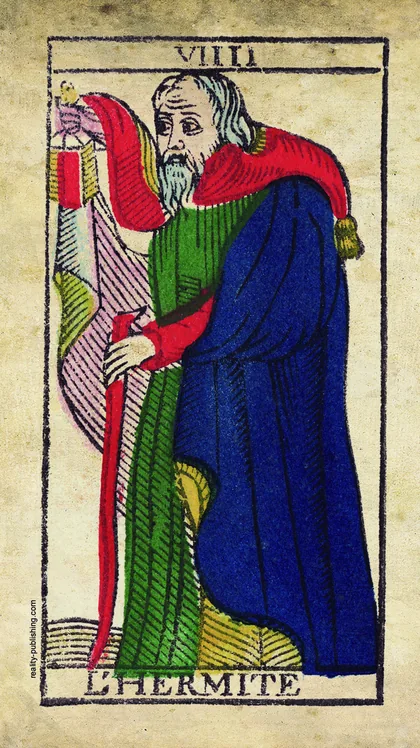
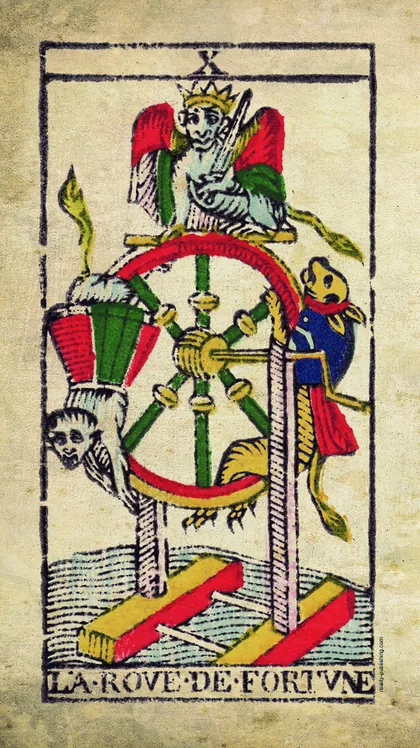
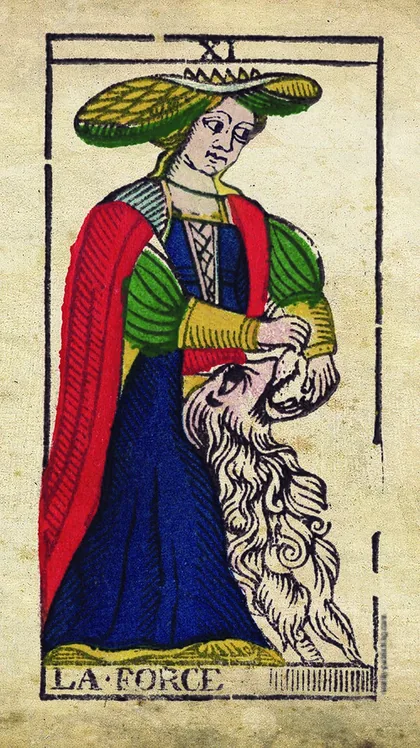
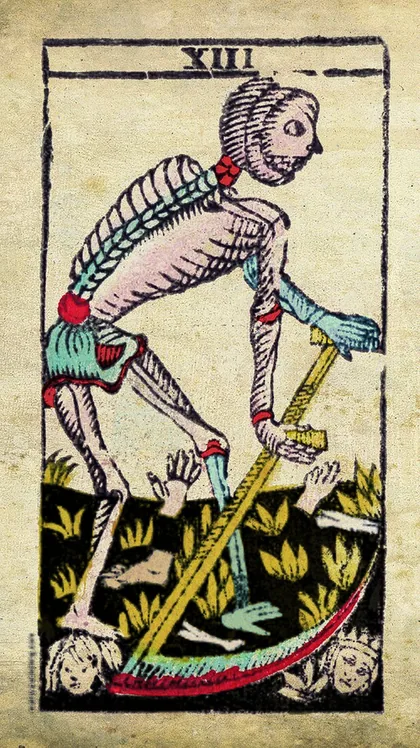
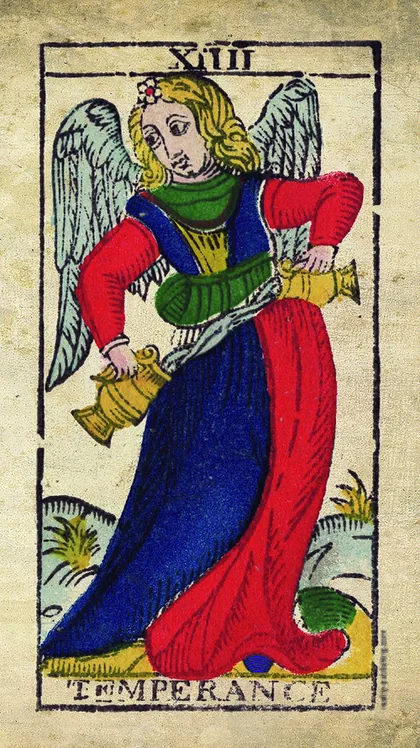
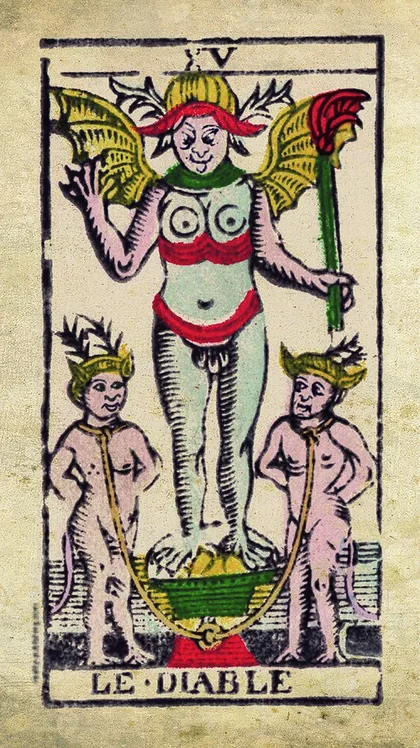
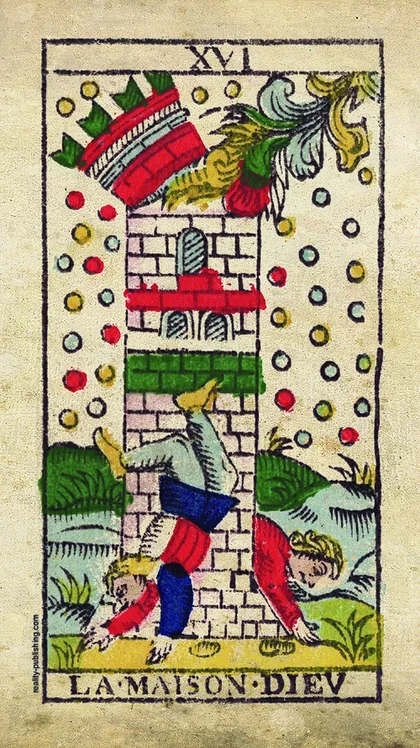
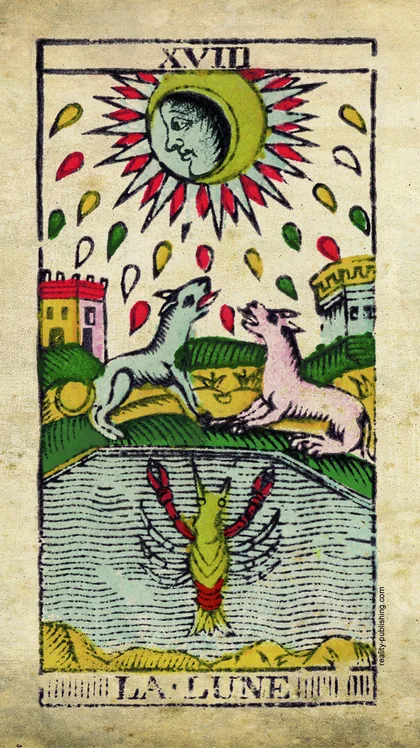
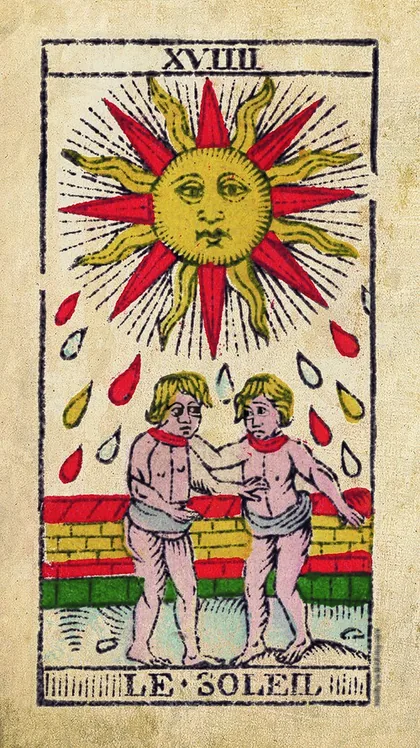
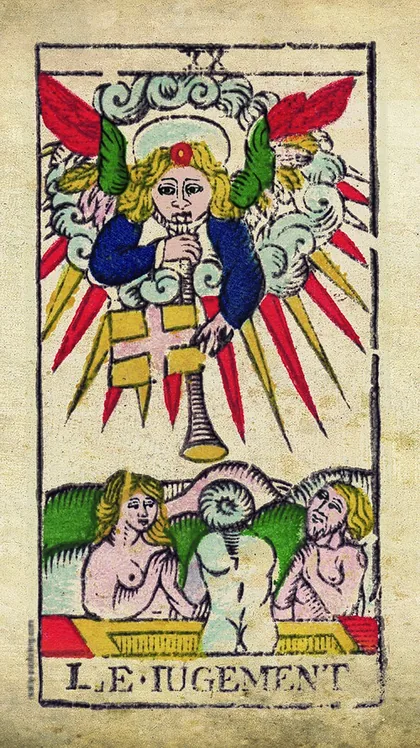
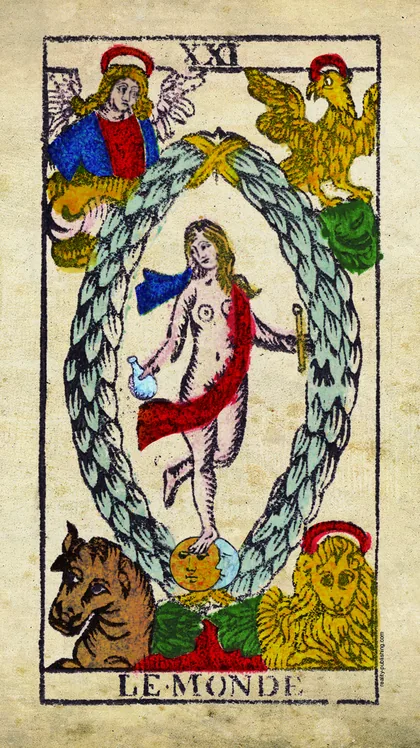
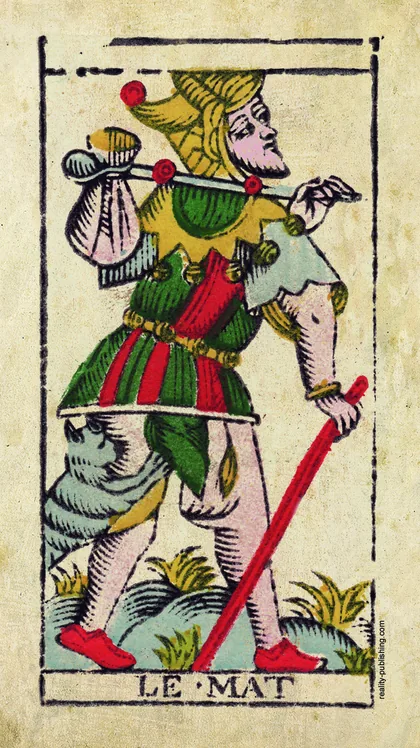
Tarot de Marseille: Nicolas Conver, dated 1760, restored by the Tarot World Project, CC BY-SA 4.0 license, via Wikimedia Commons. Images resized and compressed by Versana; Marseille Minor Arcana diagrams and card back drawn by Versana.
Marseille and Rider-Waite
Three cards do not carry the same number in the two decks: Justice, Strength, and the Fool.
| Card | Tarot de Marseille | Rider-Waite |
|---|---|---|
| Justice | VIII | XI · Justice |
| Strength | XI | VIII · Strength |
| The Fool | unnumbered | 0 · The Fool |
| Death | XIII | XIII · Death |
The numbers are not the same from one tradition to the other. In Marseille, Justice is numbered VIII and Strength XI; in the Rider-Waite, Strength is VIII and Justice is XI. The Fool, for its part, carries no number in Marseille, while the Rider-Waite places it at zero. Each card page shows both numberings side by side.
Frequently asked questions about the Major Arcana
What are the Major Arcana?
The Major Arcana are the twenty-two cards with a grand subject in the tarot, as opposed to the fifty-six minor cards. Each is an image in its own right, often a figure or a symbol. Many readers see them as the high points of a spread, the ones that set the tone of the reading.
Why do Strength and Justice change numbers?
The two traditions did not make the same choice. In Marseille, Justice is the eighth card and Strength the eleventh; the Rider-Waite swapped the two, with Strength becoming the eighth. The cards are the same, only their place in the sequence changes, and each page specifies the numbering used.
Does the Fool have a number?
In Marseille, the Fool carries no number: it is often placed at the start or at the end of the journey, depending on usage. The Rider-Waite gives it zero and opens the sequence with it. Its position therefore varies by tradition, which makes it a card apart in the sequence of twenty-two.
Do you need to learn the 22 cards by heart?
There is no need to memorize them to begin. A spread relies on the image, the card’s position, and its neighbors, and the card pages are there to find a meaning when you need it. With time, some cards become familiar without effort, like faces you have seen often.