Tarot: meaning of the 78 cards, spreads, and method
Tarot is a deck of seventy-eight cards that helps you lay a situation out clearly: you draw, you read, you reflect.
By Thomas Guilhot · updated
Shuffle, choose your cards face down, read the composed reading: everything happens in your browser.
Which spread for which question?
A spread places a few cards on the table, each in a position that sharpens the question: one card for the day, three for a journey, more for a situation explored in depth.
The cards, one by one
Every card has its own page: the artwork described, the upright meaning, the reversed reading, then possible pairings with the other cards.
- IThe Magician
- IIThe High Priestess
- IIIThe Empress
- IIIIThe Emperor
- VThe Hierophant
- VIThe Lovers
- VIIThe Chariot
- VIIIJustice
- VIIIIThe Hermit
- XWheel of Fortune
- XIStrength
- XIIThe Hanged Man
- XIIIDeath
- XIIIITemperance
- XVThe Devil
- XVIThe Tower
- XVIIThe Star
- XVIIIThe Moon
- XVIIIIThe Sun
- XXJudgement
- XXIThe World
- unnumberedThe Fool



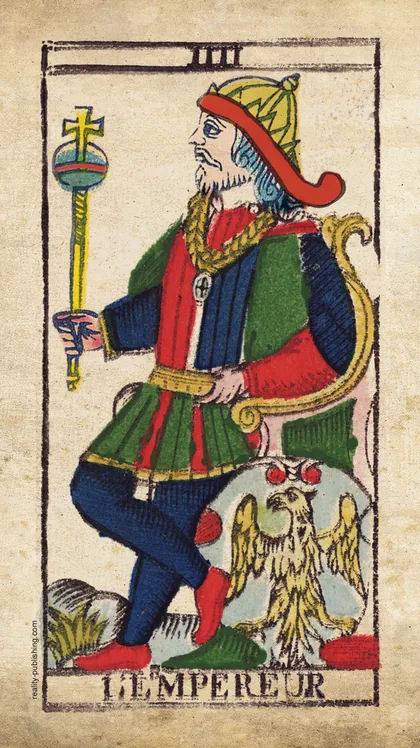
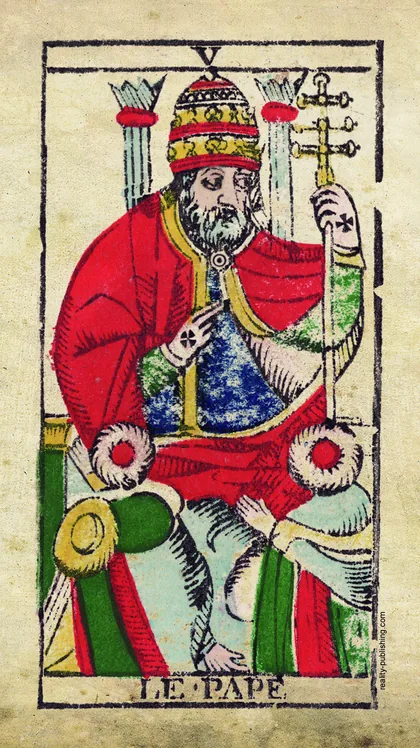
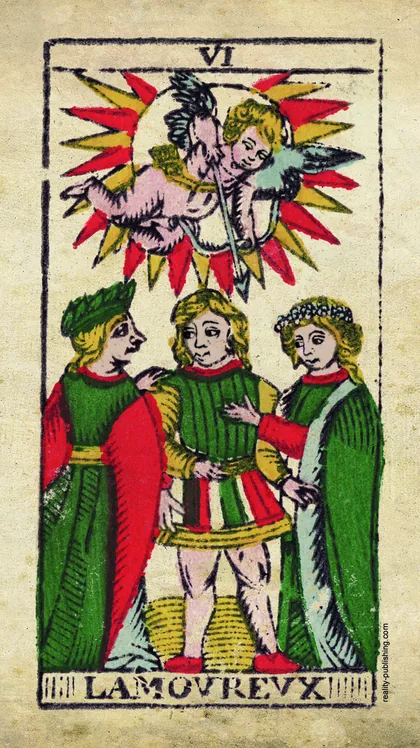
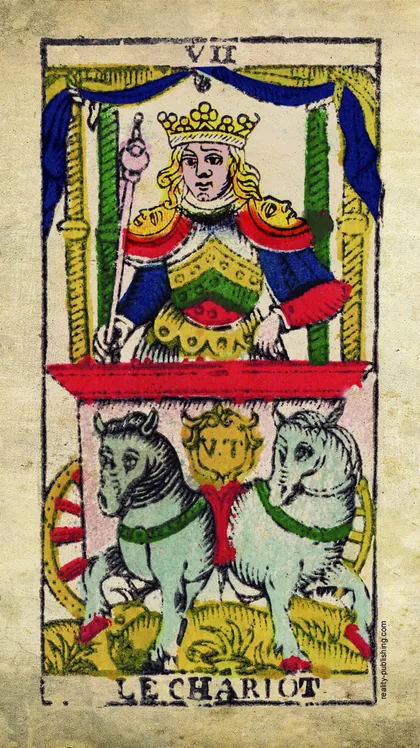
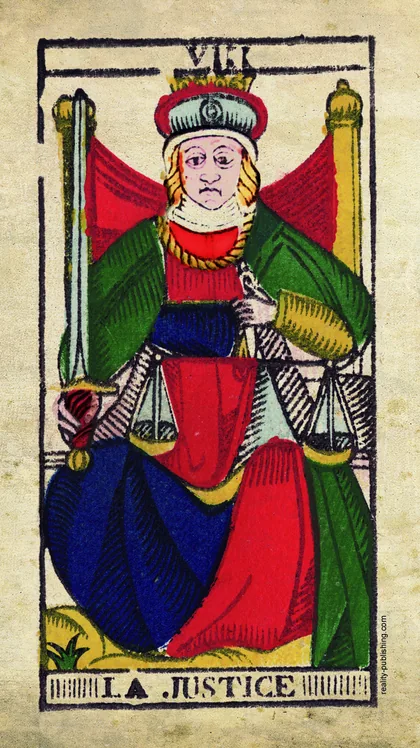
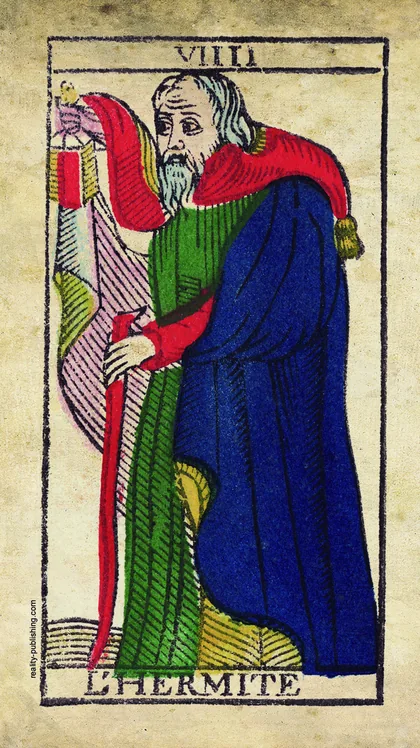
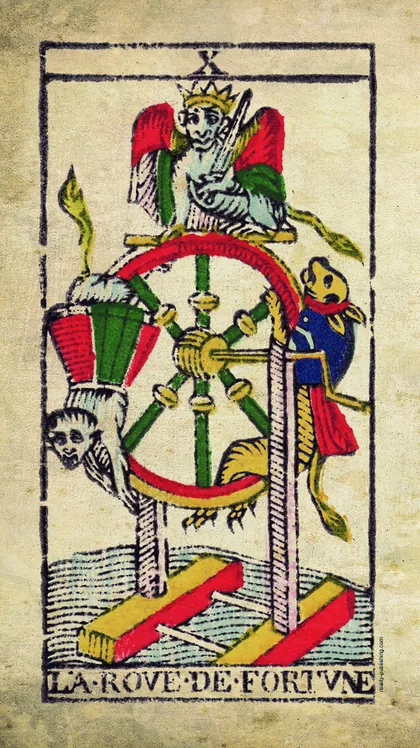
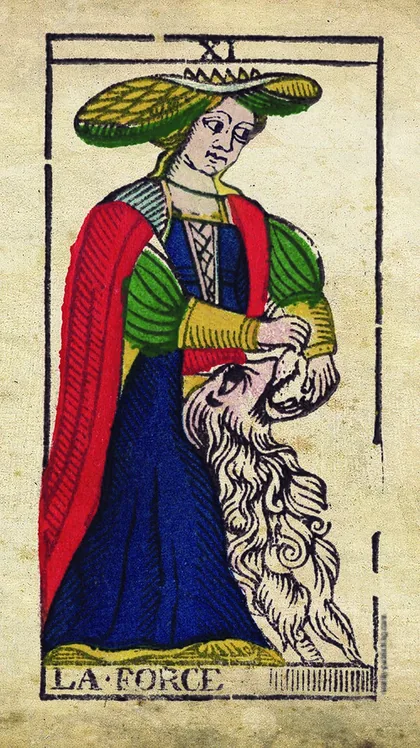
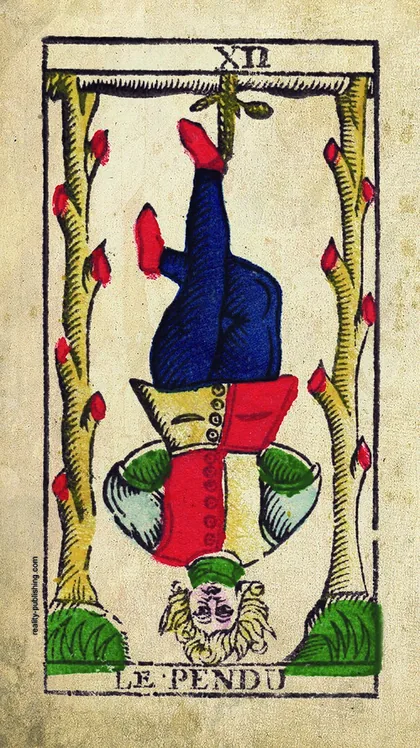
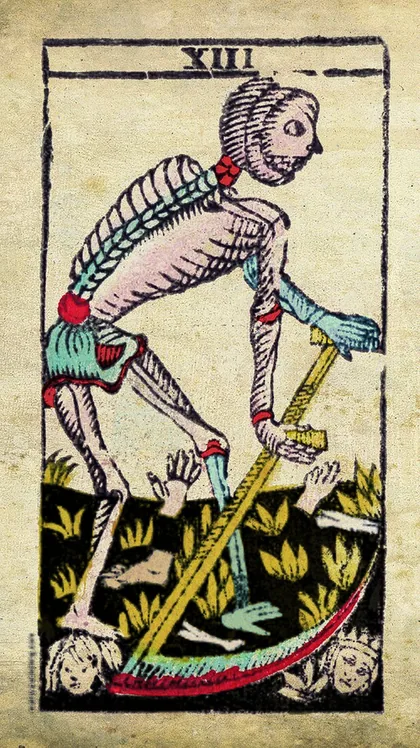
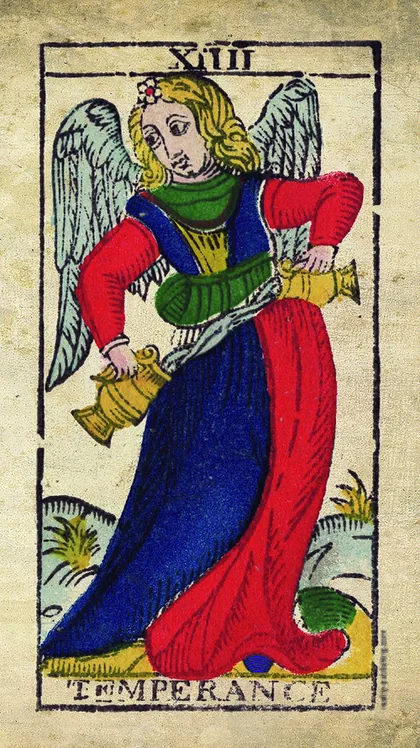
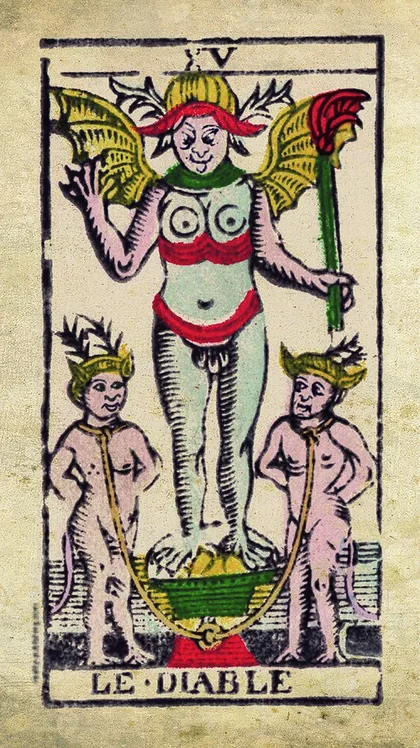
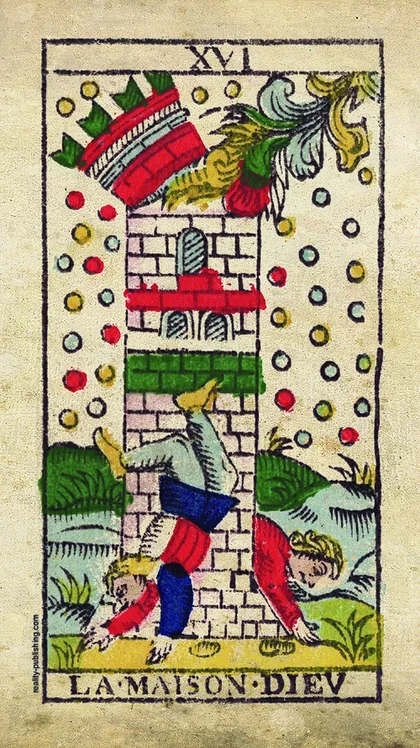
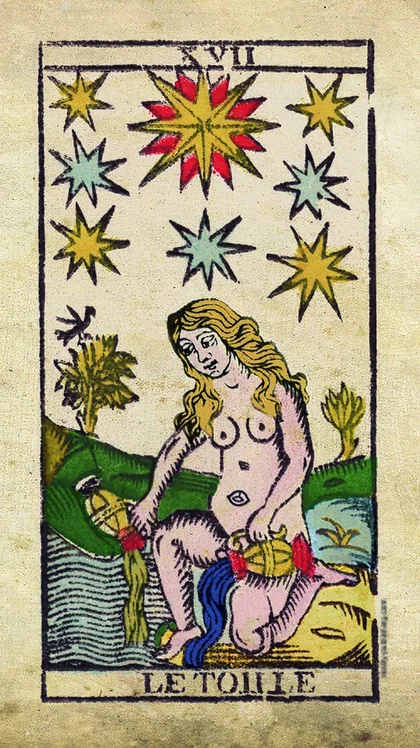
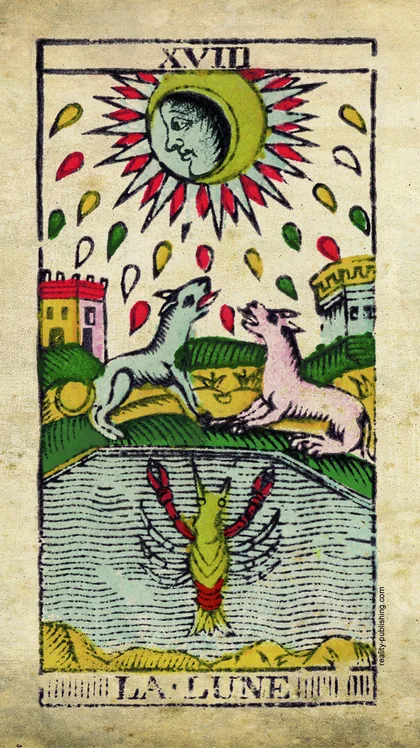
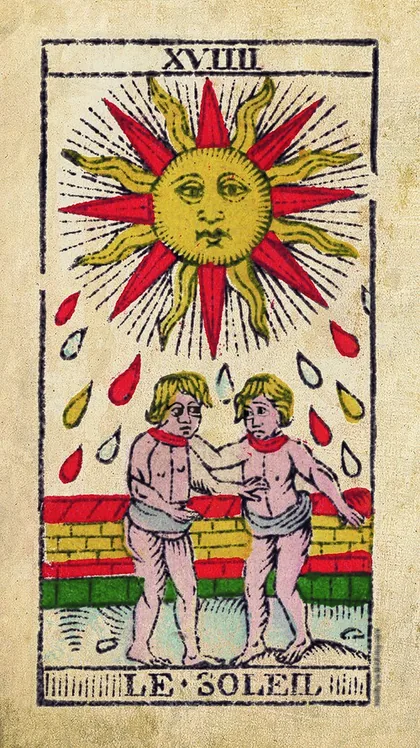
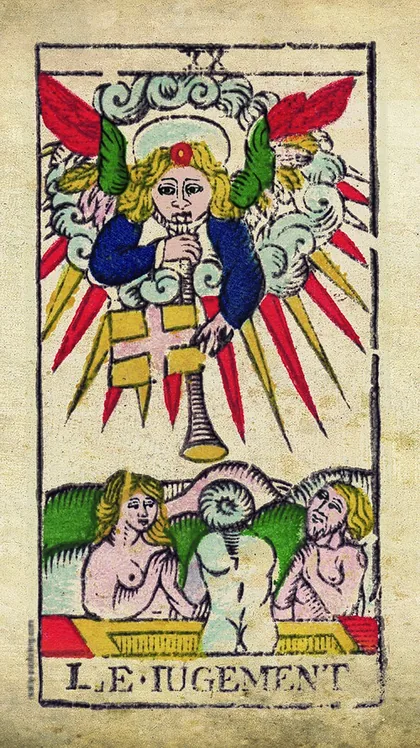
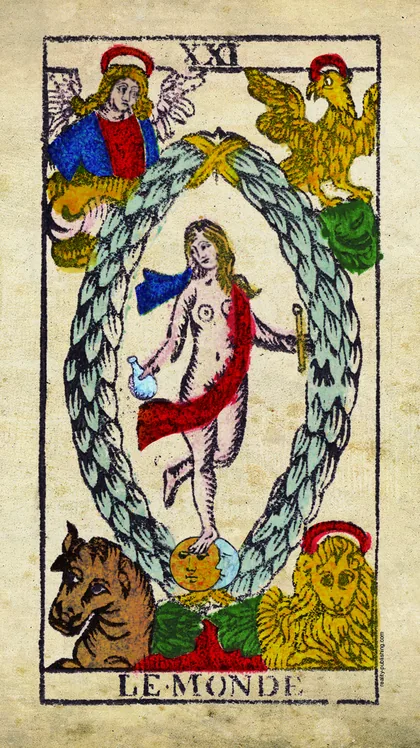
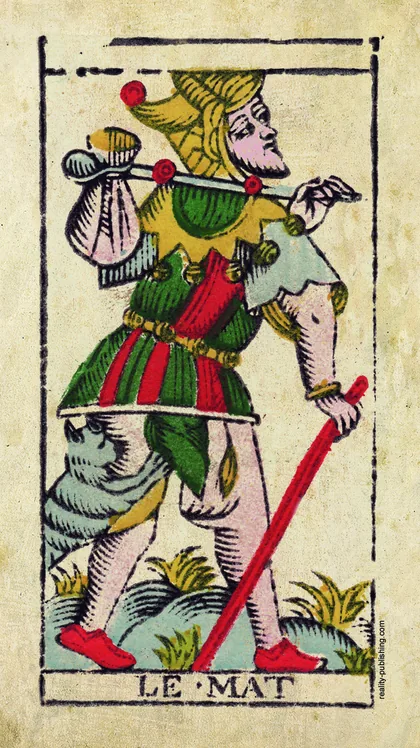
Tarot de Marseille: Nicolas Conver, dated 1760, restored by the Tarot World Project, CC BY-SA 4.0 license, via Wikimedia Commons. Images resized and compressed by Versana; Marseille Minor Arcana diagrams and card back drawn by Versana.
Four suits, four elements
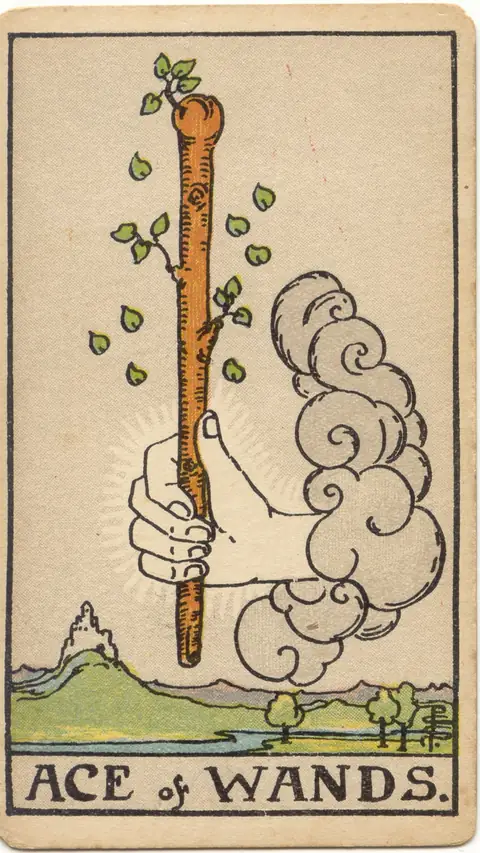
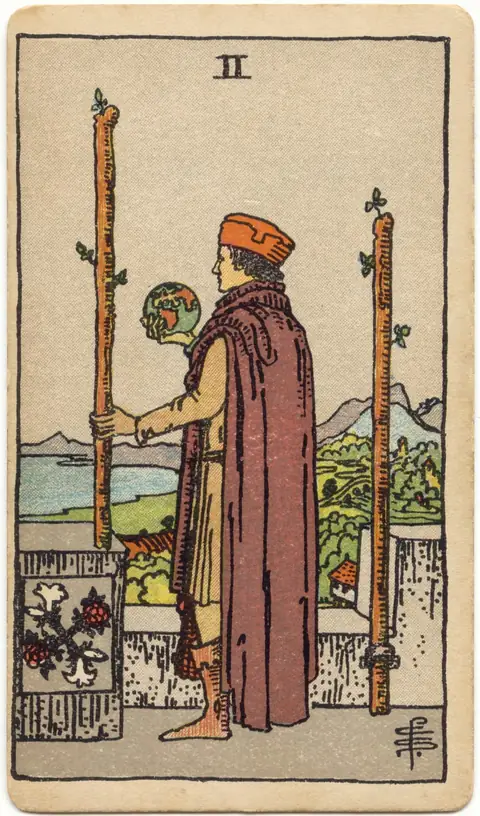
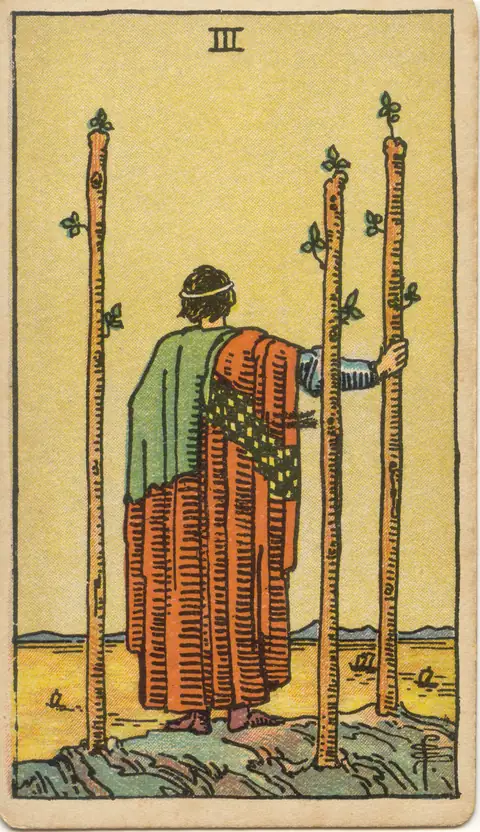
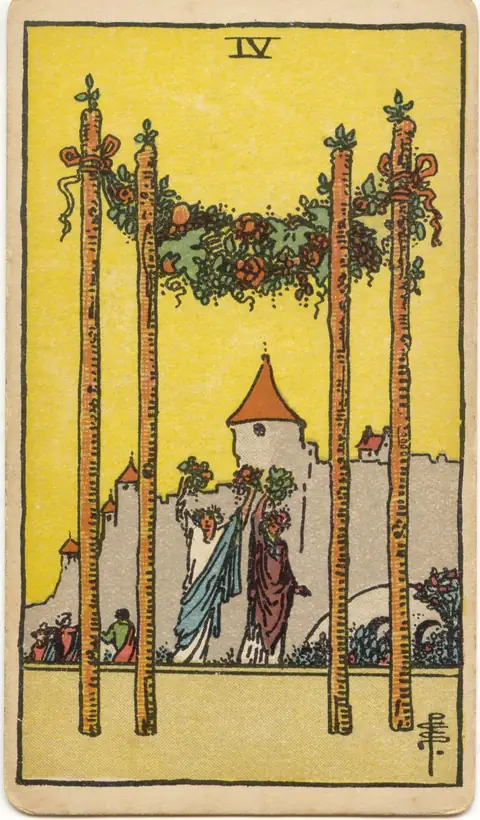
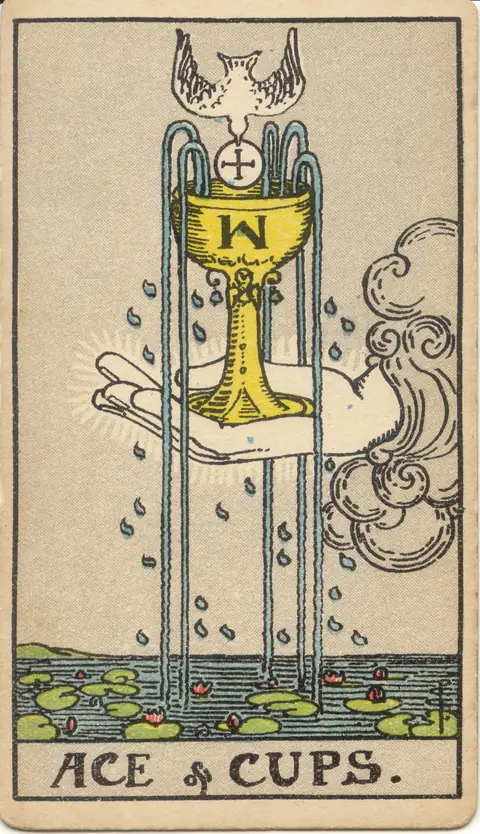
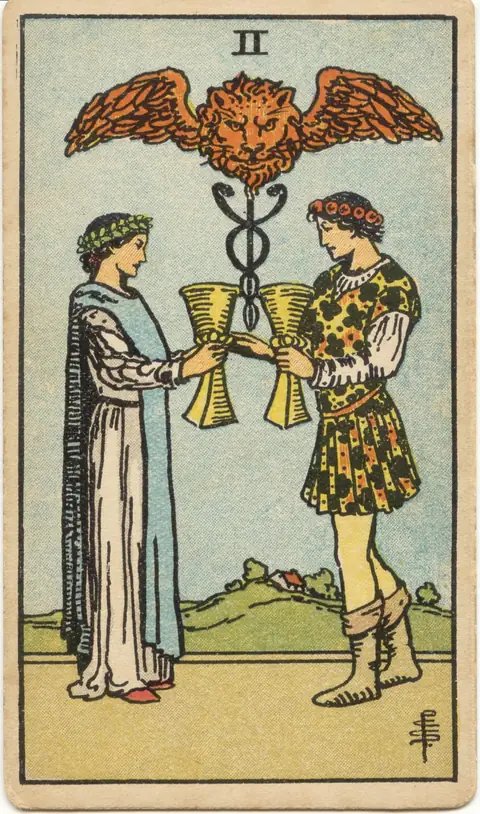
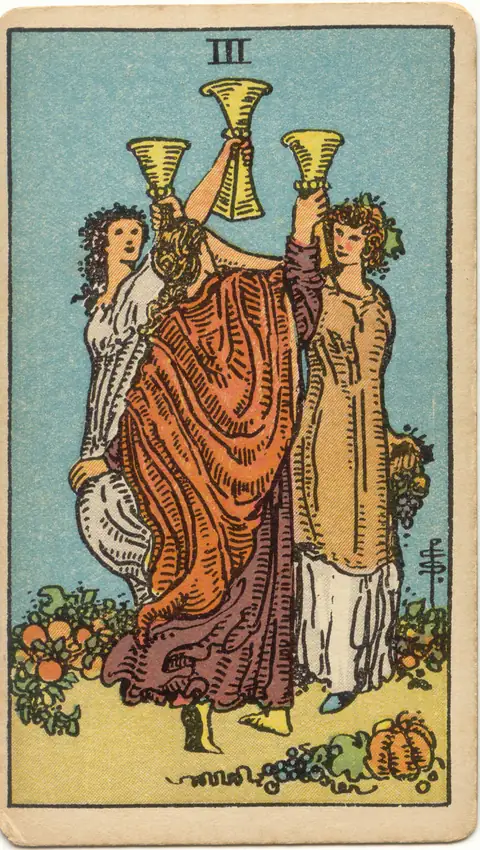
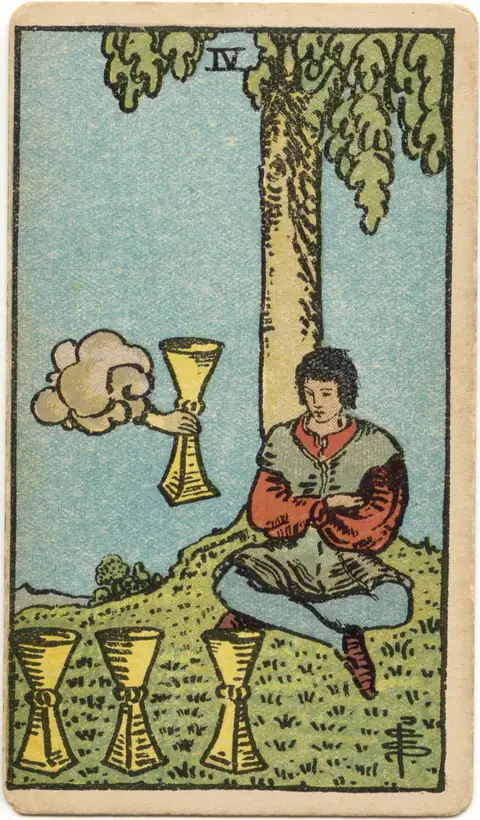
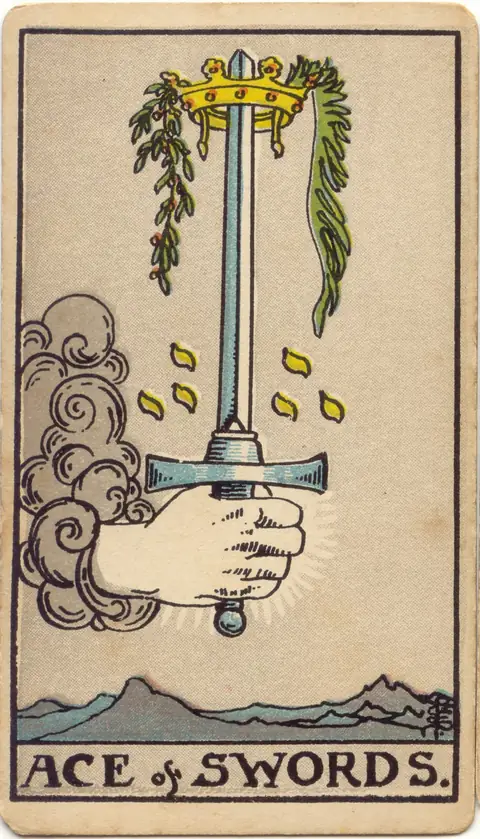
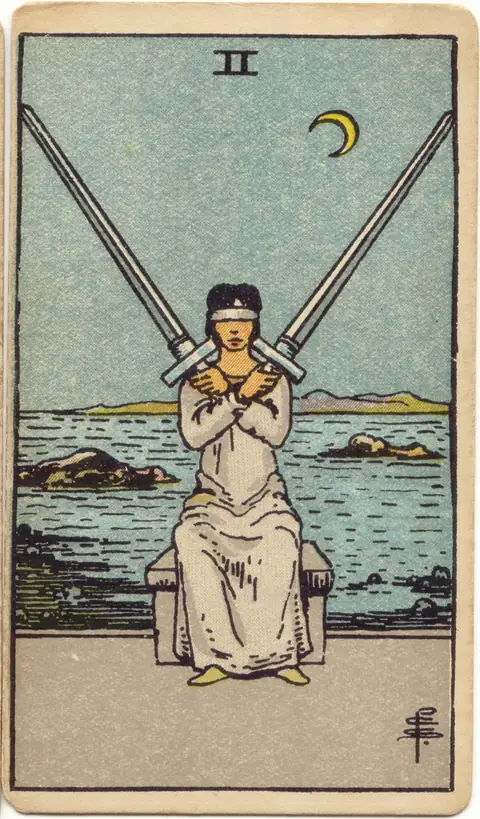
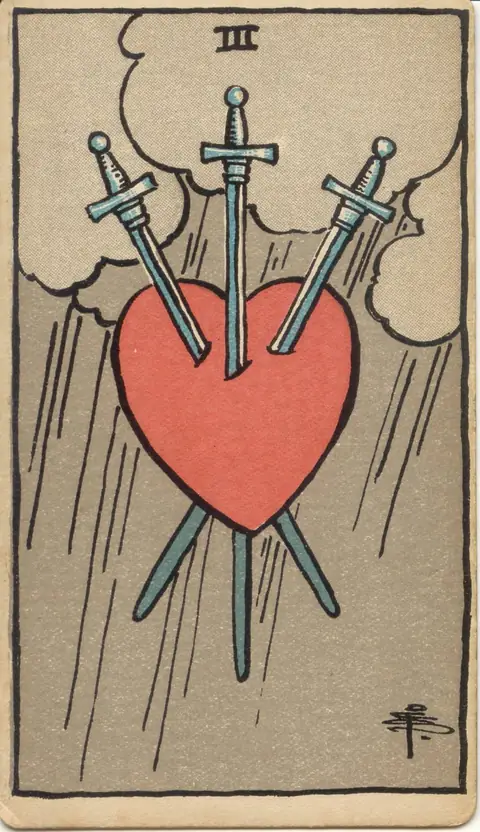
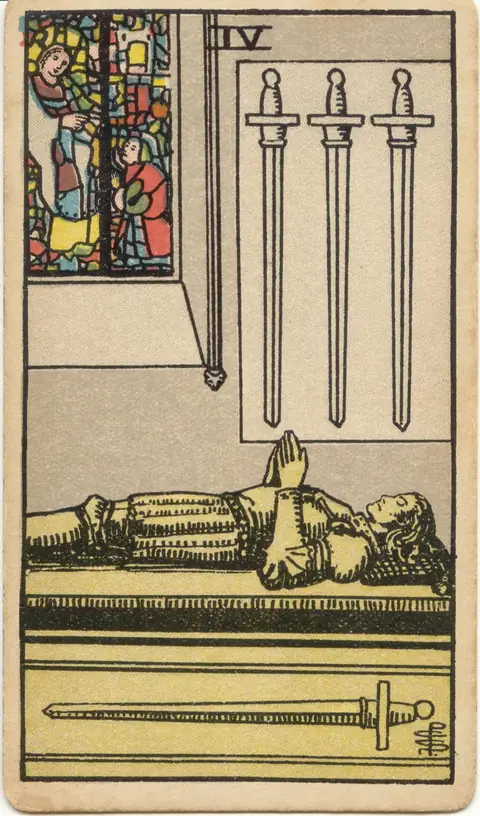
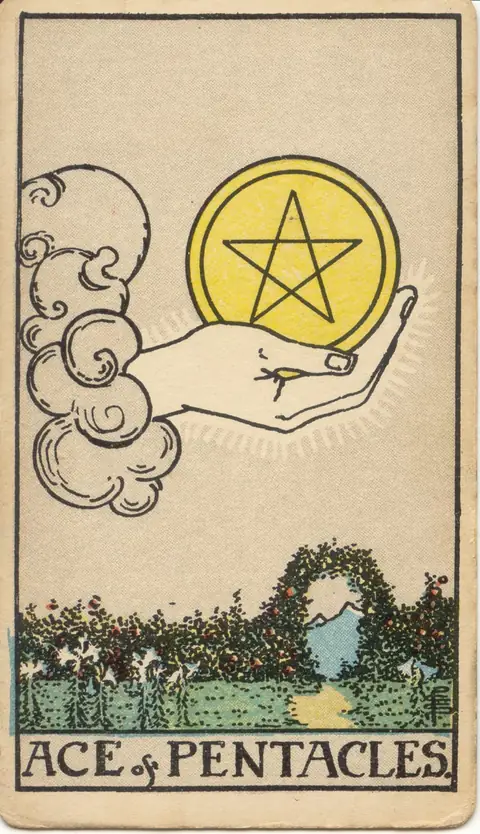
Wands, cups, swords, and pentacles organize the numbered cards: four families, each with its element and its way of acting.
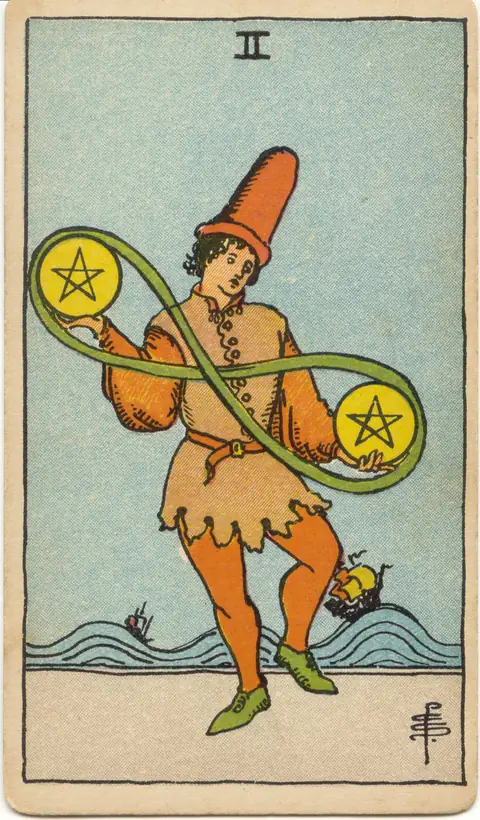
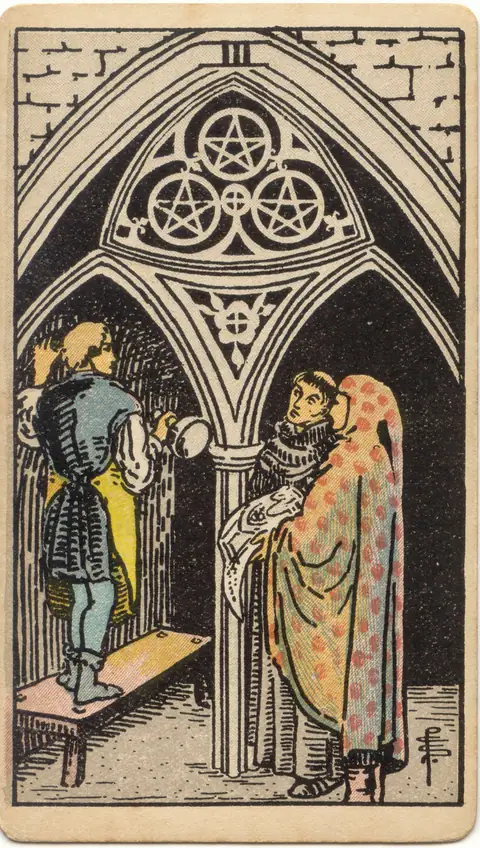
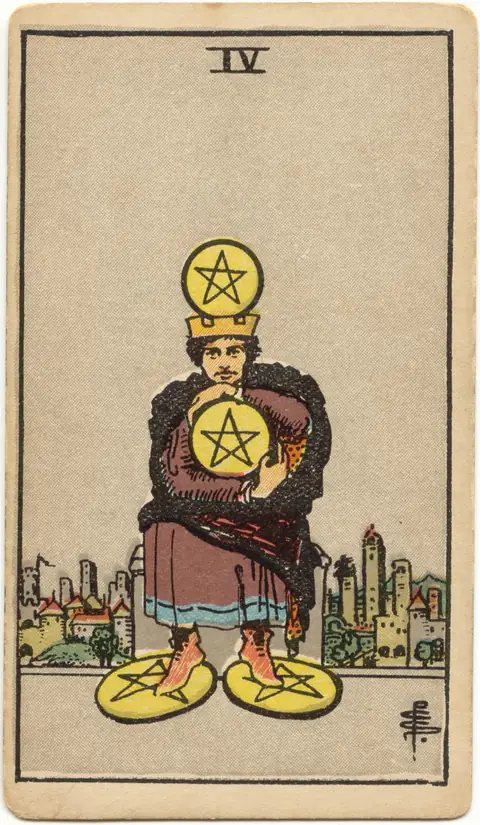
Understanding tarot
The Tarot de Marseille and the Rider-Waite tell the same cards with different images; each page lets you switch from one tradition to the other.
- Tarot de MarseilleThe Tarot de Marseille: its 22 Major Arcana (Conver’s cards, dated 1760), its 56 Minor Arcana, its history, and how to read it.
- Rider-WaiteThe Rider-Waite tarot, drawn by Pamela Colman Smith in 1909: 78 illustrated cards, Strength and Justice swapped, reversals read.
- Tarot divinationWhat is called tarot divination: where the practice comes from, what a reading can offer, and what it does not say.
Tarot offers an image to reflect on, not a prediction: Versana announces no event, no date, and no answer in your place.
Frequently asked questions about tarot
Is the tarot reading free?
The spread is free: you choose a type of spread, the cards are shuffled, you turn over the ones that draw you, and a composed reading appears. The page for each card can be browsed freely, to go deeper into a card that speaks to you.
Does tarot predict the future?
Tarot predicts nothing. It is read like a mirror: each card offers an image, and that image invites you to look at a situation, a way of acting, a tension, or a resource. What you take from it remains your interpretation, and no reading fixes what must happen.
Should you read reversed cards?
It is a reading choice, adjustable on this site. Reading cards reversed adds a nuance to each card: the same theme, lived differently. If you are a beginner, you can first read everything upright, then turn on reversals once the basic meanings feel familiar.
Marseille or Rider-Waite: which deck should you choose?
The Tarot de Marseille shows the twenty-two Major Arcana as drawn images and, for the minor cards, patterns without a scene. The Rider-Waite illustrates each card with a small story. The first leaves room for interpretation, the second guides the eye; try both to see which one speaks to you.
What is the tarot birth card?
The birth arcana links your date of birth to one of the twenty-two Major Arcana. Many readers take it as a reference card, one that inspires reflection on their ways of acting, without deciding anything for you.