Swords in tarot: the 14 cards and their meaning
Swords are the suit of thought: ideas, words, and decisions, with their tensions and their clarity.
- thought
- speech
- decision
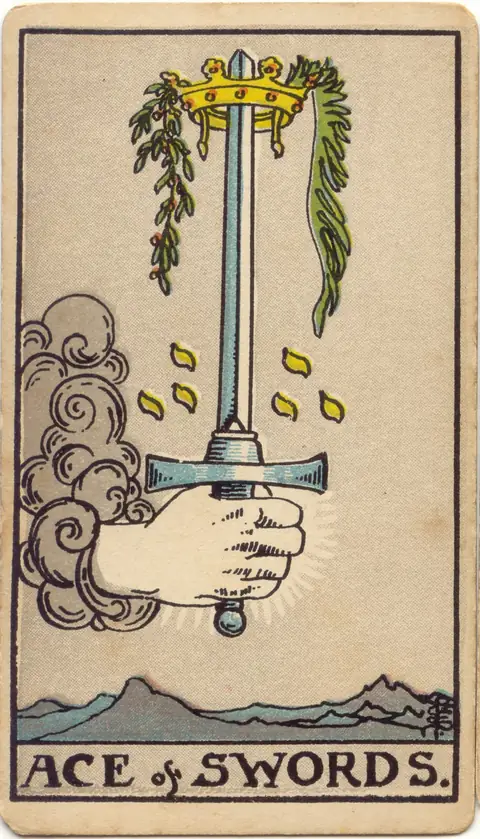
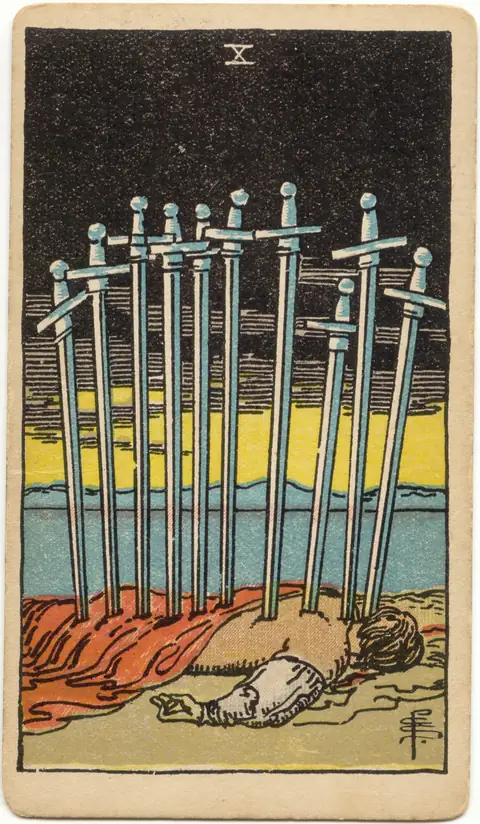
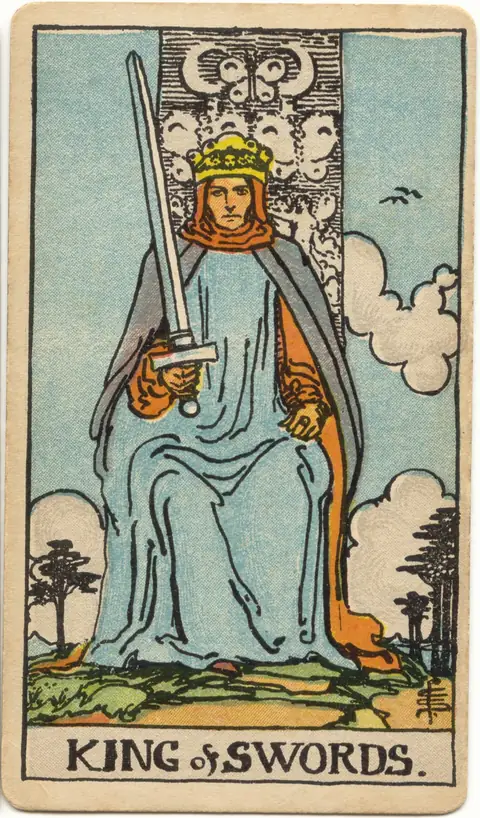
Swords at a glance
When swords dominate a spread, the question runs through the mind: a decision to make, a word to say, or a doubt.
- Element
- Air
- Domain
- Thought, choices, and words
- Rider-Waite
- Swords
- Cards
- 10 numbered, 4 court cards
By Thomas Guilhot · updated
Swords in a reading
Many cards from the suit
When many swords come out, the reading naturally turns to the mind: thoughts going around, words to say, a choice to make. These cards describe a situation, never a fixed fate.
A single card from the suit
A single sword reads like a ray of light on a precise point: a question to clarify, a word to weigh, a decision that is waiting. Its place in the spread sets its scope.
With the Major Arcana
Next to a Major Arcana, a sword puts words on its theme: it invites you to name, to compare, to decide. It gives the grand image a more practical edge.
The progression from 1 to 10
The ace raises the sword like a clear idea, the following cards confront it with doubt, conflict, or weariness, and the ten shows its weight: how far a line of reasoning can go.
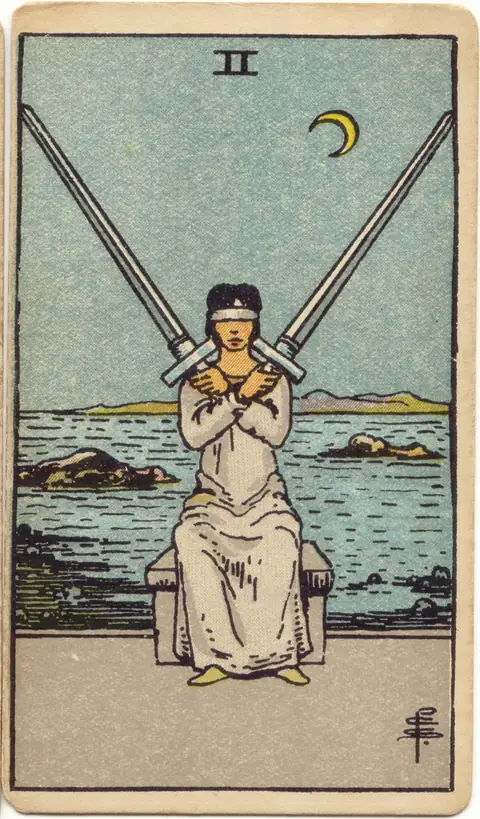
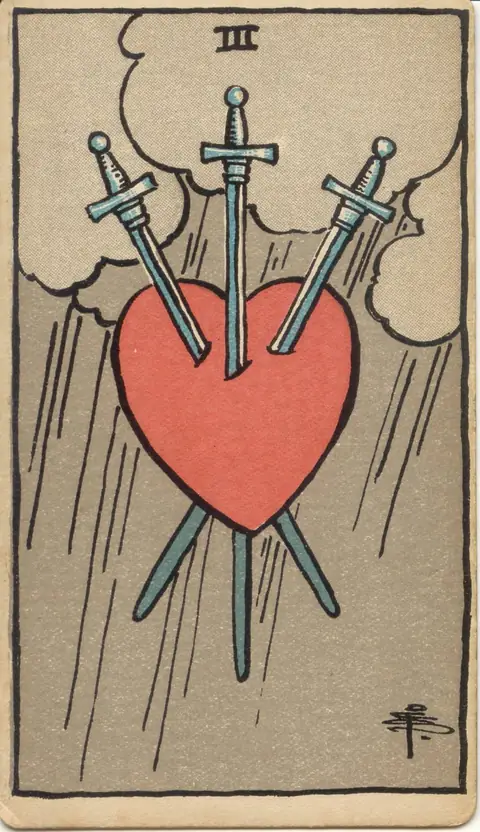
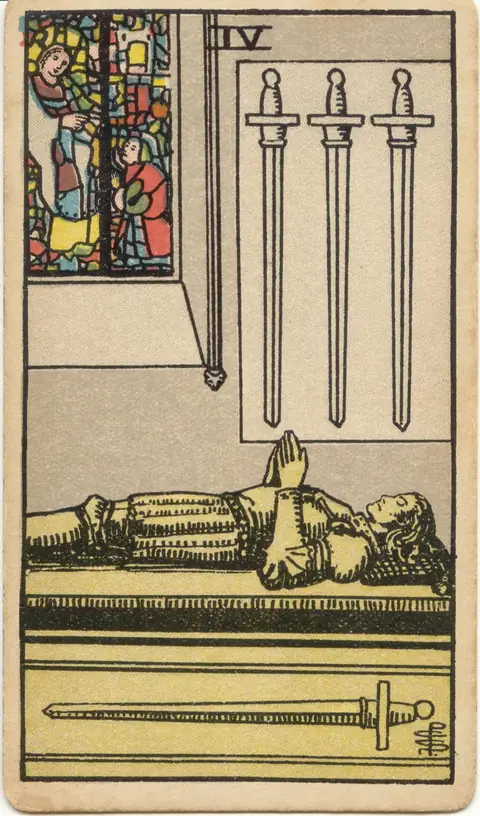
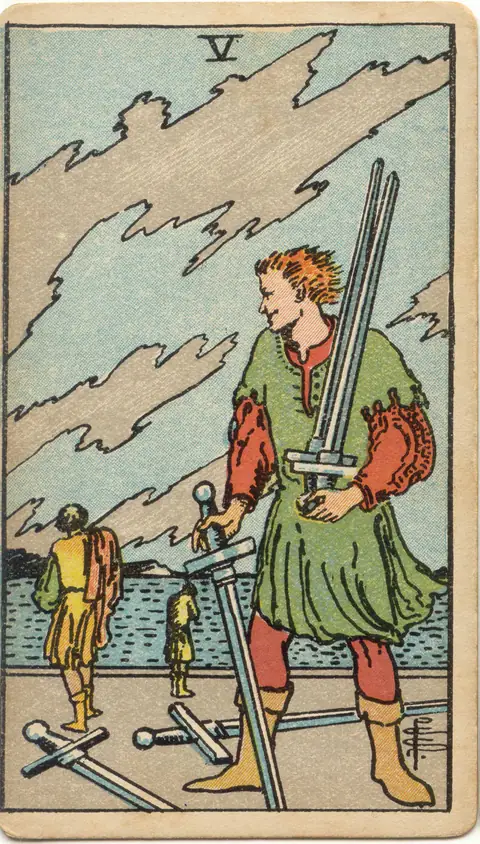
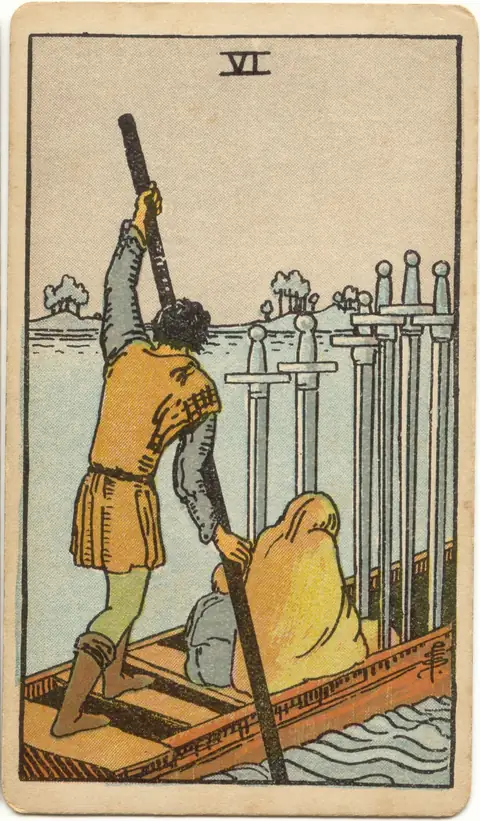
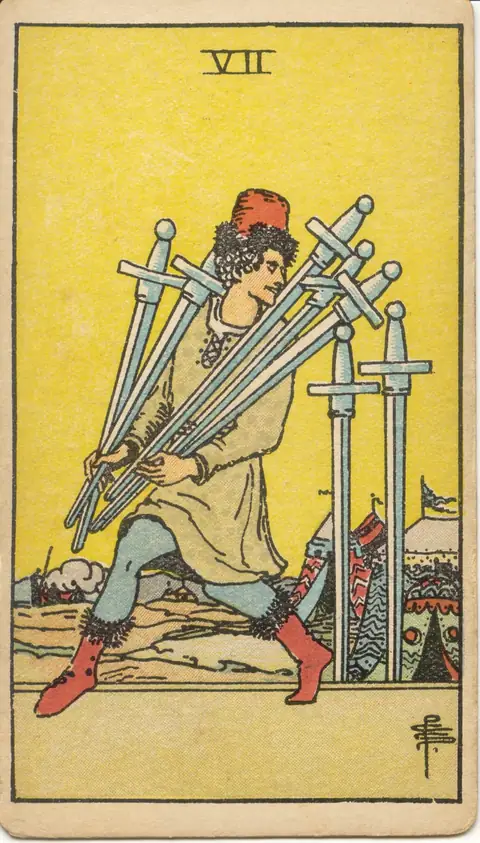
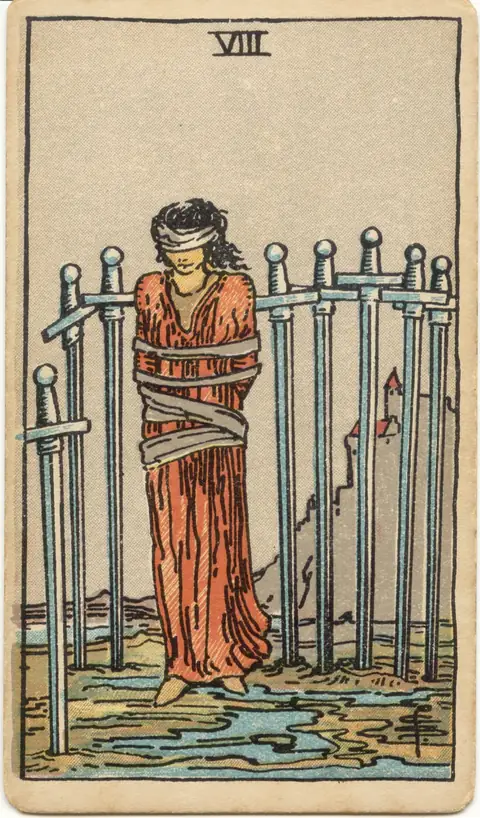
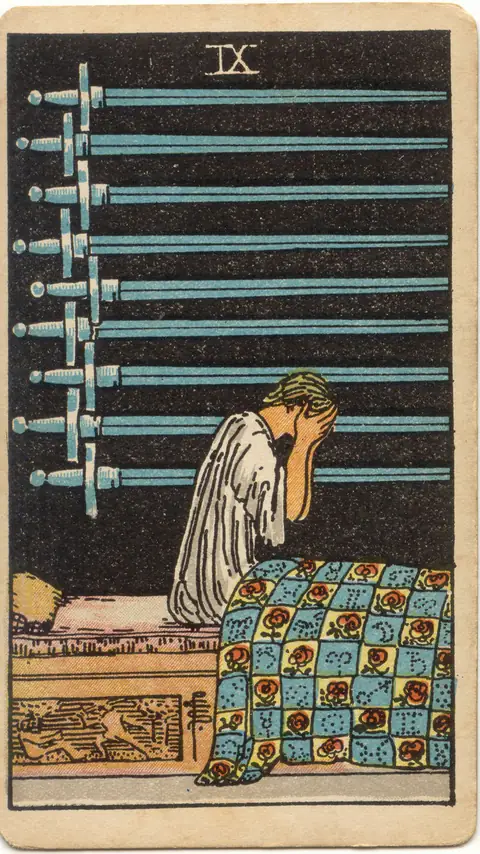
Four ways to act
Page, knight, queen, and king name four ways of handling an idea: testing it, launching it, judging it, cutting through with it. Ways of doing things, nothing like a portrait.
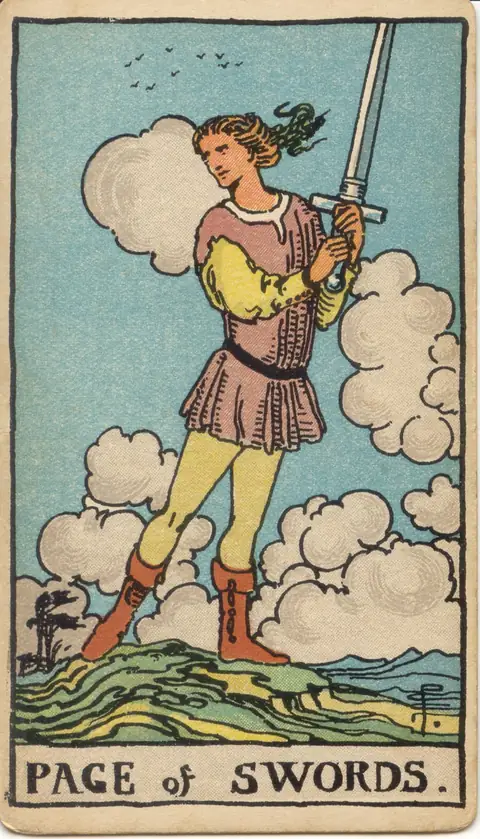
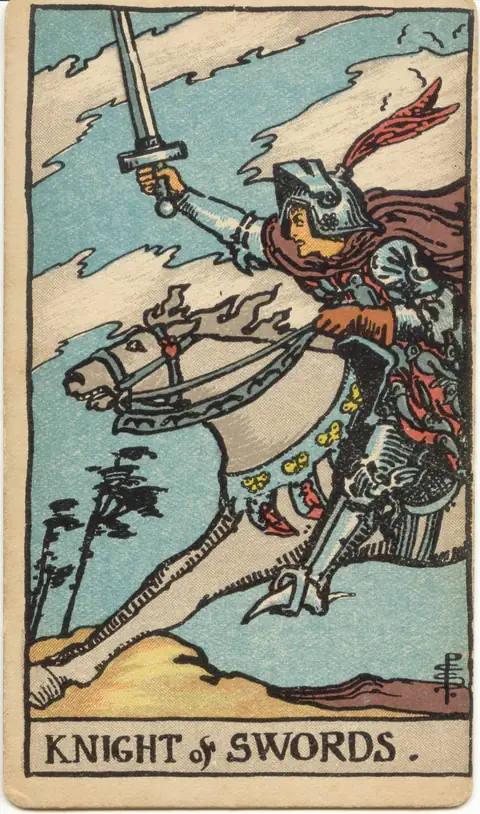
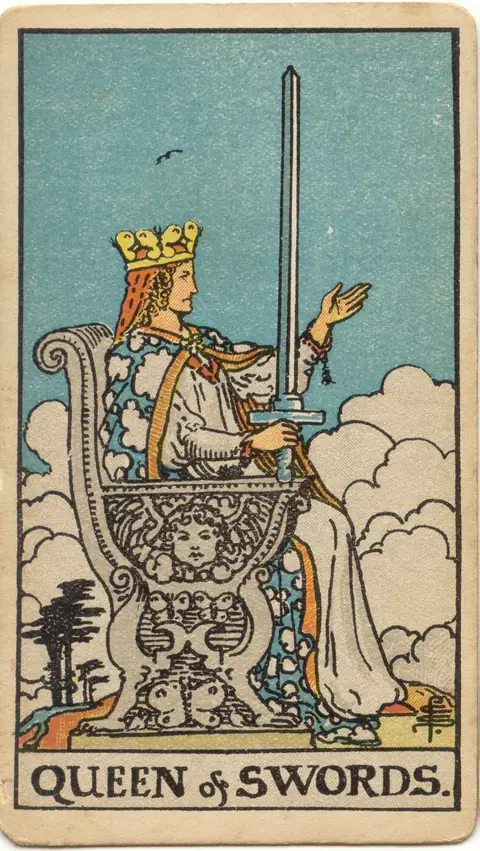
Rider-Waite: drawings by Pamela Colman Smith, 1909, public domain, via Wikimedia Commons. Images resized and compressed by Versana; Marseille Minor Arcana diagrams and card back drawn by Versana.
Frequently asked questions about the Swords
What do the Swords represent in tarot?
Swords are the suit of thought: the suit of speech, discernment, and decision. They speak of clarity, of inner or shared debates, of choices to make. Their images can seem harsh, but they are read as situations of the mind, not as bad omens.
Which element goes with the Swords?
Swords are associated with air, the element of what circulates, is said, and is thought. This pairing is traditional: it helps you remember the meaning of the suit, but it does not carry over card by card and does not apply to the court cards taken in isolation.
How do you read the progression from ace to ten?
Climbing toward the ten, the sequence moves from the clear idea to its consequences: doubt, tension, withdrawal, then a weighing load. Many readers see this path as a lesson about thoughts that pile up. Each card sheds light on one moment, and the spread decides the rest.