Tarot de Marseille: the 78 cards and how to read them
The Tarot de Marseille is the classic deck of images read through gesture, color, and number.
By Thomas Guilhot · updated

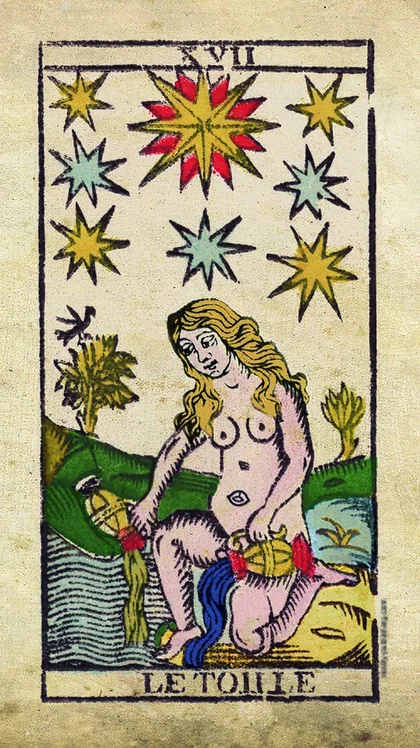
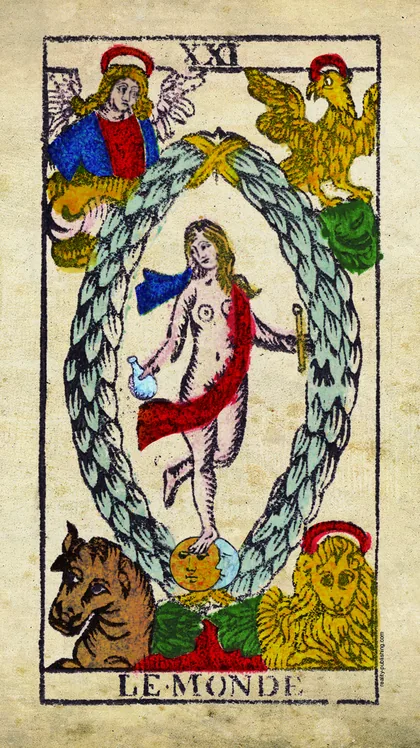
Tarot de Marseille at a glance
A deck of flat color, where each image is read through its gesture, its number, and its place in the spread.
- Cards
- 22 Major, 56 Minor Arcana
- Version shown
- Conver, dated 1760
- Minor Arcana
- Repeated pips
- Reversals
- Often not read
By Thomas Guilhot · updated
Conver’s 22 cards
Seventy-eight cards: twenty-two numbered Major Arcana and four suits of fourteen cards, wands, cups, swords, and coins, whose minor cards show patterns without a scene.
- The Magician
- The High Priestess
- The Empress
- The Emperor
- The Hierophant
- The Lovers
- The Chariot
- Justice
- The Hermit
- Wheel of Fortune
- Strength
- The Hanged Man
- Death
- Temperance
- The Devil
- The Tower
- The Star
- The Moon
- The Sun
- Judgement
- The World
- The Fool


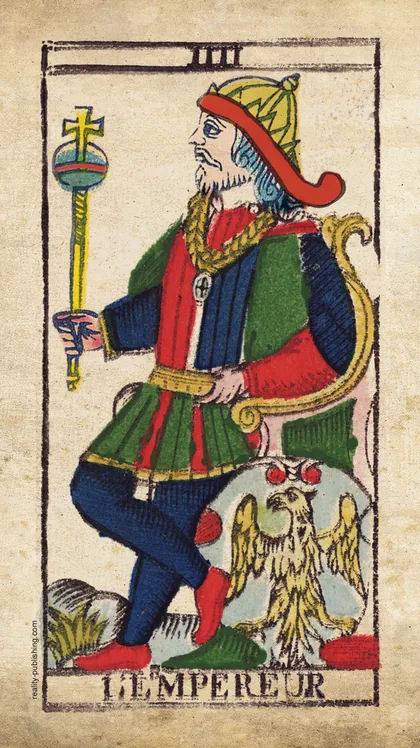
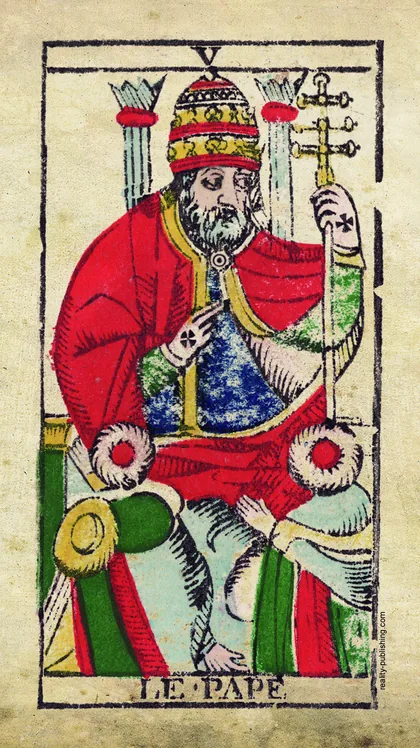
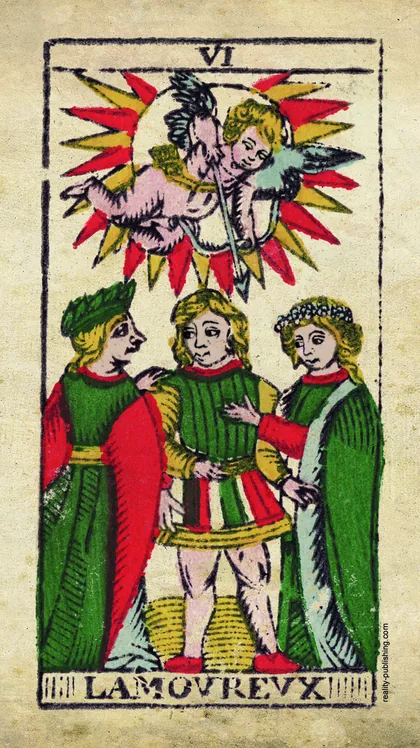
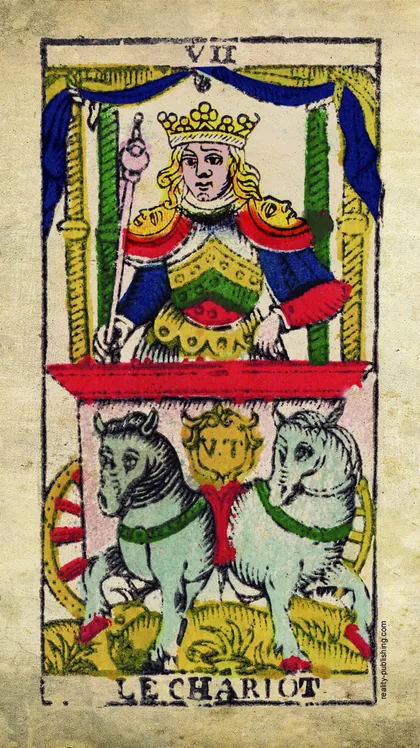
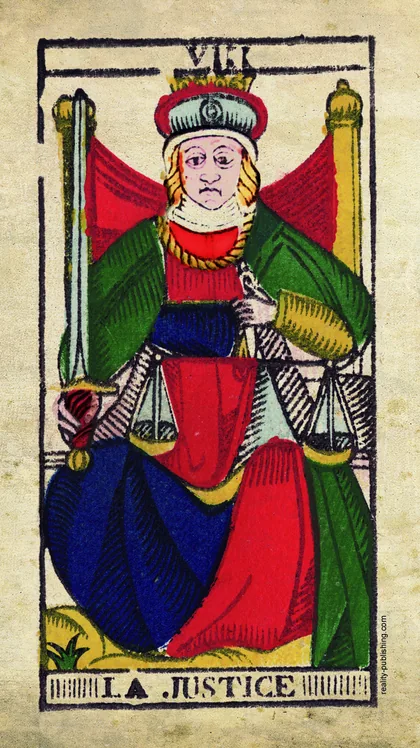
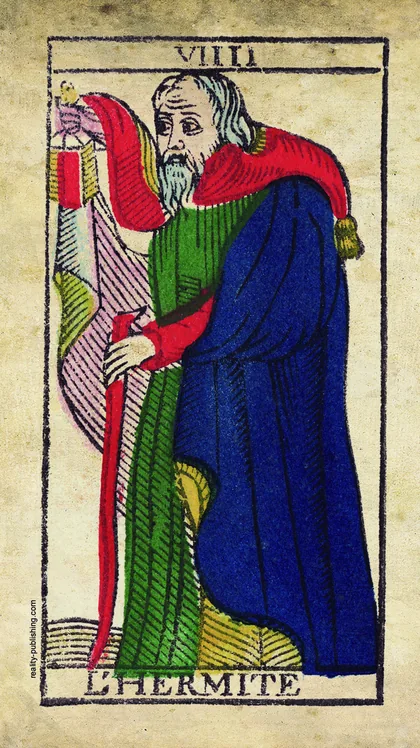
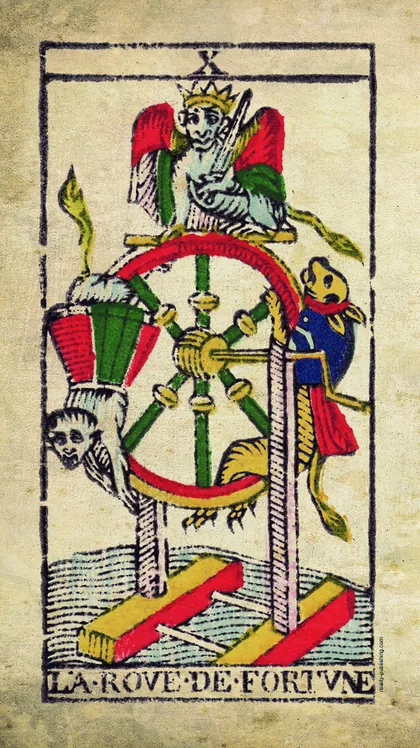
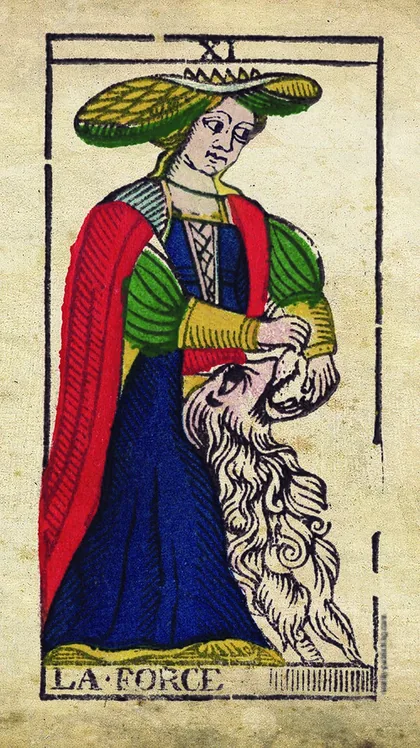
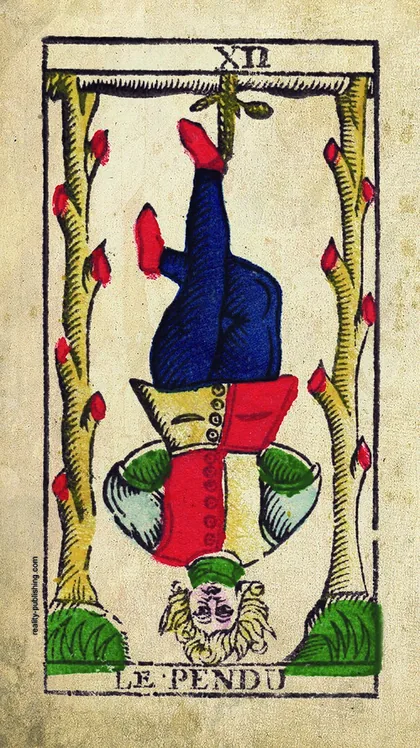
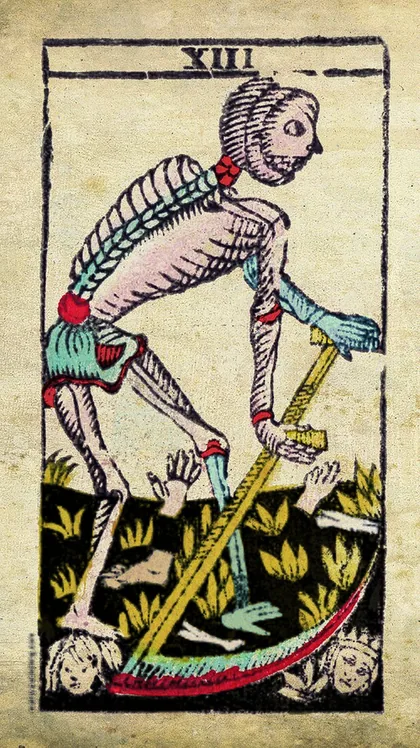
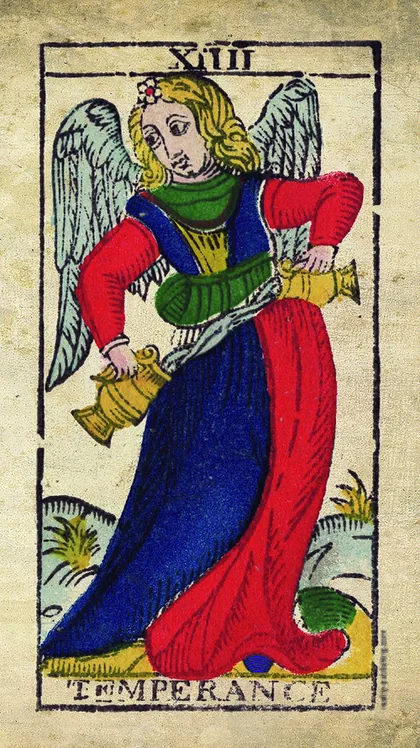
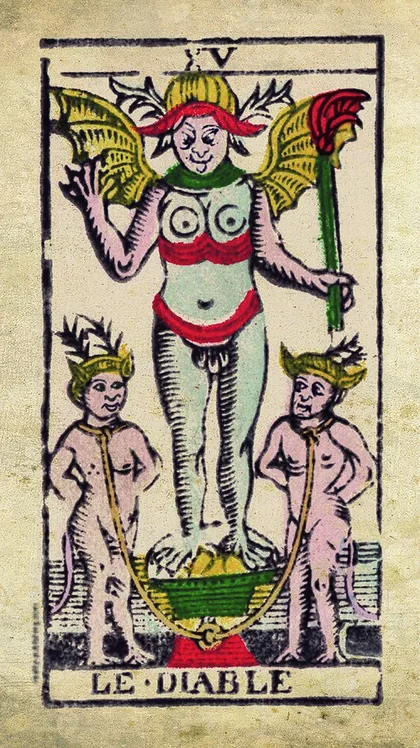
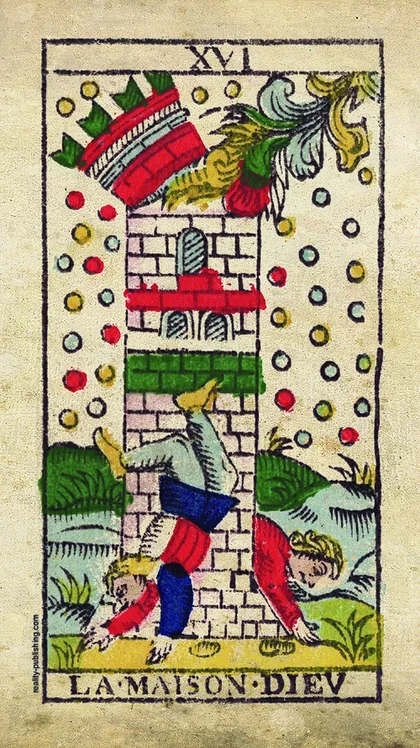
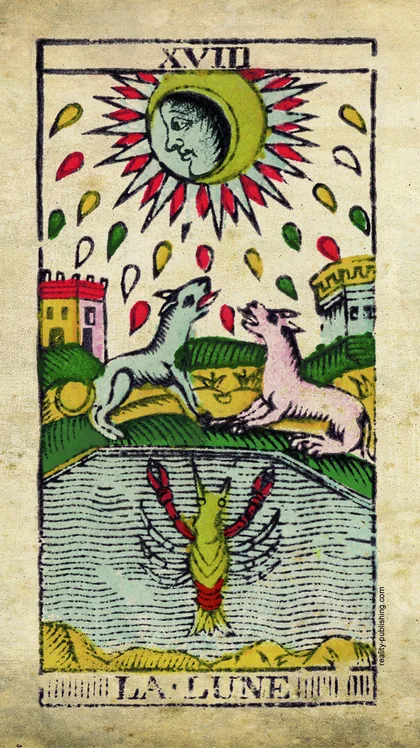
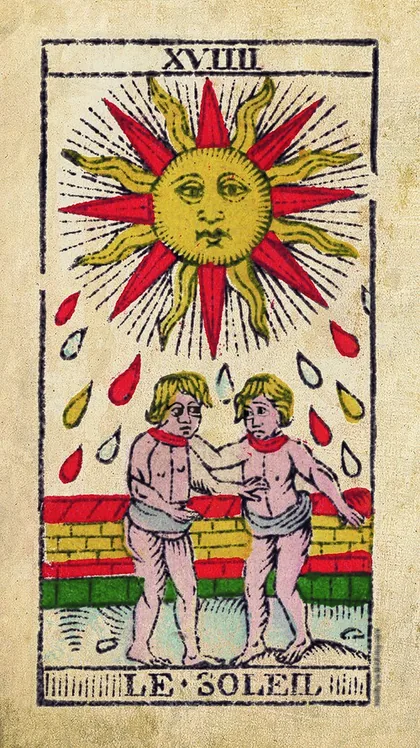
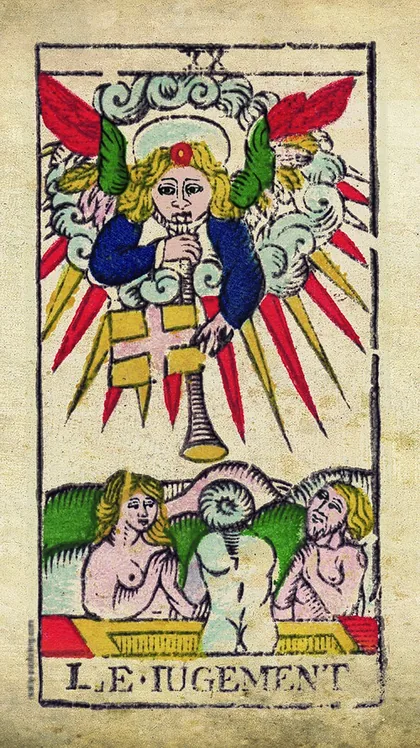
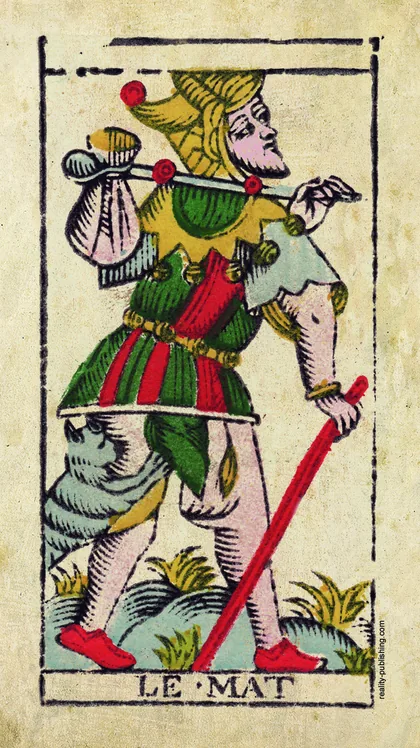
Tarot de Marseille: Nicolas Conver, dated 1760, restored by the Tarot World Project, CC BY-SA 4.0 license, via Wikimedia Commons. Images resized and compressed by Versana; Marseille Minor Arcana diagrams and card back drawn by Versana.
The key stages
A deck of long tradition, passed down in similar forms from one workshop to the next; its exact origins remain debated, and this page puts forward no date.
Origins
The images are first those of a card game: numbered cards, suits, and court figures, recognizable from one copy to the next.
The deck takes shape
Over time, the Major Arcana drew the attention of readers, who see in them symbolic stages rather than simple trumps.
Reading
The minor cards remained suit patterns: you read their number and their suit, with no scene to describe.
Today
Today, the deck serves as a reading tool: each person looks in it for images to interpret, following a reported tradition rather than a rule.
How to read it
The image
Start by describing what you see: gestures, colors, objects, the direction of the gaze. The Major Arcana offer a scene seen head-on; the minor cards, suit patterns that you read mostly through their number.
The number
Each card carries a number, a reference point for reading: from zero to twenty-one for the Major Arcana, from ace to ten for the minor cards. Many readers see in it a degree of progress, from the first impulse to its completion.
The position
A card’s place in the spread nuances its reading: the same image can describe a resource, an obstacle, or a question, depending on its position and the neighboring cards. Read the whole before the detail.
Frequently asked questions: Tarot de Marseille
Where does the Tarot de Marseille come from?
The deck belongs to an old tradition of printed cards, whose forms were passed down with variations. Its name evokes a city, but its exact origins remain debated; this page sets neither a date nor an author, so as not to claim anything that cannot be verified.
How many cards are in the deck?
The deck has seventy-eight cards: twenty-two Major Arcana, from zero to twenty-one, and fifty-six minor cards divided into four suits of fourteen cards each, with four court cards per suit: page, knight, queen, and king.
How does it differ from the other deck?
The main difference lies in the minor cards: here, suit patterns without a scene; there, a drawn image for each card. The Major Arcana echo each other in principle, but the artwork varies, and the Marseille deck is readily read through numbers and patterns.