- The situation
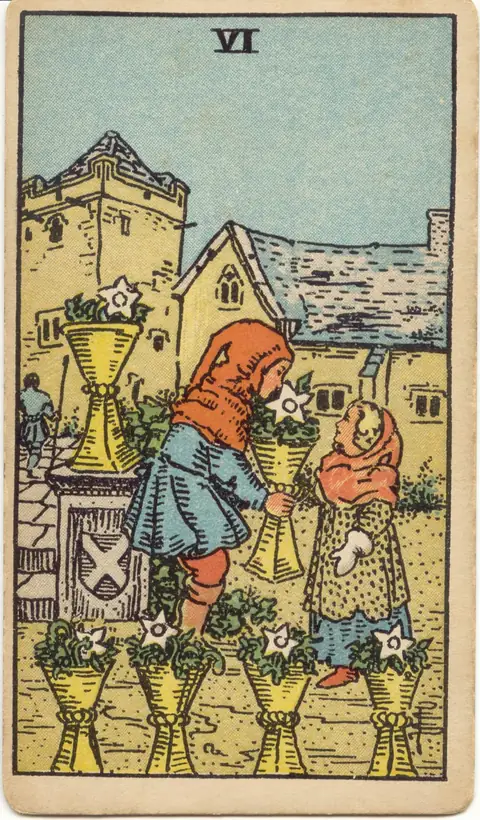
- The past surfaces: memories, habits, familiar places. The situation reads as a passage between what has been lived and what is opening.Reversed: The past takes up too much room: nostalgia holds back, and the situation stays attached to what was rather than to what is.
- What helps
- Memories serve as a foothold: they recall what mattered, nourish confidence, and give roots to what is being built.Reversed: Acknowledging the share of nostalgia serves as a foothold: naming it lets you keep it without letting it take all the room.
- What holds you back
- The obstacle could come from an attachment to the past: constantly comparing with what was can keep you from enjoying what presents itself.Reversed: Nostalgia holds back: attachment to what was becomes a weight, and the present no longer has the space to exist.
- Your way of being
- A way of being attentive to memory: remembering with tenderness, reconnecting with what mattered, passing on gently what you have received.Reversed: An attitude that takes refuge in memories: nostalgia holds back, and the present always seems less sweet.
- What connects you
- What connects reaches into the past: a shared history, shared memories, an old tenderness that asks to be tended today.Reversed: The connection stays attached to what was: you relive the good moments, and are slow to build something new.
- What is at stake
- What is at stake: honoring the past without staying in it. You hope to find a former sweetness, you fear the present will never equal it.Reversed: What is at stake: letting go of what holds back. The hope of recovering what was runs up against the fear of moving forward without landmarks.
- Where it can lead
- A passage could open: what was lived would serve as a base, and let you move calmly toward something else with more confidence.Reversed: An opening could come from loosening the past: the memory would remain precious, but would stop taking the place of the present.