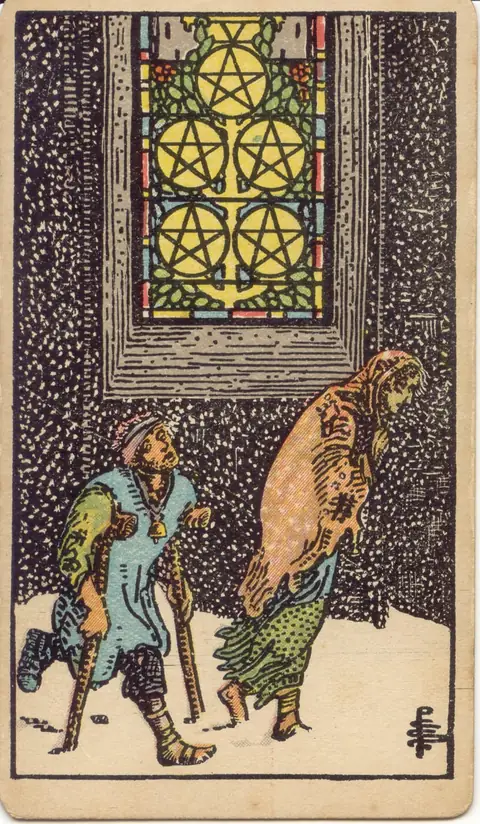
- The situation
- A cold passage, where resources seem counted and support far away. The situation weighs, but possible help is never entirely out of reach.Reversed: The situation eases: the difficulty loses some of its weight, and the help you were refusing becomes thinkable.
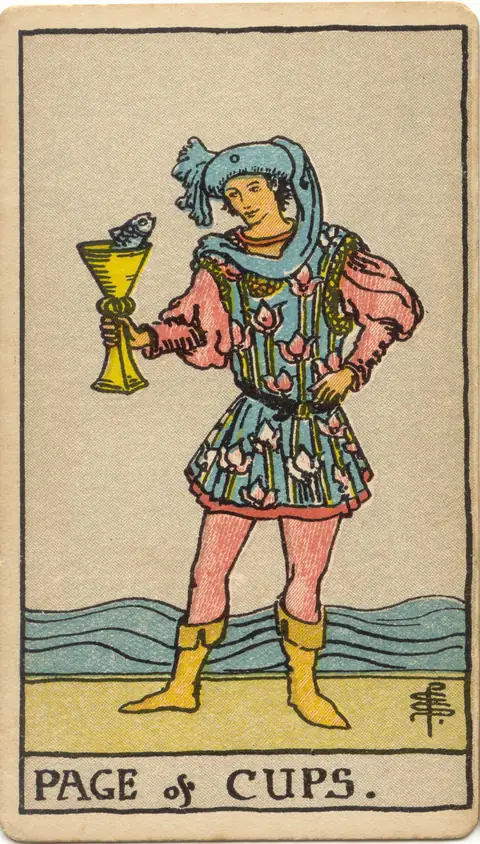
- What helps
- What helps: turning toward what is offered. Advice, a helping hand, material or moral support remind you that you do not have to cross everything alone.Reversed: The support becomes clearer: the help was there, and it gets easier to accept it without seeing it as a failure.
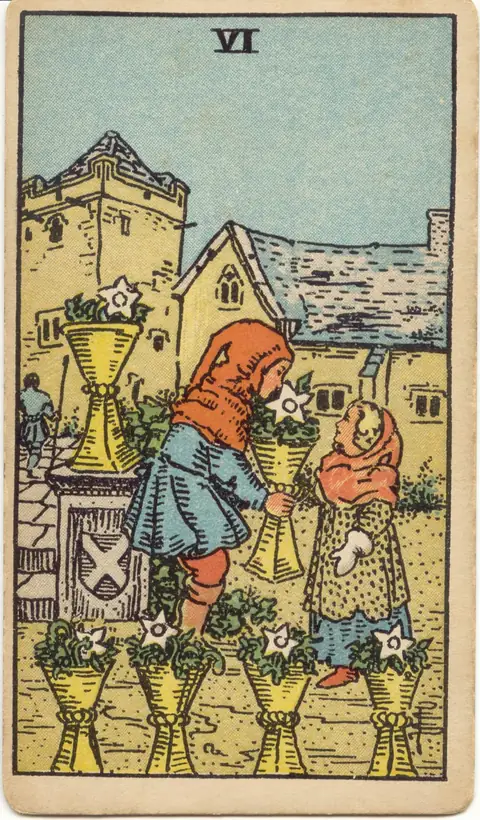
- What holds you back
- What holds you back: the feeling of being left out, and the discomfort of asking for what is missing. Shame or fatigue keep you away from the very thing that could take you in.Reversed: The obstacle gives way little by little: the intensity of the difficulty subsides, and withdrawal is no longer the only option.
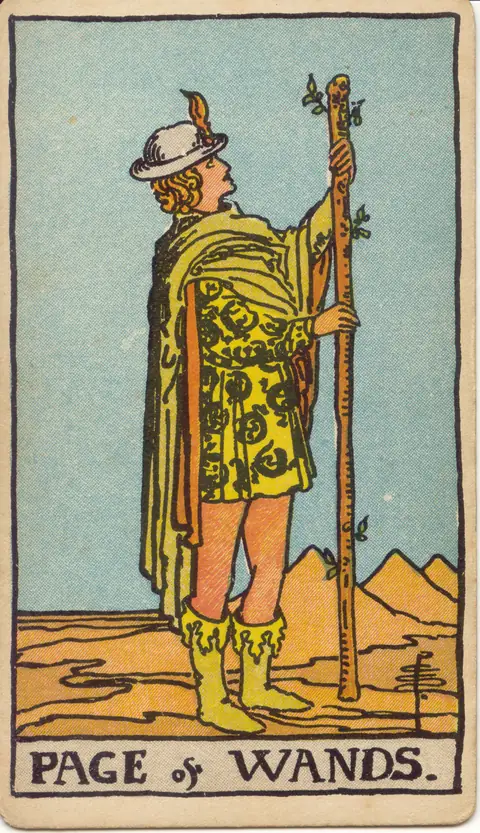
- Your way of being
- A withdrawn way of being, which moves forward without complaint. You carry the difficulty alone, sometimes out of reserve, without seeing that support is close at hand.Reversed: The manner softens: you begin to accept an outstretched hand, to loosen the pride of “I can manage.”
- What connects you
- What connects: a hardship crossed side by side, or the need for support that does not always come spontaneously. The bond is tested in how you ask and how you receive.Reversed: The bond warms: what you did not dare ask for is finally said, and the distance shrinks.
- What is at stake
- Knowing how to ask and knowing how to receive: that is what is at play. The hope is to find shelter, the fear is to remain alone in the face of what is lacking.Reversed: The stake changes face: it is no longer about resisting alone, but about letting support in.
- Where it can lead
- A warmer place could be reached by accepting help. A simple request might be enough to reopen a door that seemed closed.Reversed: The opening is already there: the hard period is easing, and the support refused yesterday could be welcomed.