As a birth card, Judgement describes paths made of turning points marked by an inner call: a job you leave because another path imposes itself, a return to studies at forty, a long-awaited reconciliation.
These people often revisit their story to draw a lesson from it, and do not simply go with the flow. They listen to a need that becomes clearer over time.
In everyday life, this looks like a conversation that changes a direction, a letter written and then sent after years, or a birthday that prompts you to take stock of what matters. Judgement does not demand great upheavals: it invites you to answer what gently insists and what you tend to put off.
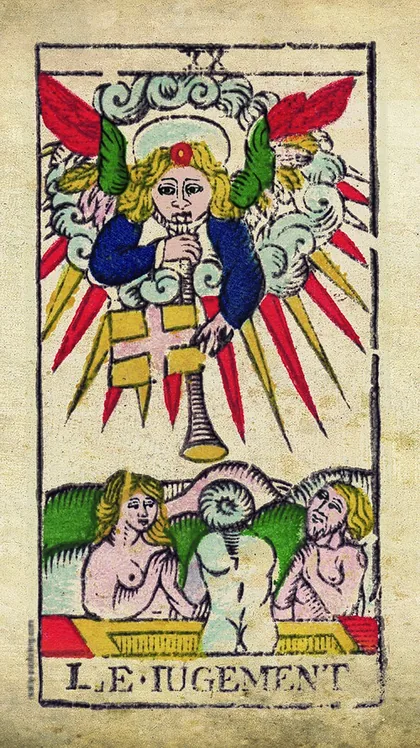
In a sky of clouds, an angel blows a trumpet, a banner hanging from the instrument. Below, three figures rise out of the earth with hands joined, turned toward the sound: a man, a woman, and a third seen from behind. The word “judgement” evokes a courtroom, but the image is an awakening: someone calls, and you rise.
Judgement: strengths and points of attention
Its strengths
An ear attentive to what truly matters, even when those around you suggest something else.
A sense of forgiveness and second chances, for yourself as for others. An aptitude for starting over without bitterness. We add the sincerity of taking stock: acknowledging what served, what served less, without dramatizing. This lucidity also helps those around you, who feel invited to do the same.
What needs attention
Waiting for a clear sign to move, when a first step would suffice.
Confusing the inner call with the urge to flee what simply requires a little patience. It also happens that the call is mistaken for the agitation of the moment. A passing enthusiasm does not make a vocation; letting a few weeks go by before acting helps tell the two apart.
Judgement in love, at work, and with money
In a relationship
Judgement likes to take stock as a pair: talking again about an old misunderstanding, reviewing plans together, starting over on new foundations when that makes sense.
This sincerity makes the bond grow. The trap would be to reopen the file on the past again and again, when the other simply wants to turn the page.
At work
Reviews, evaluations, and taking over files suit it well: this figure knows how to draw the lessons of a project and redirect a team.
It is also recognized in well-considered career changes, when a job chosen late becomes a fully embraced vocation. A clear purpose matters more to it than a comfortable routine.
With money
At least once a year, this figure takes stock of its finances and adjusts: a contract to renegotiate, an expense to cut, savings to redirect toward what matters.
It also knows how to turn the page on a money mistake without blaming itself for years.
Portraits to recognize yourself in, not forecasts: the birth card says nothing about what will come.
Judgement: advice, number, and traditions
With Judgement: something to try this week
Reread an old decision without judging it, keep what it taught you, then share the call of the moment with a close friend before deciding.
Card 20 and the number 2
A birth card 20 reduces to 2.
The 2 brings listening and connection: Judgement hears the call, then seeks agreement with those close to you. The reading comes close to life path number 2. The 2 adds the idea that the call continues in relationship: a friend’s advice, a dialogue with a partner, a decision made together. Judgement is not lived in isolation.
Your talent is to see the whole: the old causes of a problem, its likely consequences, and everyone’s place in the system. It shows when you anticipate a crisis three months before the others, when you put an association in difficulty back in order, when a family at odds comes together around a project you proposed. It applies in business strategy, support through reorganizations, genealogy and family constellations, local politics, lecturing, and teaching. To develop it, write your forecasts in a notebook and reread them six months later, and volunteer to speak in public whenever an occasion comes up.
Your birth cards, according to tradition
In the reading of birth cards, which began with Angeles Arrien and was taken up by Mary K. Greer, Judgement occupies the place of personality, the High Priestess (II) that of the soul.
Their meeting speaks for itself: the call of the trumpet finds its answer in the open book, the silent listening that comes before the decision.
Judgement in two decks
In the Conver edition (1760), card XX shows an angel blowing a trumpet above figures who rise.
The Rider-Waite (1909) titles it “Judgement”: a banner with a cross hangs from the trumpet, and the figures, painted in gray, stand upright on the water.
Day + month + year, reduced while the total is above 22 → 20.
The 20 comes up for births up to 1989, so for many people born before 1990. Nothing requires seeing a destiny in it, only a theme for reading.
Is this really your birth card?
Your two birth cards
Personality cardXX · Judgement
Soul cardII · The High Priestess
2 + 0 = 2
A tradition passed on by Angeles Arrien and popularized by Mary K. Greer, an American author of books on tarot.
Frequently asked questions about Judgement
What does tarot birth card 20 mean?
Card 20 is Judgement: an angel blows a trumpet, figures rise. It speaks of an inner call, of the need to take stock and set off again. The word “judgement” comes from the idea of taking stock, not of condemnation.
Which birth date gives birth card 20?
For birth card 20, the sum day + month + year must reduce to 20: 5 + 8 + 1978 = 1991 → 20 is an example. This result appears for births through 1989, then not again before 2056 with this method of calculation.
Birth card 20 and life path number: what is the link?
Reduced, 20 gives 2. Life path number 2 combines listening and a sense of agreement; Judgement connects to it through sensitivity to a call, often voiced by those close to you or by an encounter. It is not the same calculation, but the two themes answer each other.
Is Judgement a verdict on my life?
No. The card evokes an awakening and a renewal, not a courtroom. The name comes from a religious tradition, whereas the reading offered here focuses on the image: something calls you, and the question is what to do with that call.
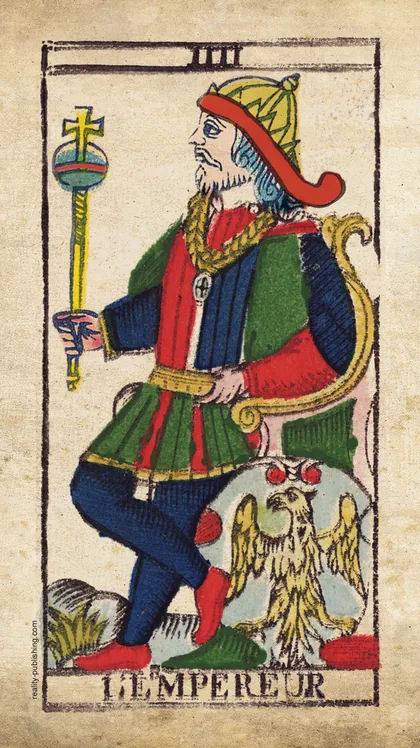
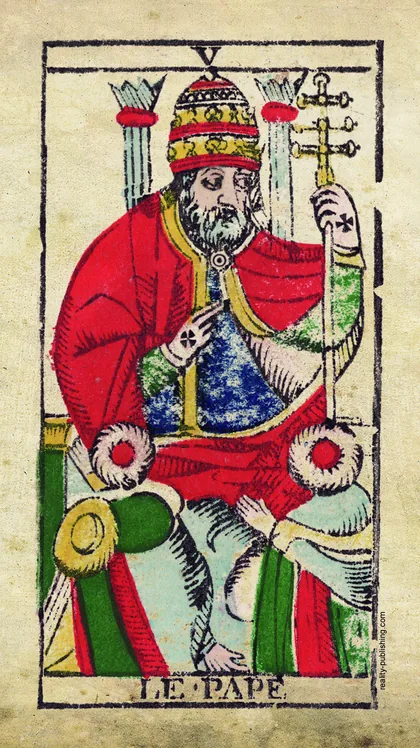
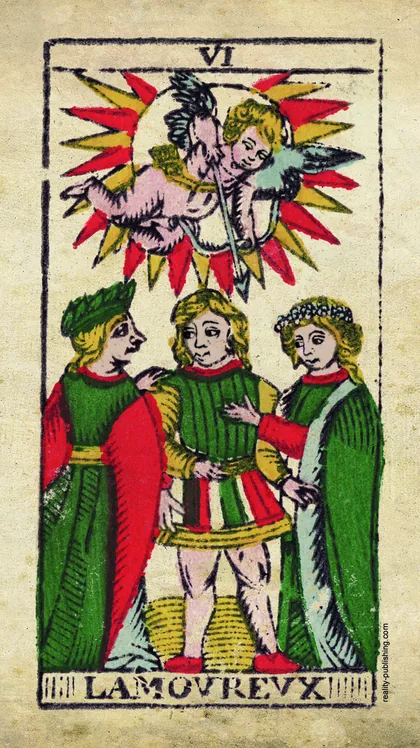
Illustrations: Nicolas Conver’s Tarot de Marseille, dated 1760, restored by Tarot World Project, CC BY-SA 4.0 license, via Wikimedia Commons — images resized and compressed by Versana.