Skip to content
Tool · 3,003 pairs

Tarot card combinations: reading a pair

Pairing two cards sheds light on a relationship: how they answer, nuance, or contradict each other, with no verdict.

By Thomas Guilhot · updated

Choose two cards

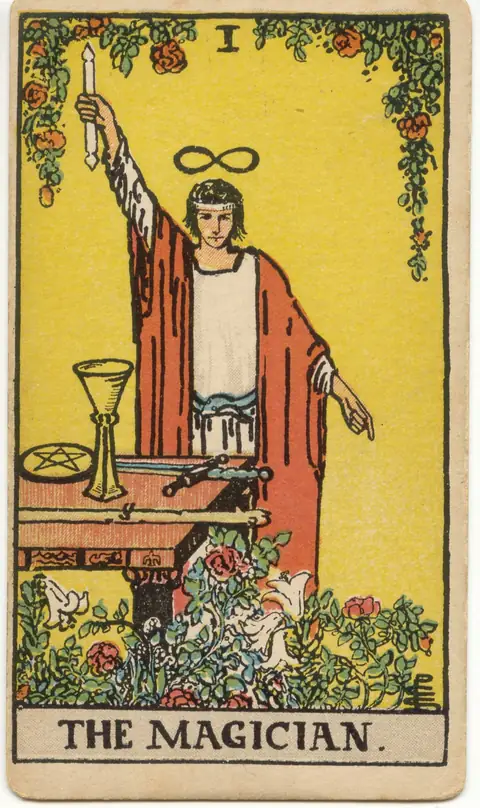
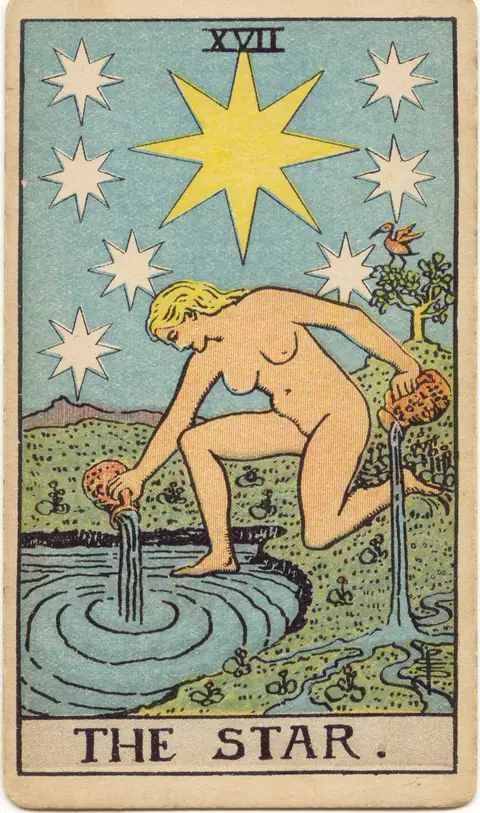
The Magician and The Star: the reading

In one sentence

With the Magician and the Star, two Major Arcana meet: read first the theme they share, and look for the details in the other cards.

Type
Two Major Arcana
Elements
No element assigned
Number of the pair
1 + 8 = 9

Support

The two cards support each other: what one says, the other extends in the same direction. The Magician offers a starting gesture: making a first attempt, even an imperfect one, is enough to set a situation in motion. A calm confidence, nourished by small signs and regular gestures rather than spectacular bursts.

Caution

A too-perfect agreement can lull attention: keep an eye on what does not appear. Next to a card of momentum, the Magician can scatter energy into a thousand beginnings with no follow-through. Make sure hope does not remain a mere wish: without a concrete gesture, it ends up wearing out.

Path

Look, elsewhere in the spread or in the situation, for the nuance this pair does not give. Choose a single beginning and carry it forward for a few days before opening a second one. Choose one specific hope and devote a small regular step to it, rather than waiting for a big sign.

By area of life

Wide gap between numbers (1 and 17): the entry and the exit of a cycle. Sum of the numbers: 1 + 8 = 9.

What each rule says

  • Wide gap between numbers (1 and 17): the entry and the exit of a cycle.
  • Sum of the numbers: 1 + 8 = 9.
  • Shared tone: momentum. Both cards speak in the same register, which strengthens it.
Question 1

What nuance would you add to what these two cards say?

Question 2

What, in this situation, is already going in the same direction?

How this result is calculated

Rules applied to this pair (key maj-01+maj-17, tone dynamic: appui).

Rider-Waite: drawings by Pamela Colman Smith, 1909, public domain, via Wikimedia Commons. Images resized and compressed by Versana; Marseille Minor Arcana diagrams and card back drawn by Versana.

The rules

Six families of rules

Each reading is calculated from displayed rules, drawn from widespread reading methods; the tone is specific to Versana.

  1. Type

    Major, minor, or court card: underlying theme, manner, concrete situation.

  2. Elements

    That feed each other (fire-air, water-earth), that are in tension (fire-water, air-earth).

  3. Numbers

    Same number, neighboring numbers, wide gap, and the number of the pair, linked to numerology.

  4. Suits

    Same suit: one concentrated area; two suits: two registers.

  5. Sequence

    Two consecutive cards: one stage and the next.

  6. Tones

    Momentum, stability, questioning, transition, withdrawal: support, relay, or friction.

Share the tool: the link leads to the page, without anything you entered.

The method, step by step

Two cards side by side are read through their common points and their gaps, never through a verdict on how well they get along.

Frequently asked questions about card combinations

How do you read two cards together?

First look at each image on its own, then let them answer each other: one gesture extending the other, a contrast, a shared color. One card can nuance the other or give it a foothold. The reading crosses their ideas, with no mechanical addition.

Why is no pair “bad”?

Because a card is never worth much alone: its meaning sharpens in contact with another, depending on the question and the position. A pair that seems tense can open a useful reflection; a gentle pair can invite you to check what you are avoiding.

Where do the rules come from?

They come first from the images: shapes, gestures, numbers, elements shared from one card to the other. Correspondences from tradition are added, reported as such. They are reading landmarks, not laws, which your own eye can complete.

Is it a rule or a tradition?

The landmarks of nature, numbers, and suits come from the deck itself. Element correspondences belong to tradition, and sources differ: only one pair of oppositions, fire against water and air against earth, could be verified. The rest is a reading convention chosen by Versana.

How do you apply it in a spread?

First note the nature of the pair, then the element and tone of each card. Then read the support, the caution, and the lead offered, and keep the question that speaks to you. In a spread, neighboring pairs are read the same way, each with its own rules.