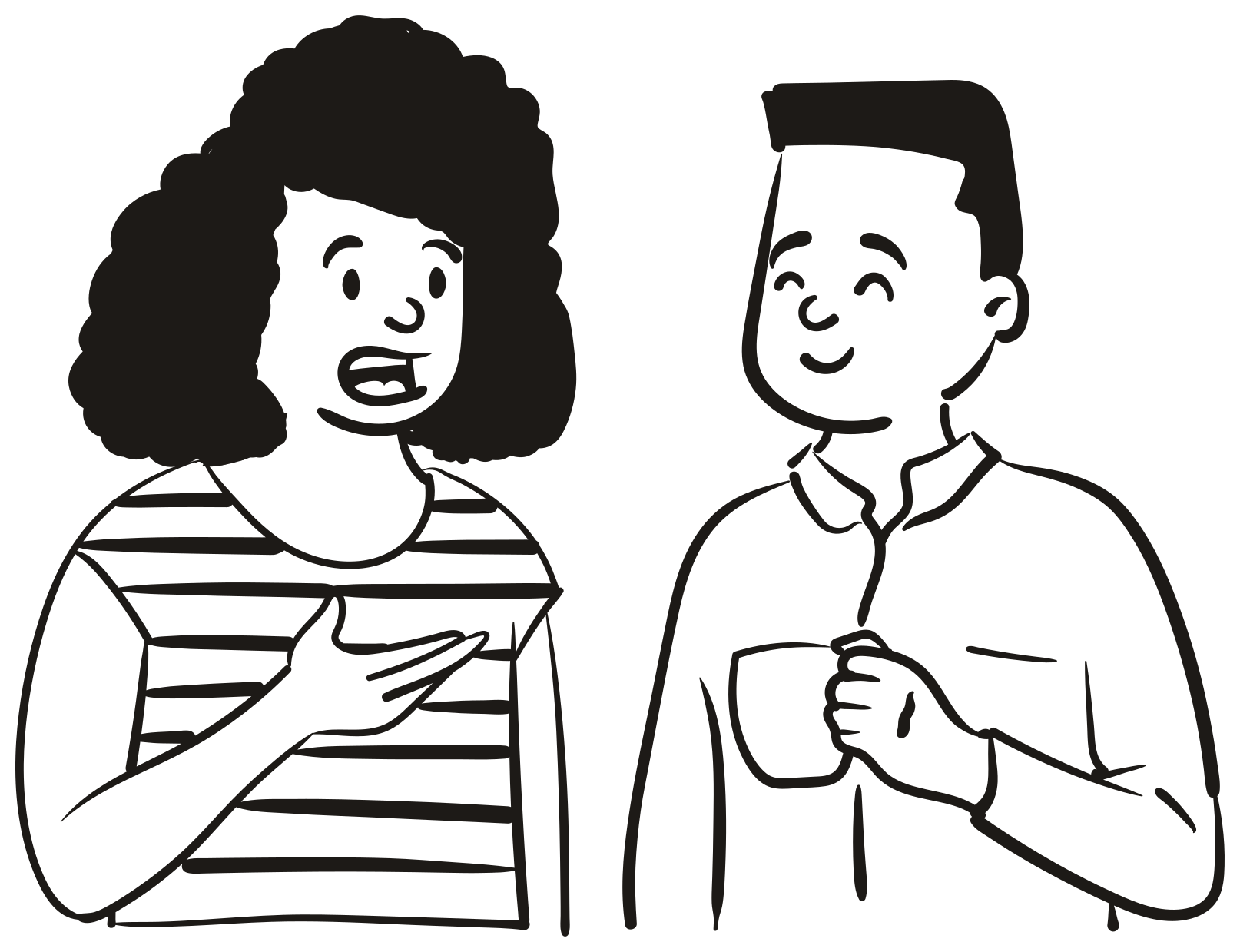
The digits first: 2, 3, 3, 2. At the edges, the 2, which listens and cooperates; in the center, the doubled 3, which tells and shares. The hour looks like an evening conversation, in which you listen, then open up, before listening again.
The halves, 23 and 32, are each worth 5, the number of change and of longing for elsewhere. These two 5s answer each other, like those ideas that keep you from sleeping.
The total, for its part, passes through 10 before coming back to 1. At the end of the day, the calculation lands on the number of beginnings, the one that decides and sets off. You can read a transition in it: the day’s exchanges, listened to and shared, turn into a personal decision for tomorrow.
14:41 arrives at the same total with different digits, the 1 and the 4. Where it starts from a work framework, 23:32 starts from relationships and words: its question is less about organization than about what you want to say, or decide, by yourself.